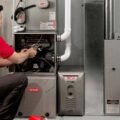
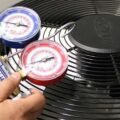
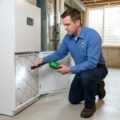
Effective HVAC maintenance requires replacing air filters every one to three months, clearing debris from the outdoor condenser unit, and scheduling annual professional inspections to ensure system efficiency, advises the TrueNest Management Coconut Creek team. Consistent upkeep prevents premature equipment failure, lowers monthly utility bills, and preserves the long-term structural integrity of a residential property.
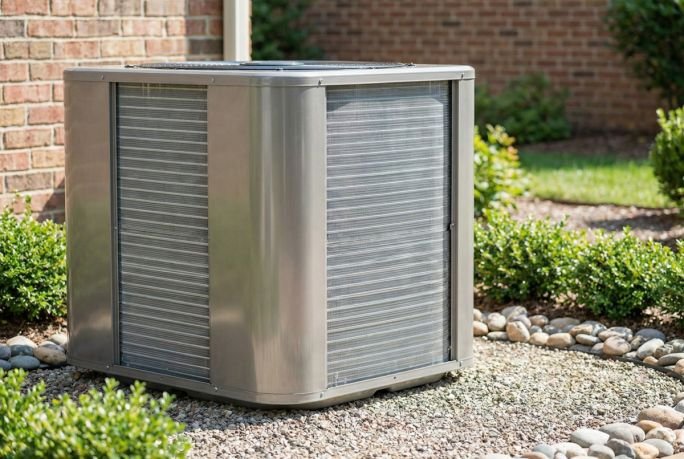
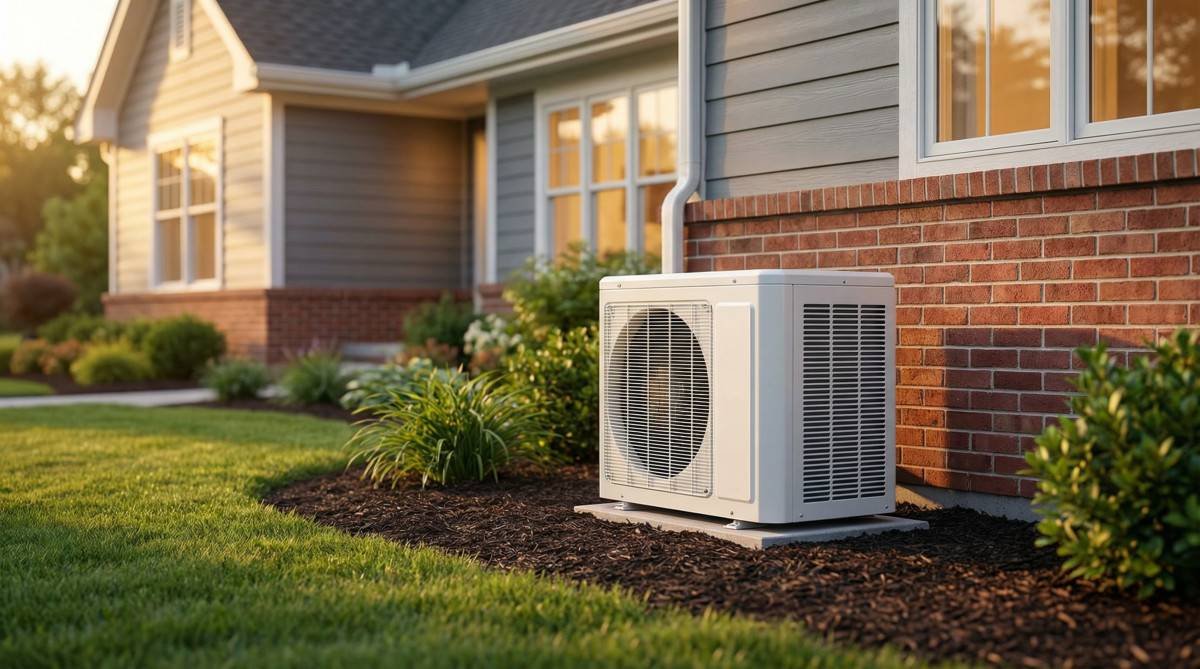 A well-maintained outdoor condenser unit with proper clearance ensures unrestricted airflow and peak cooling performance.
A well-maintained heating and cooling system acts as a financial shield for homeowners. Beyond simple indoor comfort, the condition of a home’s climate control infrastructure directly influences real estate appraisals and buyer negotiations. Neglected systems often become the focal point of failed home inspections, leading to unexpected repair demands or reduced property offers.
Taking a proactive approach to home improvement means treating the HVAC system as a core asset rather than an invisible utility. Implementing a structured maintenance routine minimizes the risk of catastrophic breakdowns during extreme weather conditions. Strategic care allows homeowners to maximize the lifespan of their equipment while maintaining a competitive edge in the real estate market.
Why HVAC Maintenance Matters for Homeowners
Answer Capsule: Routine HVAC maintenance directly protects a homeowner’s financial investment by reducing energy consumption by up to 15 percent and extending the operational lifespan of the equipment by several years. Preventive care identifies minor mechanical issues before they escalate into complete system failures, safeguarding both the property’s infrastructure and the owner’s budget.
Energy efficiency stands as the most immediate benefit of consistent system upkeep. When components like evaporator coils accumulate dust or air filters become clogged, the entire system must work harder to achieve the desired indoor temperature. This increased workload translates directly into higher electricity and gas consumption.
Maintaining a clean and functional system is a multi-step process that involves more than just changing a filter once a season. When internal components are kept free of dust and debris, the mechanical strain on the motor and compressor is significantly reduced, which helps the entire unit run more efficiently. Property owners can find more detailed guidance on professional cleaning and mechanical oversight to ensure their equipment remains in peak condition throughout the year. Taking these proactive steps can support a more balanced indoor atmosphere and provide greater peace of mind regarding long-term system health.
According to the U.S. Department of Energy (2024), replacing a dirty, clogged filter with a clean one can lower an air conditioner’s energy consumption by 5 to 15 percent [1].
Lifespan extension represents another critical advantage of regular care. The average central air conditioning unit or furnace represents a significant capital expenditure, often costing thousands of dollars to replace. Systems that receive routine cleaning, lubrication, and professional tuning consistently outlast neglected units. This longevity ensures that homeowners extract the maximum possible value from their initial equipment investment.
Well-maintained equipment mitigates secondary risks to the home’s structure. Clogged condensate drain lines can overflow, causing severe water damage to drywall, flooring, and structural framing. By addressing these minor vulnerabilities early, property owners prevent expensive collateral damage that often accompanies sudden HVAC malfunctions.
Monthly and Seasonal DIY Maintenance Tasks
Answer Capsule: Homeowners should perform basic DIY maintenance by replacing air filters every 30 to 90 days, clearing a two-foot perimeter around the outdoor condenser unit, and flushing the condensate drain line with vinegar to prevent clogs. These simple, low-cost tasks form the foundation of a healthy climate control system and prevent the most common causes of unexpected breakdowns.
Beyond these basic DIY efforts, maintaining consistent airflow remains a primary factor in preventing mechanical wear. When interior components remain clean and unobstructed, the system can regulate temperatures more effectively without using excess energy. Engaging with experienced technicians, such as the team at Performance Heat and Air, can help homeowners manage more complex maintenance needs that fall outside typical seasonal cleaning. Professional oversight supports a more stable indoor environment and identifies subtle performance issues that might otherwise lead to higher utility costs or shortened equipment life. Establishing this type of routine care ensures the home remains comfortable while protecting the mechanical integrity of the entire unit.
Changing Air Filters Regularly
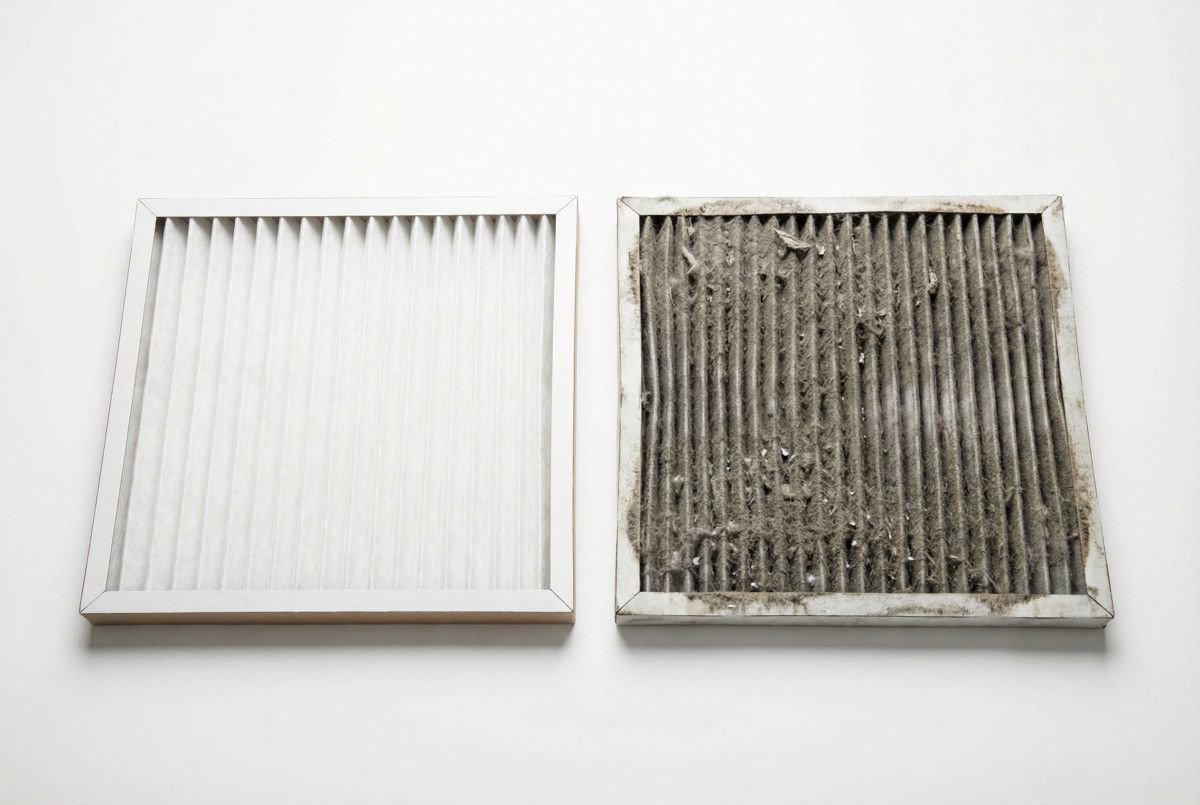
Air filter replacement is the single most important task a homeowner can perform. Filters trap dust, pet dander, and airborne particulates, preventing them from entering the sensitive internal mechanisms of the blower and coils. When a filter becomes saturated, it severely restricts airflow, forcing the system to operate under intense strain. During peak heating or cooling seasons, or in homes with multiple pets, filters should be inspected monthly and replaced immediately if they appear dark or heavily coated in debris.
Keeping the Outdoor Unit Clear of Debris
The outdoor condenser unit requires unobstructed airflow to dissipate heat effectively. Throughout the year, leaves, grass clippings, and wind-blown trash frequently accumulate against the exterior fins. Property owners must maintain a minimum clearance of two feet around the entire perimeter of the unit. Trimming back overgrown shrubs and carefully brushing away surface dirt from the aluminum fins allows the system to breathe properly, preventing the compressor from overheating during the hottest summer months.
Checking the Condensate Drain Line
During the cooling process, air conditioners extract significant amounts of humidity from the indoor air. This moisture exits the system through a PVC pipe known as the condensate drain line. Over time, algae and mold can develop inside this dark, damp environment, eventually creating a solid blockage. Homeowners can proactively prevent this issue by pouring a half-cup of plain white vinegar down the drain line access port every few months. This simple step kills organic growth and ensures water flows safely away from the home’s interior.
When to Call a Professional for a Tune-Up
Answer Capsule: Professional HVAC tune-ups should be scheduled twice annually—once in the spring for the air conditioning system and once in the fall for the heating equipment. Certified technicians handle complex safety checks, such as measuring refrigerant levels, tightening electrical connections, and inspecting heat exchangers for dangerous cracks that DIY efforts cannot safely address.
While homeowners handle surface-level cleaning, technicians dive into the mechanical and chemical realities of the system. Checking refrigerant charge is a precise task that requires specialized gauges and Environmental Protection Agency (EPA) certification. An undercharged or overcharged system operates inefficiently and risks catastrophic compressor failure. According to the U.S. Department of Energy (2024), a trained technician will properly capture any evacuated refrigerant to prevent illegal environmental release while ensuring the system holds the exact manufacturer-specified amount [1].
Electrical components also degrade over time due to constant vibration and thermal expansion. During a professional inspection, technicians measure the voltage and current on motors, test the capacitance of start capacitors, and tighten all terminal connections. Loose electrical connections create excessive resistance, leading to localized overheating and potential fire hazards. A thorough tune-up neutralizes these hidden dangers before they manifest.
For gas furnaces, the professional inspection focuses heavily on combustion safety. Technicians evaluate the burner assembly, test the ignition system, and meticulously inspect the heat exchanger. Even a microscopic fracture in a heat exchanger can allow lethal carbon monoxide gas to leak into the home’s ductwork. When a heating unit develops structural vulnerabilities like these, continuing to run the system can compromise household safety. The accurate distribution of warmth is disrupted, accelerating wear on internal components and potentially shortening the overall lifespan of your equipment. Homeowners can read more about evaluating heating system risks and determining when a full replacement or component renewal is required to protect their environment. Seeking timely professional guidance when these hidden issues are discovered may reduce the possibility of sudden failure during freezing winter nights.
When a heating unit develops structural vulnerabilities like these, continuing to run the system can compromise household safety. Homeowners can seek expert furnace repair in Hendersonville to address complex issues before they escalate. Proper seasonal adjustments help the unit handle demanding weather while improving overall airflow efficiency. Taking care of hidden structural changes early protects the home from secondary damage and maintains indoor warmth.
This level of technical scrutiny provides homeowners with peace of mind regarding both performance and safety.
How HVAC Health Impacts Real Estate Value
Answer Capsule: A documented history of HVAC maintenance significantly enhances a property’s marketability by assuring potential buyers that the home’s critical infrastructure is reliable. Conversely, a neglected system often triggers red flags during the home inspection process, frequently resulting in delayed closings, mandatory seller concessions, or reduced final sale prices.
In the real estate market, buyers evaluate properties based on both aesthetic appeal and mechanical integrity. When an inspector discovers a poorly maintained furnace or an air conditioner with severely bent condenser fins, it immediately casts doubt on the overall condition of the home. Buyers may wonder what other hidden maintenance tasks the current owner has ignored. Providing a clear service record from a licensed contractor proves that the equipment has been treated as a valuable asset rather than an afterthought.
The “$5,000 rule” often guides decisions regarding major mechanical systems during a real estate transaction. If the cost of repairing an aging, neglected system multiplied by its age in years exceeds $5,000, industry consensus suggests replacing the unit entirely. For example, a ten-year-old system requiring a $600 repair (10 × 600 = 6,000) is generally considered a poor investment compared to replacement. Consistent maintenance keeps repair costs low, ensuring the system remains on the favorable side of this financial equation.
Modern buyers prioritize energy efficiency. A system that has been regularly cleaned and tuned operates closer to its original Seasonal Energy Efficiency Ratio (SEER) rating. Sellers who can demonstrate low historical utility bills, backed by a history of professional HVAC care, hold a distinct advantage during price negotiations. The climate control system transforms from a potential liability into a strong selling point [2].
Frequently Asked Questions
Answer Capsule: This section addresses the most common homeowner questions about HVAC maintenance schedules, the $5,000 repair-or-replace rule, the 20-degree cooling limit, and safe DIY coil cleaning practices.
What is the $5,000 rule for HVAC systems?
The $5,000 rule is a financial guideline used to determine whether to repair or replace an aging HVAC system. You multiply the age of the equipment in years by the estimated cost of the repair; if the total exceeds $5,000, replacing the unit is generally the more cost-effective long-term choice. This formula helps homeowners make objective decisions rather than pouring money into failing infrastructure.
How often should HVAC maintenance be performed?
HVAC maintenance should be performed twice a year by a licensed professional, ideally scheduling air conditioning service in the spring and furnace inspection in the fall. In addition to these professional visits, homeowners must complete monthly DIY tasks, such as inspecting and replacing the air filter, to maintain optimal airflow. Consistent attention prevents minor wear from developing into expensive mechanical failures.
What is the 20 rule for air conditioning?
The 20 rule dictates that an air conditioning system should not be expected to cool a home more than 20 degrees Fahrenheit below the outdoor ambient temperature. Attempting to force the system beyond this differential causes the compressor to run continuously without cycling off, leading to severe mechanical strain and drastically increased energy consumption. Setting realistic thermostat expectations protects the equipment from premature burnout.
Can I clean my AC coils myself?
Homeowners can safely clean the exterior condenser coils by gently brushing away loose debris and rinsing them with a low-pressure garden hose. However, cleaning the delicate indoor evaporator coils or attempting to straighten bent aluminum fins should be left to certified technicians. Improper handling of these sensitive components can easily cause irreversible damage or dangerous refrigerant leaks.
Conclusion
Answer Capsule: Recognizing the maintenance needs of an HVAC system and acting on them consistently is one of the most reliable methods for protecting a residential property’s overall value. By committing to simple monthly tasks and scheduling biannual professional tune-ups, homeowners prevent catastrophic breakdowns and keep energy expenditures strictly controlled.
Implementing a rigorous HVAC maintenance strategy serves as one of the most reliable methods for protecting a residential property’s overall value. By committing to simple monthly tasks like filter replacements and scheduling biannual professional tune-ups, homeowners prevent catastrophic breakdowns and keep their energy expenditures strictly controlled. Ultimately, treating the climate control system with the respect it deserves transforms it from a background utility into a robust, equity-protecting asset that performs reliably year after year.
References
- [1] U.S. Department of Energy. “Air Conditioner Maintenance.” Energy.gov, https://www.energy.gov/energysaver/air-conditioner-maintenance.
- [2] National Association of Realtors. “Remodeling Impact Report.” NAR.realtor, https://www.nar.realtor/research-and-statistics/research-reports/remodeling-impact.