Understanding the legal framework governing landlord-tenant rights is crucial for both tenants and property owners to ensure fair treatment and a harmonious living arrangement. This comprehensive guide outlines the fundamental rights and responsibilities inherent in tenancy, covering essential aspects from lease initiation to dispute resolution and the proper handling of security deposits, explains Blue Chip Property Managers specialists.

Establishing a Tenancy: Leases and Applications
The process of initiating a rental agreement involves several key steps, including property inspection, application submission, and the formalization of a lease, each governed by specific regulations designed to protect both parties.
Before entering into a rental agreement, prospective tenants typically undergo an application process. This often includes a rental application, which may involve an application fee. Property owners are permitted to charge a reasonable application fee to cover the costs associated with background checks and tenant screening. For instance, some jurisdictions may cap application fees at a specific amount, such as $50, to prevent excessive charges. Tenant screening practices must comply with fair housing laws, prohibiting discrimination based on protected characteristics.
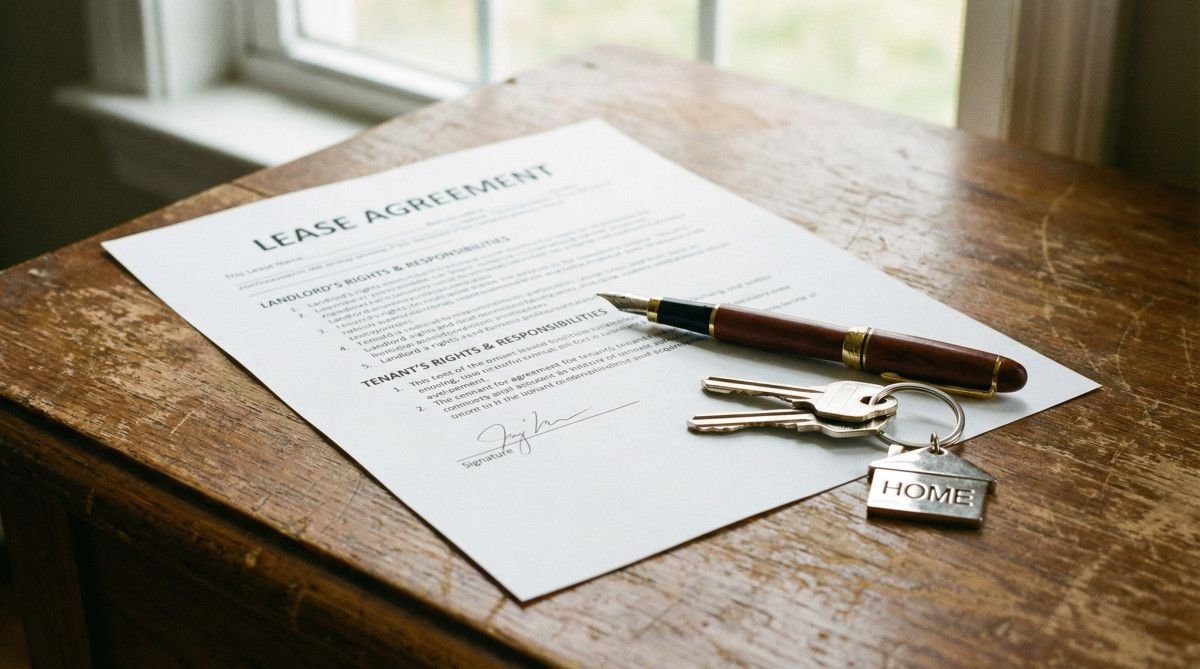
The lease agreement is a legally binding contract outlining the terms and conditions of the tenancy. It should clearly specify the rent amount, due dates, lease duration (e.g., 12-month term), responsibilities for utilities, and rules regarding property maintenance. Tenants should thoroughly review all lease terms before signing, and it is advisable to seek legal counsel if any clauses are unclear or seem unfair. Oral agreements, while sometimes legally recognized, are generally less secure than written leases and can lead to misunderstandings.
Financial Aspects of Renting: Deposits and Payments
Key financial considerations in a rental agreement include security deposits, which serve as protection for property owners, and the timely payment of rent, both of which are subject to specific legal guidelines.
Security deposits are a common requirement for rental properties. Regulations often dictate the maximum amount a property owner can charge for a security deposit, typically equivalent to one or two months’ rent. For example, some state laws limit the security deposit to two months’ rent for the first year and one month’s rent for subsequent years. These funds must often be held in an escrow account, separate from the property owner’s personal funds, and tenants are entitled to interest earned on the deposit in some jurisdictions. Upon termination of the lease, the security deposit must be returned within a specified timeframe, commonly 30 days, minus any deductions for damages beyond normal wear and tear or unpaid rent. Property owners must provide an itemized list of deductions if any portion of the deposit is withheld.
Rent payment is the primary obligation of a tenant. Lease agreements will specify the exact rent amount, the due date (e.g., the first of each month), and any grace periods or late fees. Late fees are generally capped at a reasonable percentage of the monthly rent, such as 5%. Property owners must provide proper notice before increasing rent, typically 30 to 60 days, depending on the lease type and local regulations.
| Aspect | Tenant Rights | Property Owner Responsibilities |
|---|---|---|
| Security Deposit | Return within 30 days, itemized deductions | Hold in escrow, return with interest (if applicable) |
| Rent Payment | Clear due dates, reasonable late fees | Provide proper notice for increases |
| Lease Terms | Review and understand all clauses | Provide clear, legally compliant agreement |
Maintaining Your Residence: Repairs and Conditions
Tenants have a right to a habitable living environment, and property owners are obligated to maintain the property, with specific procedures for requesting and addressing necessary repairs.
Property owners are generally responsible for ensuring the rental unit is safe and habitable. This includes maintaining structural integrity, providing essential utilities like heat and water, and addressing issues that affect health and safety. Tenants are responsible for keeping the premises clean and using appliances and fixtures properly. When repairs are needed, tenants should notify the property owner in writing, detailing the issue and requesting a timely resolution. If a property owner fails to make necessary repairs after reasonable notice (e.g., 10-30 days, depending on the severity and local laws), tenants may have options such as withholding rent and placing it in an escrow account, or in some cases, making repairs and deducting the cost from rent, though these actions must strictly adhere to legal guidelines to avoid eviction.
Addressing Disputes: Eviction and Resolution
Disputes between tenants and property owners, particularly concerning eviction, are subject to strict legal procedures that must be followed to protect the rights of all parties involved.
Eviction is a legal process by which a property owner removes a tenant from a rental property. It can only occur under specific circumstances, such as non-payment of rent, violation of lease terms, or expiration of the lease. Property owners must provide tenants with proper notice before initiating eviction proceedings. The type and duration of notice vary by jurisdiction and reason for eviction; for example, a “Notice to Quit” for non-payment of rent might be 10 days, while for lease violations, it could be 30 days. Tenants have the right to respond to an eviction notice and present their case in court. Illegal evictions, such as changing locks or shutting off utilities without a court order, are strictly prohibited and can result in significant penalties for the property owner.
Mediation and negotiation can often resolve disputes without resorting to formal legal action. Many communities offer tenant-landlord mediation services to help parties reach mutually agreeable solutions. If a resolution cannot be reached, legal assistance is available through various organizations and private attorneys.
| Dispute Type | Tenant Action | Property Owner Action |
|---|---|---|
| Unpaid Rent | Pay outstanding balance or negotiate payment plan | Issue “Notice to Quit,” initiate legal eviction if unresolved |
| Lease Violation | Cure violation or dispute claim | Issue notice to cure or quit, initiate legal eviction if unresolved |
| Repair Neglect | Provide written notice, consider escrow or repair-and-deduct (with legal guidance) | Address repairs promptly after notification |
Fair Housing and Protections
Fair housing laws prohibit discrimination in rental practices, ensuring equal access to housing opportunities for all individuals, with specific protections against various forms of bias.
The Fair Housing Act, a federal law, prohibits discrimination in housing based on race, color, national origin, religion, sex (including gender identity and sexual orientation), familial status, and disability. Many states and localities have additional protected characteristics, such as age, ancestry, or source of income. Property owners and landlords cannot refuse to rent, set different terms, or provide different services based on these protected characteristics. Tenants who believe they have experienced housing discrimination can file a complaint with the U.S. Department of Housing and Urban Development (HUD) or a local fair housing agency. These agencies investigate complaints and can take action against discriminatory practices, including imposing fines and requiring compensatory damages.
Seeking Assistance: Resources for Support
Numerous resources are available to assist both tenants and property owners in understanding their rights and responsibilities, resolving disputes, and accessing legal or financial aid.
For tenants facing issues, legal aid organizations, tenant unions, and housing counseling agencies offer valuable support, including legal advice, mediation services, and information on tenant rights. Government agencies, such as the Attorney General’s Office and local housing authorities, also provide resources and avenues for filing complaints. For example, the Pennsylvania Attorney General’s Office offers a Consumer Guide to Tenant and Landlord Rights, detailing state-specific regulations. Property owners can also benefit from resources provided by landlord associations, which offer guidance on legal compliance, property management most appropriate practices, and dispute resolution.
Frequently Asked Questions
What are the fundamental tenant protections?
Tenants are protected by laws ensuring habitable living conditions, privacy, and protection against unlawful eviction or discrimination.
What are the regulations for security deposits?
Security deposits are typically limited to one or two months’ rent and must be returned within a set period, often 30 days, with itemized deductions.
How can tenants address repair issues?
Tenants should notify property owners in writing about needed repairs and may have options like escrowing rent if issues are not resolved promptly.
What is the process for lawful eviction?
Lawful eviction requires property owners to provide proper notice and follow court procedures, prohibiting self-help evictions like changing locks.
Where can individuals find support for rental disputes?
Support for rental disputes is available through legal aid, tenant unions, housing counseling agencies, and government consumer protection offices.
Conclusion: Empowering Renters and Property Owners
A clear understanding of rental laws and responsibilities fosters positive tenant-property owner relationships and ensures that housing agreements are fair, transparent, and legally compliant for all parties.
Navigating the complexities of rental agreements requires both tenants and property owners to be well-informed about their respective rights and obligations. From the initial lease signing to the resolution of potential disputes, adherence to established legal frameworks ensures a balanced and equitable housing experience. By utilizing available resources and maintaining open communication, both parties can contribute to a stable and respectful tenancy, ultimately promoting housing stability and fairness within communities.