For most homeowners, the sewer line is a classic case of “out of sight, out of mind”—until it isn’t. When a sewer line fails, it doesn’t just cause a minor inconvenience; it can lead to catastrophic backups, extensive property damage, and thousands of dollars in emergency repairs, caution Rentfy Property Management professionals. Because these pipes are buried deep underground, standard home inspections often miss the early warning signs of trouble. This is where a professional sewer line inspection becomes an essential tool for any homeowner or potential buyer. In this comprehensive guide, we will explore the latest innovations in sewer scope technology, from high-definition video tours to trenchless repair options, and show you how a proactive inspection can save you from a plumbing nightmare.
The Hidden Threat: Why Every Homeowner Needs a Sewer Line Inspection
Answer Capsule: A sewer line inspection is a non-invasive video check of your home’s underground sewer pipes, designed to identify cracks, blockages, and root intrusion before they cause catastrophic backups. By providing a clear view of the pipe’s interior, an inspection allows for precise diagnosis and targeted repairs, protecting your home’s foundation and your family’s health.
The importance of a sewer line inspection cannot be overstated, especially for those buying an older home. While a standard home inspection looks at the roof, foundation, and visible plumbing, it does not cover the underground sewer line that runs from your house to the municipal main or septic tank. For homeowners not connected to a municipal system, maintaining the health of an onsite setup is just as vital for property value and environmental safety. While sewer cameras provide clarity for pipes, a specialized septic tank inspection service for residential properties can evaluate the actual condition of the tank and drainage area. Regular professional checks help identify excessive sludge levels or mechanical failures in pretreatment components before they lead to backups. By staying proactive with these inspections, residents can ensure that household wastewater is treated efficiently and safely, preventing untreated waste from reaching the groundwater or compromising the structural integrity of the home’s yard.
Property owners who prioritize long-term utility upkeep can also secure specialized service endorsements to cover underlying infrastructure damage. When unexpected issues emerge within underground lines or treating elements, having appropriate coverage limits the financial strain of extensive excavation and mechanical failures. To explore proactive protection options for your home’s setup, get in touch with Environmental Septic LLC.
This gap in coverage is a major risk, as fixing a broken sewer line can cost between $5,000 and $10,000 or more. According to the International Association of Certified Home Inspectors (InterNACHI), a sewer scope is one of the most valuable add-on services a home buyer can request during the due diligence period.
For properties operating independently from a city network, these evaluations provide essential context regarding long-term infrastructure health. Investing in proactive septic tank setup services ensures that waste management is handled correctly from the start. Maintaining proper care and scheduling professional check-ups protects your property value while avoiding sudden, costly overflows.
Beyond the financial risk, a failing sewer line poses significant health and environmental threats. Leaking sewage can contaminate local groundwater and create a breeding ground for mold and bacteria within your home’s foundation. It can also lead to soil erosion, which can compromise the structural integrity of your property. By choosing a professional sewer line inspection, you are not just protecting your wallet; you are ensuring the long-term health and safety of your home and community. It is a small upfront investment that provides immense peace of mind and a clear path forward for any necessary repairs.
| Inspection Type | Primary Tool | Best For | Estimated Cost |
|---|---|---|---|
| Sewer Scope | HD Video Camera | Identifying cracks, roots, and blockages | $125 – $500 |
| Hydro-jetting | High-Pressure Water | Clearing debris for a better view | $300 – $600 |
| Trenchless Repair | CIPP / Pipe Bursting | Non-invasive pipe replacement | $5,000 – $15,000 |
1. The Sewer Scope Process: A High-Definition Video Tour
Answer Capsule: A sewer scope inspection uses a flexible, waterproof camera to provide a live video feed of your sewer line’s interior, allowing for precise diagnosis without digging. By incorporating high-definition video and built-in transmitters, these cameras can pinpoint the exact location and severity of any problems.
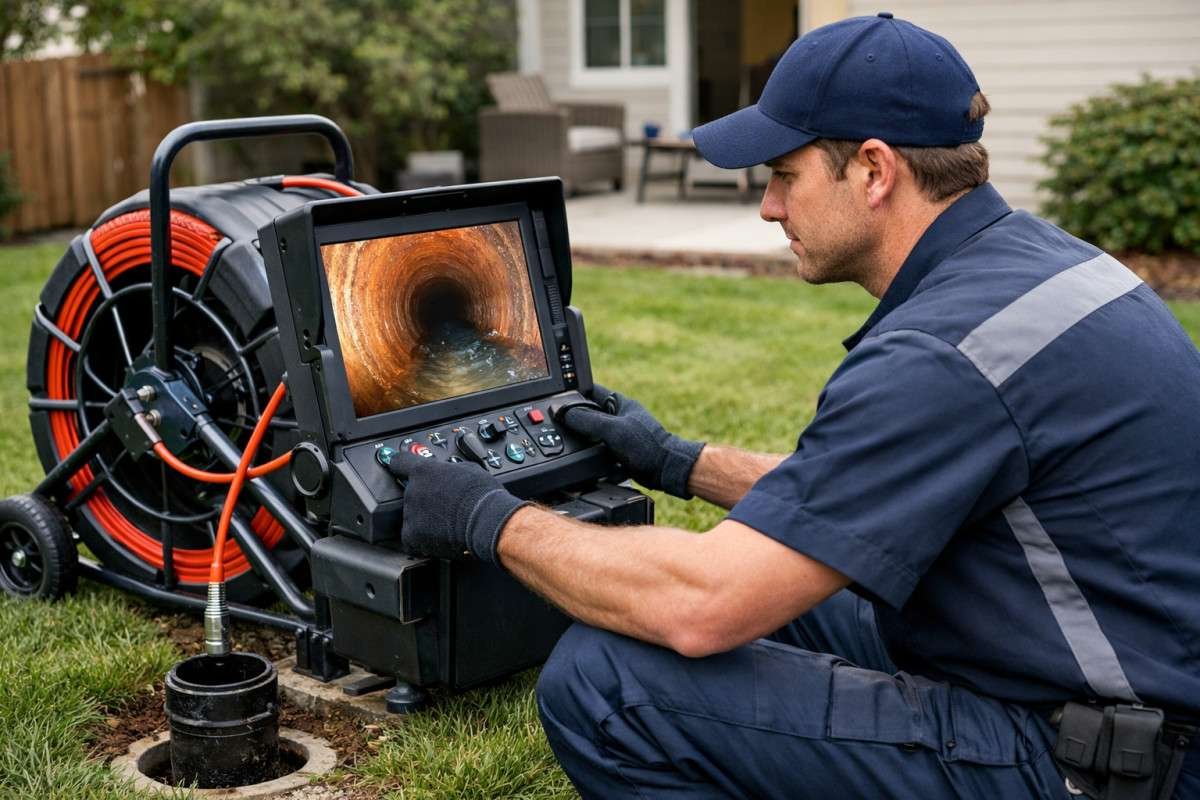
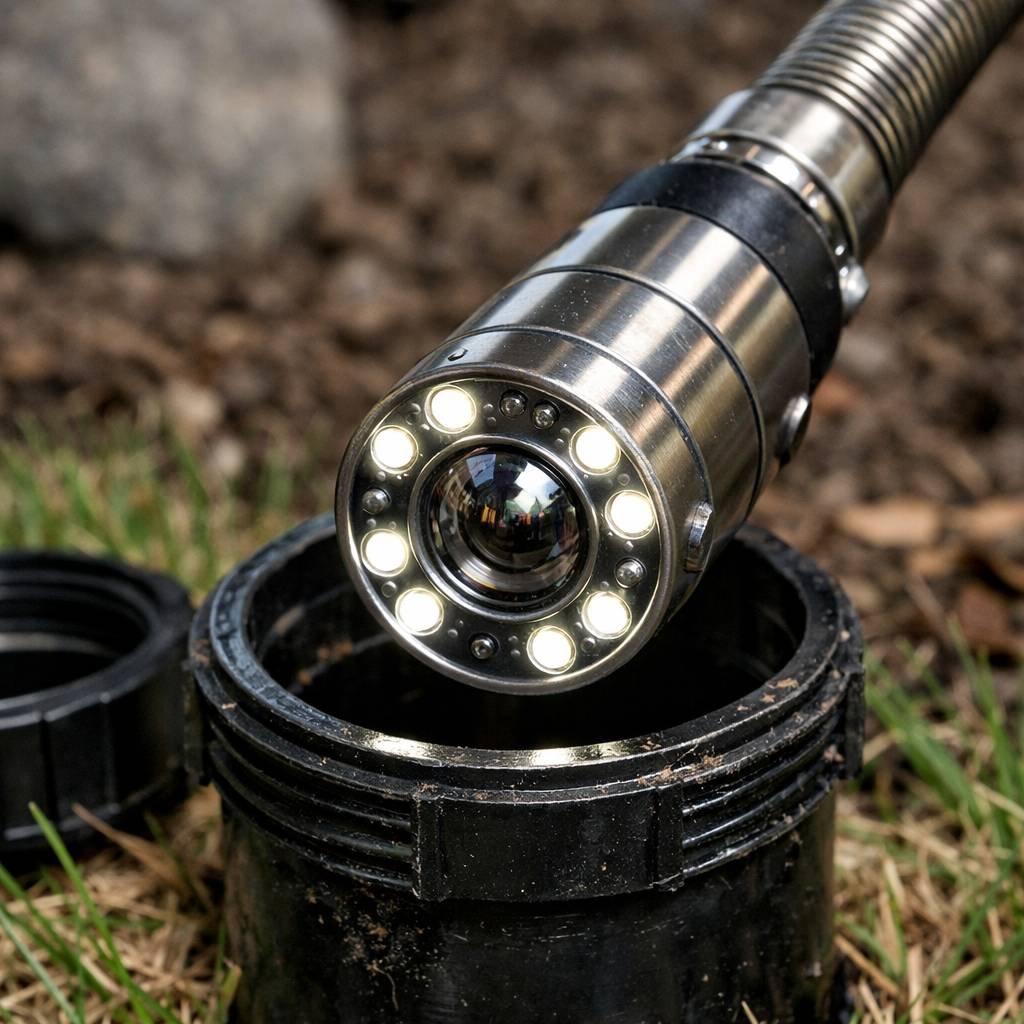
The sewer scope process is surprisingly straightforward and non-invasive. It starts with locating the sewer cleanout, which is a small capped pipe near the foundation of your home or in the yard. If your home doesn’t have an exterior cleanout, the inspector may need to access the line through an interior drain or by removing a toilet. Once the access point is found, the inspector feeds a flexible cable with a high-definition waterproof camera into the pipe. As the camera moves through the system, it sends a live video feed to a monitor, allowing the inspector to see the inside of the pipe in real-time.
A critical but often overlooked component of a high-quality sewer scope is hydro-jetting. This process uses high-pressure water to flush debris and grease from the line, providing a clear view of the pipe’s interior. Without hydro-jetting, the camera may be blocked by buildup, making it difficult to identify small cracks or root intrusion. After the inspection, the inspector will provide a video recording and a written report with recommendations for any necessary repairs. This detailed documentation is essential for any homeowner or potential buyer, as it provides a clear picture of the sewer system’s condition and a roadmap for any future maintenance. According to InterNACHI, a professional sewer scope is one of the most effective ways to identify hidden sewer problems before they become emergencies.
2. Common Sewer Line Materials: A Historical Timeline
Answer Capsule: Understanding the strengths and weaknesses of different sewer pipe materials, from ancient clay to modern PVC, is essential for choosing the right inspection and repair strategy. By incorporating a historical timeline of sewer materials, you can better understand the risks associated with older homes and the benefits of modern plastic pipes.
The material of your sewer line is a major factor in its lifespan and vulnerability to damage. Older homes built before the mid-1980s often have clay sewer pipes, which are brittle and prone to cracking and root intrusion. Cast iron pipes, while more durable, can corrode from the inside out over decades, leading to blockages and leaks. One of the most problematic materials is Orangeburg pipe, which was made from bituminized fiber and was common in homes built between the 1940s and 1970s. These pipes are prone to collapse and are a major risk for any homeowner.
Modern sewer lines are typically made from PVC (Polyvinyl Chloride), which is resistant to corrosion and root intrusion and has a lifespan of 50 to 100 years or more. When choosing a new sewer line, PVC is the gold standard for durability and performance. By understanding the history of sewer materials, you can better assess the risks associated with your home’s plumbing system and make informed decisions about any necessary repairs or replacements. A professional sewer line inspection can identify the material of your pipes and provide a clear picture of their condition, allowing you to plan for any future maintenance or upgrades. According to the American Society of Civil Engineers (ASCE), the average lifespan of a sewer line is 50 to 100 years, depending on the material and environmental conditions.
3. Identifying the Red Flags: When to Call for an Inspection
Answer Capsule: Recognizing the subtle signs of a failing sewer line, including slow drains, gurgling noises, and unusual yard odors, is essential for early diagnosis. By identifying these red flags, you can take a proactive approach to sewer maintenance and prevent expensive backups and structural damage.
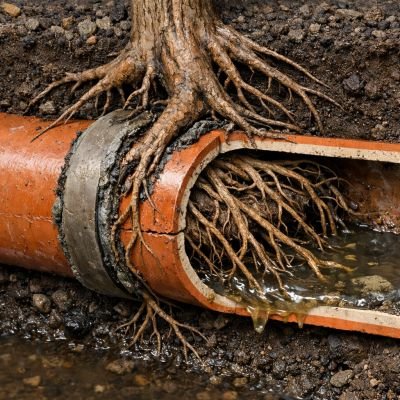
A failing sewer line often gives subtle warning signs before it causes a major backup. One of the most common red flags is slow drains, which can occur in multiple fixtures throughout your home. If you notice that your sinks, tubs, and toilets are all draining slowly, it’s a clear sign of a blockage or structural problem in the main sewer line. Another common sign is gurgling noises coming from your toilets or drains, which can indicate air trapped in the line by a blockage or belly in the pipe.
Unusual yard odors are another major red flag. If you notice a sewage smell in your yard, it’s a clear sign of a leak or break in the underground sewer line. You may also notice lush green patches in your yard, which can be caused by sewage leaking into the soil and acting as a fertilizer. These patches are often unusually green and healthy-looking, especially in dry weather. By identifying these red flags early, you can take a proactive approach to sewer maintenance and prevent expensive backups and structural damage. A professional sewer line inspection can identify the source of these problems and provide a clear picture of the sewer system’s condition, allowing you to plan for any necessary repairs or replacements.
4. From Inspection to Repair: Trenchless Technology
Answer Capsule: A sewer scope inspection leads to non-invasive repair options like CIPP (Cured-In-Place Pipe) and pipe bursting. By incorporating trenchless technology, you can repair or replace your sewer line without the need for extensive digging, protecting your landscaping and driveway.
The traditional method of repairing a sewer line involved digging a deep trench through your yard and driveway, which was both expensive and disruptive. However, modern trenchless technology has revolutionized the process. One of the most popular options is CIPP (Cured-In-Place Pipe), which involves inserting a flexible liner coated with epoxy resin into the existing pipe. The liner is then inflated and cured, creating a seamless, durable “pipe within a pipe” that is resistant to corrosion and root intrusion.
Another trenchless option is pipe bursting, which involves pulling a new HDPE (High-Density Polyethylene) pipe through the old one, breaking the old pipe apart as it goes. This method is ideal for replacing collapsed or severely damaged pipes without the need for extensive excavation. Both CIPP and pipe bursting are much faster and less disruptive than traditional trenching, and they can often be completed in a single day. By choosing trenchless technology, you can protect your landscaping and driveway while ensuring the long-term durability and performance of your sewer line. According to the North American Society for Trenchless Technology (NASTT), trenchless repair is a cost-effective and environmentally friendly alternative to traditional excavation.
5. Protecting Your Investment: Insurance and Maintenance
Answer Capsule: Exploring sewer line insurance endorsements and proactive maintenance strategies to prevent future failures is essential for long-term sewer care. By incorporating service line coverage and annual maintenance, you can protect your home and your wallet from expensive sewer problems.
A sewer line is a major investment, and it’s important to protect it. One of the most effective ways to do this is by adding a service line coverage endorsement to your homeowner’s insurance policy. This coverage typically pays for the repair or replacement of underground utility lines, including sewer, water, and gas lines, that are damaged by wear and tear, rust, or tree roots. Without this coverage, you are responsible for the full cost of any necessary repairs, which can be thousands of dollars.
Proactive maintenance is also essential for long-term sewer care. This includes annual maintenance, such as root-killing treatments and regular sewer scopes, to identify and address any problems before they become emergencies. You should also be mindful of what you flush down your toilets and drains, as grease, wipes, and other debris can cause blockages and damage to your sewer line. By choosing a proactive approach to sewer maintenance, you can prevent expensive backups and structural damage and ensure the long-term health and safety of your home and community. According to the Insurance Information Institute (III), service line coverage is a valuable and affordable add-on for any homeowner.
Frequently Asked Questions (FAQ)
- Q1: What is a sewer scope inspection?
- A: A sewer scope inspection is a non-invasive video check of your home’s underground sewer pipes, designed to identify cracks, blockages, and root intrusion before they cause catastrophic backups. By providing a clear view of the pipe’s interior, an inspection allows for precise diagnosis and targeted repairs, protecting your home’s foundation and your family’s health.
- Q2: How much does a sewer line inspection cost?
- A: The cost of a sewer line inspection typically ranges from $125 to $500, depending on the complexity of the inspection and the location of your home. This is a small upfront investment that can save you thousands of dollars in future repair costs. Many professional plumbers and sewer inspectors offer this service as a standalone or add-on to a standard home inspection.
- Q3: Is a sewer scope worth it for a new house?
- A: Yes, a sewer scope is definitely worth it for a new house. While a new home may have modern PVC pipes, they can still be damaged during construction or by soil settling. Additionally, a sewer scope can identify any installation errors or debris left in the line by the builder. By choosing a professional sewer line inspection, you can ensure that your new home’s sewer system is in good condition and avoid any expensive surprises after you move in.
- Q4: What are the signs of a broken sewer line?
- A: The signs of a broken sewer line include slow drains, gurgling noises, unusual yard odors, and lush green patches in your yard. You may also notice sewage backing up into your basement or foundation, which is a clear sign of a major failure. If you notice any of these red flags, it’s important to call for a professional sewer line inspection immediately to identify the source of the problem and prevent further damage.
- Q5: How long does a sewer line inspection take?
- A: A professional sewer line inspection typically takes 30 to 60 minutes for a standard residential property. This includes locating the access point, running the camera through the line, and documenting the findings. After the inspection, the inspector will provide a video recording and a written report with recommendations for any necessary repairs.
Conclusion: The Peace of Mind of a Clear Sewer Line
Protecting your home’s sewer line is an active process, not a passive hope. By adopting a proactive sewer care mindset, you shift from reacting to expensive problems to proactively preserving your home’s most critical resources. The strategies outlined in this guide—understanding the importance of sewer line inspection, choosing the right inspection technology, understanding sewer materials, and exploring trenchless repair—are not isolated tasks but interconnected components of a holistic home sewer care system. A few hours of maintenance each year can prevent thousands of dollars in future repairs and add a decade or more to the life of your sewer line. Protect your investment, and it will continue to protect you.