The concept of a fully automated home, once relegated to the realm of science fiction, has rapidly become an accessible and highly desirable reality for millions of homeowners. Smart home automation is no longer just about flashy gadgets or novelty voice commands; it represents a fundamental shift in how we interact with our living environments, say PMI Central Oregon experts. By integrating internet-connected devices, sensors, and intelligent software platforms, a smart home can anticipate your needs, optimize energy consumption, enhance physical security, and provide unprecedented levels of convenience. Whether you are building a new house from the ground up or retrofitting a historic property, understanding the capabilities and benefits of home automation is essential for creating a modern, efficient, and comfortable lifestyle.
At its core, smart home automation involves connecting various independent systems—such as lighting, climate control, entertainment, and security—into a centralized, cohesive network. This interconnected ecosystem allows devices to communicate with one another and be controlled remotely via a smartphone application, a dedicated wall-mounted hub, or voice assistants like Amazon Alexa or Google Assistant. The true power of automation, however, lies in its ability to execute complex routines without human intervention. For example, a single “Goodnight” command can lock the doors, lower the thermostat, turn off all interior lights, and arm the security system simultaneously. This guide explores the foundational elements of smart home technology, the most impactful upgrades available, and how to build a system that enhances your daily life while protecting your privacy.
Intelligent Climate Control and Energy Efficiency
Answer Capsule: Smart thermostats are the cornerstone of home automation, offering significant energy savings by learning your schedule and automatically adjusting temperatures. These devices ensure optimal comfort while you are home and prevent energy waste when the house is empty.
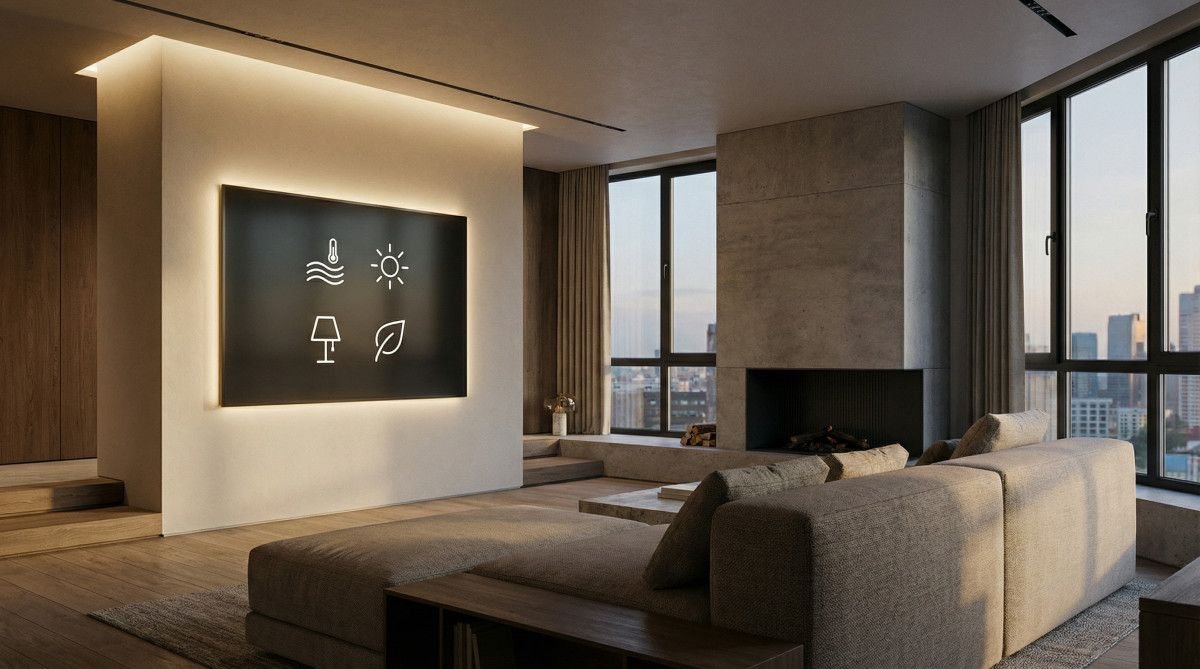
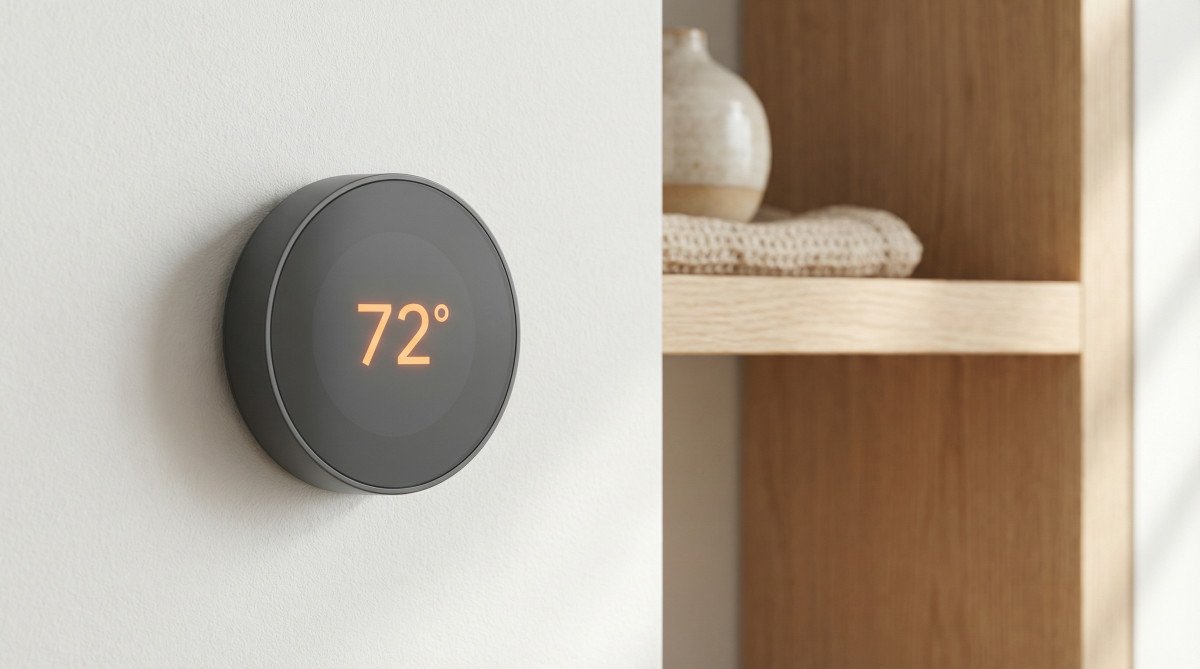
One of the most practical and financially rewarding entry points into smart home automation is the installation of an intelligent climate control system. Traditional programmable thermostats require manual scheduling, which is often tedious and quickly becomes outdated as daily routines fluctuate. In contrast, smart thermostats utilize advanced machine learning algorithms, motion sensors, and geofencing technology to autonomously manage your home’s temperature. By tracking your smartphone’s location, the system knows exactly when you leave for work and automatically enters an energy-saving “Away” mode. As you begin your commute home, the geofence triggers the HVAC system to return to your preferred comfort settings, ensuring the house is perfectly conditioned the moment you walk through the door.
Beyond simple temperature adjustments, comprehensive climate automation can integrate with other smart devices to maximize efficiency. For instance, smart motorized window shades can be programmed to lower automatically during the hottest part of a summer afternoon, blocking out harsh solar heat gain and reducing the workload on your air conditioning unit. In the winter, the shades can open to allow natural sunlight to passively warm the interior. Furthermore, smart HVAC systems provide detailed energy consumption reports, allowing homeowners to identify usage patterns, track their carbon footprint, and make informed decisions to further reduce their monthly utility bills. This seamless integration of comfort and conservation is a hallmark of a well-designed automated home. Many homeowners find that basic retail devices do not have the power to keep everything connected. This is why people often hire high end smart home automation installers to design their systems. These professionals make sure that all devices communicate without any lag. They also set up secure networks that protect your private data from outside threats.
Advanced Security and Access Control
Answer Capsule: Smart home automation revolutionizes residential security through integrated smart locks, video doorbells, and AI-powered surveillance cameras. These systems provide real-time alerts, remote access capabilities, and comprehensive monitoring to protect your property and family.
Enhancing physical security is consistently cited as the primary motivation for adopting smart home technology. Modern automated security systems have evolved far beyond simple alarm sirens. The foundation of a smart security setup typically begins with the front door. Smart locks eliminate the need for physical keys, allowing homeowners to unlock their doors using a PIN code, biometric fingerprint scan, or a tap on their smartphone. More importantly, these locks allow you to generate temporary, time-restricted access codes for house cleaners, dog walkers, or visiting guests.
Integrating physical locks into a broader framework simplifies modern household safety. By managing entry streams electronically, residents can track precisely when someone crosses their threshold. Property owners seeking to coordinate these local alarms, specialized access points, and hardware controls often consult unified service firms like https://nexussecurityfirm.com/ to establish robust configurations that adapt seamlessly to changing security demands.
You receive an instant push notification on your phone exactly when the door is unlocked and by whom, providing complete visibility and control over who enters your property, regardless of your physical location.
High-end properties often require a more robust approach to these entry systems. Standard off-the-shelf options do not always fit the design or security needs of larger estates. Many homeowners in mountain regions choose custom setups to handle these demands. These custom designs integrate gate access and main entryways into one network. For those who build or upgrade high-end properties, an investment in luxury Colorado smart home automation systems ensures that every entry point is secure. This professional setup keeps the property safe and preserves a clean look.
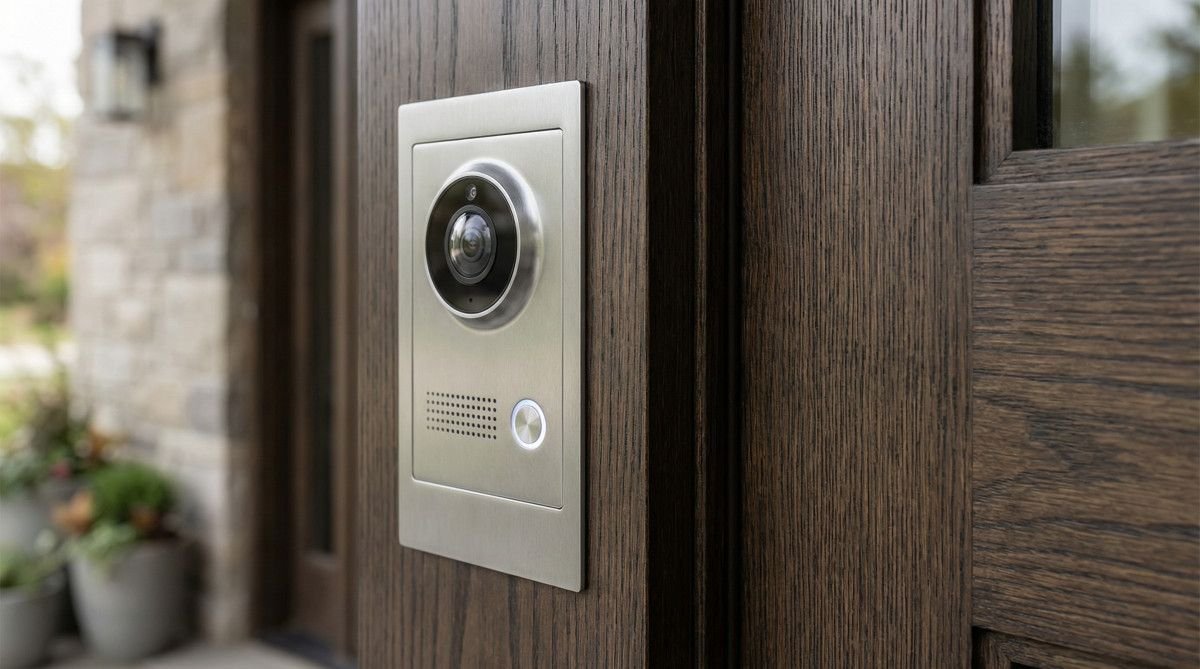
Complementing smart locks are video doorbells and AI-powered surveillance cameras. Unlike older closed-circuit systems that merely recorded footage for later review, modern smart cameras proactively monitor their surroundings. Utilizing advanced artificial intelligence, these cameras can differentiate between a swaying tree branch, a passing vehicle, an animal, and a human being. This drastically reduces false alarms and ensures that you only receive notifications for genuine security events. When integrated into a broader automation platform, a triggered exterior camera can automatically instruct the smart lighting system to illuminate the yard, floodlights to flash, and interior lights to turn on, creating the illusion of an occupied home and effectively deterring potential intruders before they even approach the building.
Automated Lighting and Ambiance
Answer Capsule: Smart lighting systems allow for precise control over the brightness, color, and timing of your home’s illumination. Through automated routines, lighting can enhance security, improve sleep cycles, and instantly alter the ambiance of any room.
Lighting profoundly impacts the mood, functionality, and aesthetic appeal of a home. Smart home automation elevates lighting control from a simple on/off binary to a highly customizable experience. By replacing traditional bulbs with smart LED bulbs or upgrading wall switches to smart dimmers, homeowners gain the ability to adjust the brightness and color temperature of their lights remotely. This technology allows for the creation of specific “Scenes.” A “Movie Night” scene might dim the overhead lights to ten percent, turn off the kitchen lights, and activate soft LED bias lighting behind the television. A “Dinner Party” scene could set the dining room chandelier to a warm, inviting glow while illuminating the architectural features of the room.
Furthermore, automated lighting plays a crucial role in regulating human circadian rhythms. Smart lighting systems can be programmed to mimic the natural progression of the sun. In the morning, bedroom lights can gradually fade up over thirty minutes, shifting from a warm amber to a bright, cool white light that suppresses melatonin production and naturally wakes you up. In the evening, the house can automatically transition back to warmer, dimmer tones, signaling to the body that it is time to wind down and prepare for sleep. From a security standpoint, automated lighting routines can be scheduled to turn lights on and off in a randomized pattern while you are on vacation, making the house appear actively lived-in and deterring potential burglaries.
Frequently Asked Questions
Do I need fast internet for smart home automation?
Yes, a robust and reliable Wi-Fi network is the backbone of any smart home system. While individual devices like smart bulbs use very little bandwidth, high-definition video doorbells and security cameras require significant upload speeds. Upgrading to a mesh Wi-Fi router system is highly recommended to eliminate dead zones and ensure seamless connectivity for all devices.
Are smart home devices vulnerable to hacking?
Like any internet-connected technology, smart home devices carry some cybersecurity risks. However, you can significantly mitigate these risks by purchasing reputable brands, enabling two-factor authentication (2FA) on all accounts, regularly updating device firmware, and securing your home Wi-Fi network with a strong, complex password.
Can I install smart home devices myself?
Many smart home products, such as smart bulbs, plug-in smart outlets, and battery-powered cameras, are designed for easy, plug-and-play DIY installation. However, hardwired devices like smart thermostats, smart wall switches, and integrated security panels require working with high-voltage electricity and are best installed by a licensed professional.
Conclusion
Answer Capsule: Smart home automation is a transformative technology that enhances security, optimizes energy efficiency, and provides unparalleled convenience. By carefully selecting and integrating compatible devices, homeowners can create a highly personalized and intelligent living environment.
The transition toward smart home automation represents a significant upgrade in residential living, moving beyond static environments to dynamic spaces that actively respond to our needs. As the technology continues to mature, the barriers to entry—both in terms of cost and complexity—are rapidly decreasing. The true value of a smart home is not found in the individual devices themselves, but in how those devices communicate and collaborate to simplify daily routines. Whether it is the peace of mind provided by a smart lock, the energy savings generated by an intelligent thermostat, or the aesthetic flexibility of automated lighting, these systems offer tangible, daily benefits.
When embarking on a smart home journey, it is crucial to prioritize interoperability. Selecting devices that operate on common communication protocols or within a unified ecosystem ensures a seamless, frustration-free experience. As you gradually expand your system, integrating more sensors and automated routines, your home will become increasingly efficient, secure, and attuned to your lifestyle. Ultimately, smart home automation is an investment in comfort, security, and the long-term value of your property, transforming the places we live into intelligent partners in our daily lives.