Remote work has evolved from a temporary necessity into a permanent lifestyle, fundamentally altering our definition of what a home should be. The days of balancing laptops on dining room tables or taking video calls from the corner of a bedroom are rapidly fading into the past. Modern professionals now demand dedicated, distraction-free environments that foster productivity without encroaching on personal living spaces. As a result, the architectural landscape is experiencing a profound transformation. The impact of remote work trends on residential real estate design in 2025 is characterized by the integration of micro office pods, commercial-grade acoustic engineering, and biophilic elements that prioritize mental well-being, points out Mainlander Property Management Wilsonville.
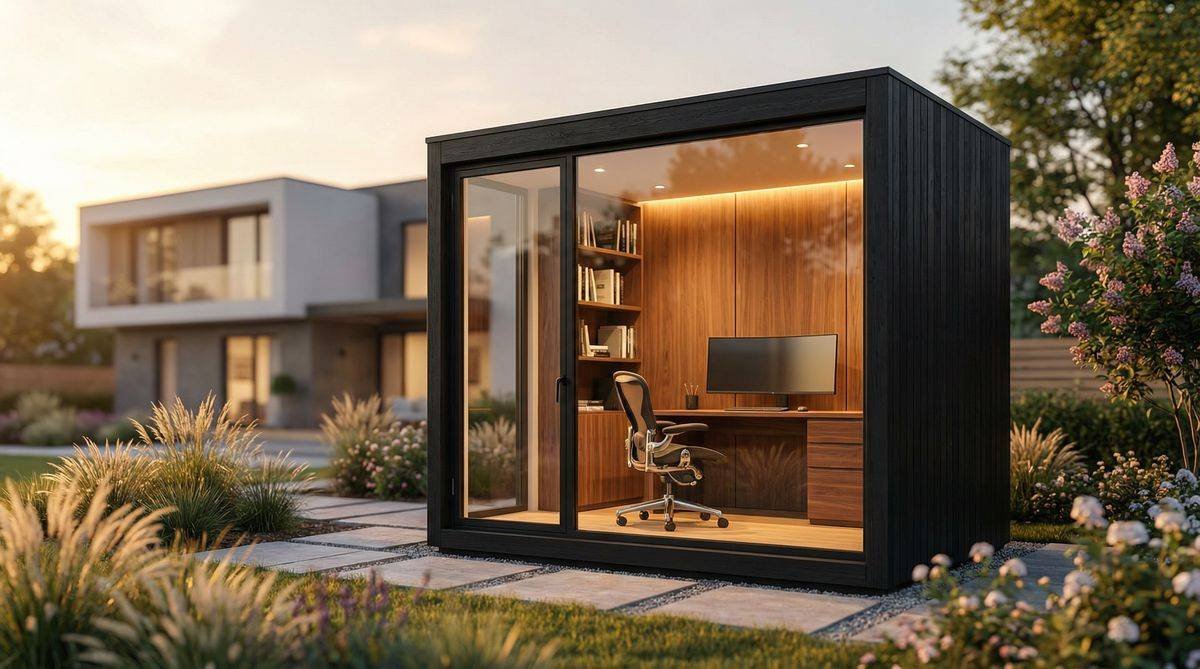
The Rise of Micro Office Pods and Dedicated Zones
One of the most significant shifts in residential architecture is the move away from the traditional, open-concept floor plan toward purpose-built, segmented spaces. Homebuyers are no longer satisfied with simply repurposing a spare bedroom. Instead, the market is seeing a massive surge in demand for micro office pods and detached backyard studios. Market forecasts indicate that the remote work-ready home office pod sector is expected to reach a valuation of $575.27 million by the end of 2025.
These modular structures offer a distinct psychological advantage: physical separation. By placing the workspace outside the main living area, or within a highly insulated interior pod, professionals can physically “leave” the office at the end of the day. This clear boundary helps prevent burnout and maintains the sanctity of the home as a place of rest. Furthermore, these pods are increasingly equipped with integrated smart climate controls, ergonomic lighting, and independent power supplies, making them fully self-sufficient ecosystems tailored for deep focus.
Advanced Acoustic Engineering in Residential Architecture
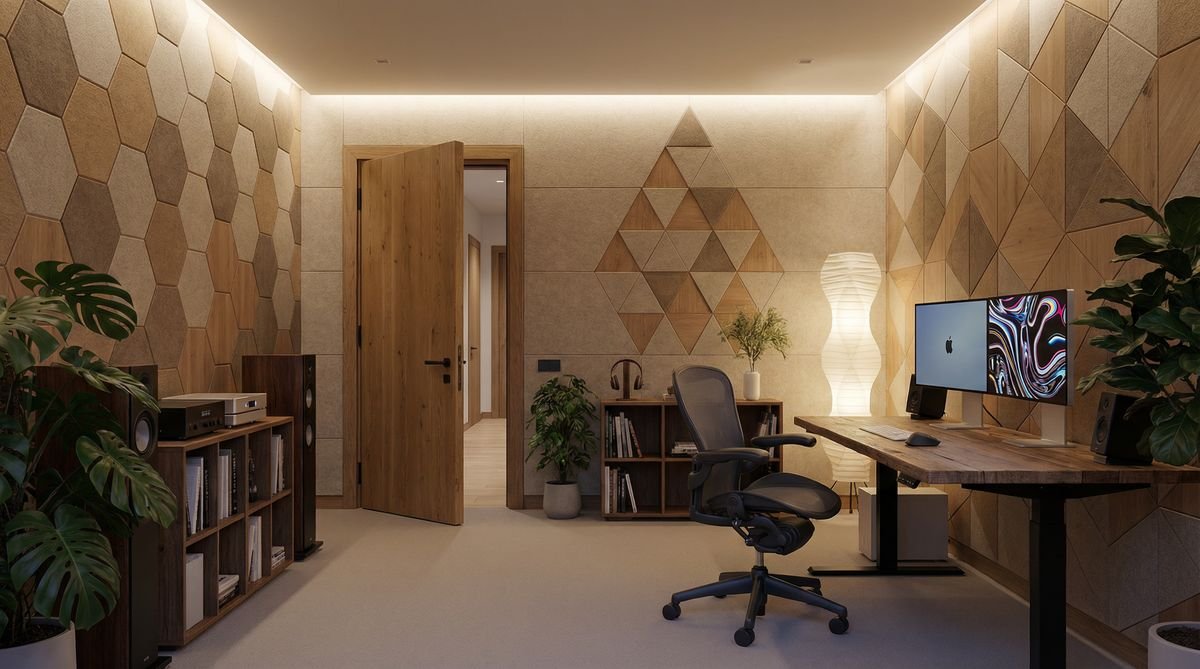
Household noise—whether from children, pets, or everyday appliances—remains the greatest adversary of the remote worker. To combat this, builders are now incorporating commercial-grade acoustic engineering into residential designs. The expectation for a quiet workspace has elevated building standards, moving beyond standard insulation to specialized sound-dampening materials.
Architects are specifying acoustic drywall, which features a viscoelastic polymer layer that significantly reduces sound transmission. Solid-core doors are replacing the hollow, lightweight doors traditionally used for interior rooms, providing a substantial barrier against ambient noise. Additionally, the installation of double or triple-glazed acoustic windows ensures that exterior disturbances, such as traffic or lawnmowers, do not interrupt important virtual meetings.
| Feature | Traditional Home Office | Acoustically Engineered Workspace |
|---|---|---|
| Wall Construction | Standard half-inch drywall | Acoustic drywall with sound-dampening polymer layers |
| Door Type | Hollow-core interior door | Solid-core door with perimeter weatherstripping |
| Window Glazing | Standard single or double pane | Triple-glazed windows with acoustic lamination |
| HVAC System | Shared central air ducting | Independent mini-split system or baffled ductwork |
| Flooring | Hardwood or standard carpet | High-density acoustic underlayment beneath flooring |
Biophilic Design and Mental Well-being
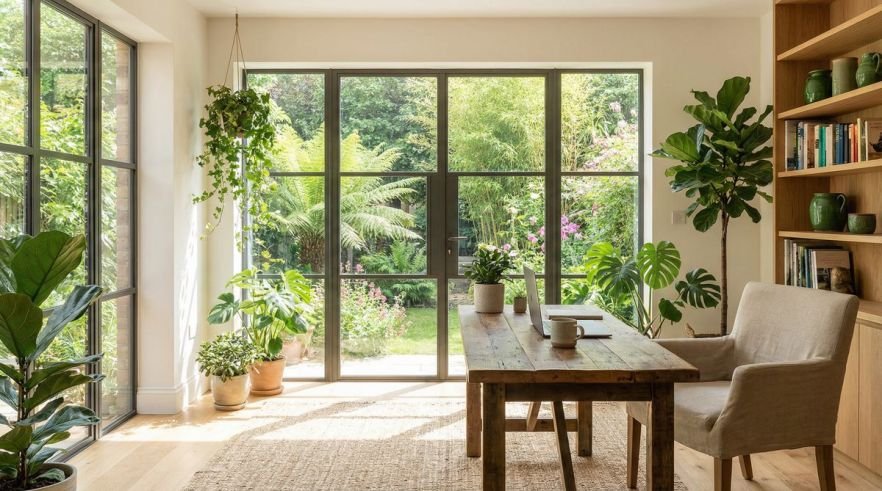
Spending eight or more hours a day in an enclosed room can take a toll on mental health and cognitive function. Recognizing this, residential designers are heavily leaning into biophilic design principles to create workspaces that connect occupants with nature. Biophilic design goes beyond merely placing a potted plant on a desk; it involves structural choices that maximize natural light and blur the boundaries between indoors and outdoors.
Modern home offices are increasingly featuring oversized floor-to-ceiling windows, strategically placed skylights, and direct access to outdoor patios or garden spaces. Exposure to natural daylight helps regulate circadian rhythms, which improves sleep quality and daytime alertness. The integration of natural materials, such as exposed wood grain and stone textures, further reduces stress and lowers blood pressure. By prioritizing these elements, architects are designing spaces that not only facilitate work but actively contribute to the occupant’s overall well-being.
The ROI of Remote-Ready Home Features
From an investment perspective, homes equipped with remote-ready features are commanding significant premiums in the current real estate market. Properties that boast a professionally designed, acoustically isolated home office or a fully permitted backyard pod sell faster and at higher price points than comparable homes without these amenities. Buyers view these spaces as essential infrastructure rather than luxury add-ons.
Moreover, the intrinsic value of these spaces lies in their flexibility. A well-constructed backyard office pod can easily be adapted as family dynamics change. Today, it serves as a high-tech executive suite; tomorrow, it could function as an art studio, a home gym, or a private guest suite. This adaptability ensures that the initial investment continues to yield returns long after the current owner’s work situation evolves.
Frequently Asked Questions
Does a dedicated home office increase property value?
Yes, a dedicated, purpose-built home office significantly boosts property appeal and value. Homes with isolated, acoustically treated workspaces or exterior office pods are highly sought after, often moving faster on the market and commanding a premium over homes that only offer a repurposed spare bedroom.
What is the ideal size for a backyard office pod?
For a single professional, a backyard office pod typically ranges between 100 to 120 square feet. This size provides ample room for a large desk, ergonomic seating, storage, and comfortable movement, without overwhelming the outdoor landscape or requiring complex zoning permits in many jurisdictions.
How can I improve the acoustics of my current home office?
To upgrade an existing space, start by replacing hollow doors with solid-core alternatives and adding a heavy door sweep to block sound from the hallway. Installing thick, sound-absorbing curtains, laying down dense rugs with acoustic underlayment, and adding decorative acoustic panels to the walls can drastically reduce echo and noise transmission.
Conclusion
The impact of remote work on residential architecture has transcended superficial interior decorating, driving a fundamental shift in how homes are built and utilized. The integration of micro office pods, sophisticated acoustic engineering, and biophilic design reflects a deeper understanding of the modern professional’s needs. As the boundaries between professional and personal life continue to evolve, residential real estate will undoubtedly keep innovating, creating spaces that seamlessly support intense productivity while fiercely protecting the comfort and tranquility of the home.