For property owners and managers, the selection of flooring for high-traffic rental units is a critical decision that impacts both the aesthetic appeal and the long-term profitability of the investment. Rental properties, particularly those in urban areas or multi-family complexes, experience significant wear and tear from daily foot traffic, furniture movement, and potential spills. Choosing the right flooring requires a balance between durability, ease of maintenance, cost-effectiveness, and tenant preference. This article explores the most important factors to consider when selecting flooring for high-traffic rental units, focusing on the benefits of different materials and how they can be integrated into a variety of rental properties, notes Property Management Valley Ranch TX.
The Importance of Durable Flooring in Rental Units
Durable flooring is essential for rental units, as it can withstand the daily wear and tear of multiple tenants over many years. It also reduces the frequency of repairs and replacements, which can be both costly and disruptive. Furthermore, durable flooring can improve the overall marketability of the rental unit, as tenants are more likely to choose a property with high-quality, well-maintained flooring.
| Flooring Material | Primary Benefit | Key Metric |
| Luxury Vinyl Plank | Durable and water-resistant | Wear layer thickness |
| Laminate Flooring | Scratch-resistant and affordable | AC rating |
| Porcelain Tile | Extremely durable and easy to clean | PEI rating |
| Engineered Hardwood | Beautiful and more stable than solid wood | Veneer thickness |
The Benefits of Luxury Vinyl Plank (LVP)
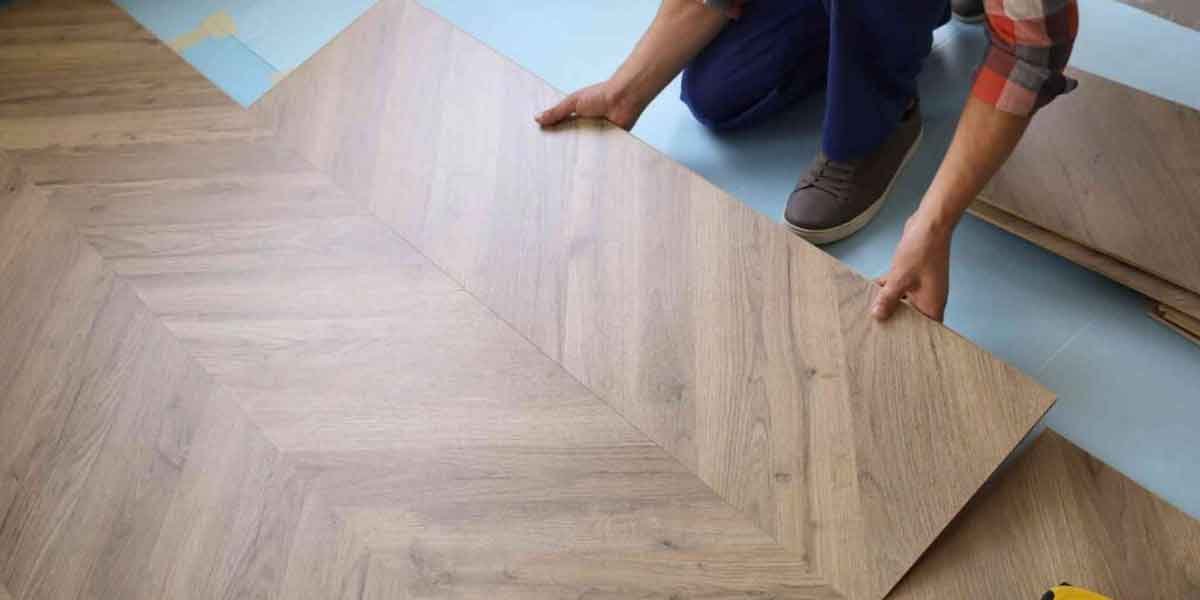
Luxury vinyl plank (LVP) is one of the most popular flooring choices for high-traffic rental units. It is incredibly durable and water-resistant, making it suitable for kitchens, bathrooms, and entryways. LVP is also easy to install and maintain, and it comes in a variety of styles and colors that mimic the look of natural wood or stone.
“Luxury vinyl plank is the ideal flooring for high-traffic rental units. It offers the perfect balance of durability, style, and cost-effectiveness.”
LVP is also highly resistant to scratches and dents, which is essential for rental properties with pets or children. By choosing LVP, property owners can reduce the frequency of flooring replacements and improve the overall value of their investment.
The Role of Laminate Flooring and Porcelain Tile
Laminate flooring is another popular choice for high-traffic rental units. It is highly scratch-resistant and affordable, making it a cost-effective option for property owners on a budget. Laminate flooring is also easy to clean and maintain, and it comes in a variety of styles and colors.
Porcelain tile is one of the most durable flooring materials available. It is extremely resistant to wear and tear, water, and stains, making it suitable for high-traffic areas like kitchens and bathrooms. Porcelain tile is also easy to clean and maintain, and it can last for many decades with proper care.
The Evolution of Engineered Hardwood
Engineered hardwood is a beautiful and more stable alternative to solid hardwood. It is made by gluing together layers of wood, with a real wood veneer on top. This creates a more stable material that is less likely to warp or cup in response to changes in humidity.
Engineered hardwood is also highly durable and can be refinished several times, extending its lifespan. It is a more expensive option than LVP or laminate, but it can significantly improve the overall marketability and value of the rental unit.
Conclusion: Investing in High-Quality Flooring
In conclusion, choosing the right flooring for high-traffic rental units is a strategic decision that pays off in the long run through improved durability and reduced maintenance costs. By focusing on luxury vinyl plank, laminate flooring, porcelain tile, and engineered hardwood, property owners can create a beautiful and functional living environment for their tenants. These flooring materials not only provide immediate aesthetic benefits but also enhance the overall value and profitability of the investment. As the rental market continues to evolve, high-quality flooring will remain a key driver of tenant satisfaction and success. Investing in high-quality flooring is a smart decision that pays off in the long run through improved property value and reduced turnover costs.