Did you know that the term ‘sankkucomplex’ holds at least five distinct meanings? This fascinating cultural phenomenon shifts from a psychological state to a software framework, leaving a trail of confusion across the internet. You are not alone if you feel lost. Contradictory articles, vague definitions, and even warnings about its risks create a dizzying experience for anyone seeking a clear answer.
By the end, you will have more than just an answer. You will have a complete picture of this modern mystery.
What Is Sankkucomplex? Unpacking the 5 Meanings
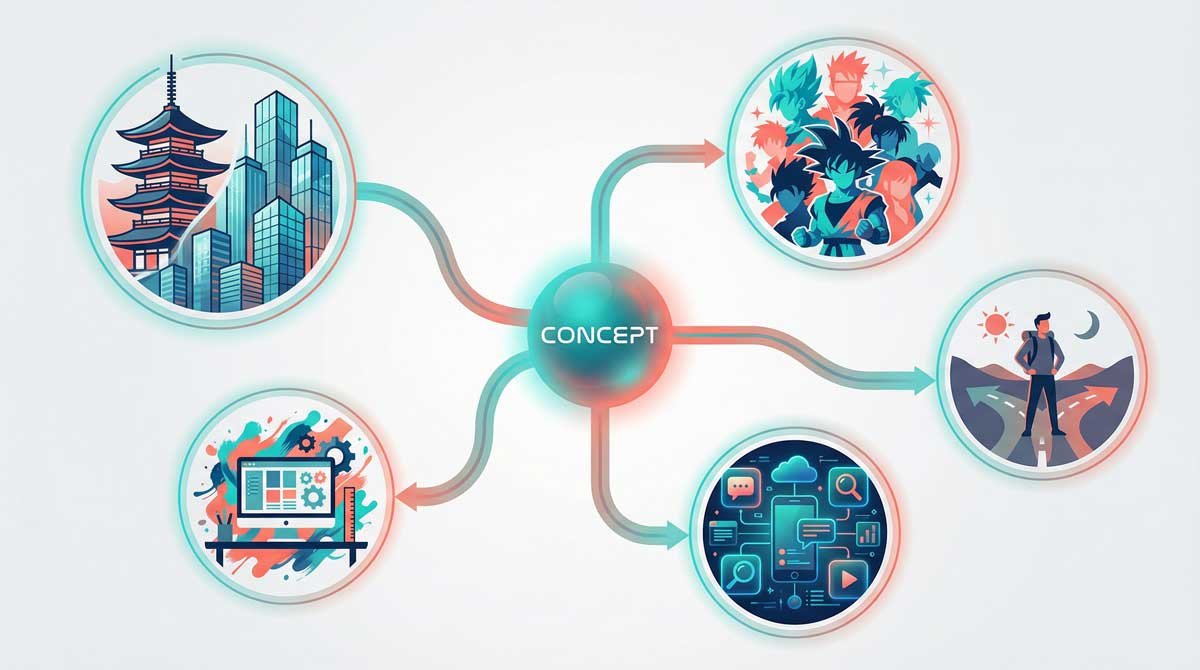
The first thing to understand is that sankkucomplex is not one thing. It is a floating signifier, a label that has been attached to several different ideas. This ambiguity is not a flaw in its definition; it is a core feature of the phenomenon itself. The term’s power comes from its ability to mean different things to different communities.
To bring clarity, we have mapped out the five dominant meanings currently circulating online. This table organizes the chaos, showing how one word can represent a psychological struggle, a pop culture trend, a creative philosophy, a social identity, and a technical tool.
| Definition Type | Core Concept | Where It Appears |
|---|---|---|
| 1. Psychological | The internal conflict between tradition and modern life. | Cultural studies blogs, psychology forums. |
| 2. Pop Culture | An aesthetic ideal linked to Japanese anime/manga. | Social media, fan communities, fashion blogs. |
| 3. Creative Framework | The balance between individual creativity and structured systems. | Tech blogs, design articles, business guides. |
| 4. Singlehood Identity | Feelings of pride and conflict related to being single. | Lifestyle articles, social commentary blogs. |
| 5. Tech Platform | A specific (often mislabeled) software, app, or digital tool. | Tech news, software review sites. |
The Origins: How a Vague Term Became a Global Trend
The story of sankkucomplex does not begin with a single, clear event. It grew organically from the sprawling, interconnected world of online forums and Japanese pop culture. Like many internet-native terms, its roots are tangled, but they point to a fascinating process of digital evolution. The term began as a whisper in niche communities and slowly morphed into a global conversation.
One of the most critical points of confusion is its relationship with Sankaku Complex, an imageboard website known for its adult-oriented anime content. It is highly probable that “sankkucomplex” originated as a simple misspelling of Sankaku Complex. However, what started as a typo soon took on a life of its own. Social media algorithms and SEO-driven content farms amplified the new term, stripping it of its original context and imbuing it with fresh, unrelated meanings.
This process is not uncommon in the digital age. A word breaks free from its anchor. It travels across different platforms, and each community that adopts it adds a new layer of meaning. The journey of sankkucomplex from a likely typo to a multi-faceted cultural term is a perfect case study in how online language evolves. It demonstrates how meaning is no longer dictated by dictionaries but is instead negotiated and reshaped by millions of users every day.
The Psychology of the Complex: Why We’re Drawn to Ambiguity
The magnetic pull of this term has less to do with its definitions and more to do with what its ambiguity offers. It acts as a psychological canvas. People project their own complex feelings onto it, finding a label for experiences that are otherwise hard to name. This is where its true power lies, deeply rooted in identity psychology.
It provides a framework for identity formation in a world that resists simple boxes. For individuals navigating the space between cultural heritage and personal ambition, the concept becomes a validating term. It says that feeling pulled in multiple directions is a shared, legitimate experience. It is not a sign of being broken.
This shared experience fosters a sense of community. Online groups dedicated to discussing the topic provide a space for belonging. Here, people connect over their shared struggles and passions, whether it is the pressure of modern relationships or a love for a particular anime aesthetic. The term becomes a banner under which they can gather.
It is crucial, however, to make a clear distinction. While the term uses the word “complex,” sankkucomplex is not a recognized clinical condition. In Jungian psychology, a “complex” is a core pattern of emotions, memories, and perceptions in the personal unconscious organized around a common theme. Sankkucomplex, in contrast, is a cultural label—a piece of social vocabulary, not a diagnostic tool.
Sankkucomplex in Action: From Anime to AI
Abstract concepts are best understood through concrete examples. This cultural phenomenon reveals its true nature when we see it applied in the real world. It is not just a buzzword; it is a lens that clarifies how creativity, identity, and systems interact in various fields.
In Popular Culture: Consider a popular anime character who is a brilliant scientist but struggles with deep social anxiety. They embody this complex by balancing immense intellectual capability (a structured system of logic) with a chaotic, deeply personal inner world. Fans are drawn not just to their genius, but to the relatable tension between their public competence and private vulnerability. This character becomes a symbol of the modern struggle to reconcile our different selves.
In the Tech Industry: Imagine a software development team building a new application. They follow a rigid Agile framework, with structured sprints and daily stand-ups. Yet, their biggest breakthroughs come from a junior developer’s unstructured “shower thoughts.” This team embraces the concept by creating a system that allows for, and even encourages, individual creativity to flourish within a disciplined process. The final product is both robust and innovative, a direct result of this balance.
In Personal Life: Think of a young woman from a traditional family who dreams of being a globetrotting travel blogger. Her family expects her to take a stable job and stay close to home. She navigates her internal conflict by finding a middle path. She starts a blog focused on exploring the hidden cultural gems of her own region, blending her family’s values with her personal passion. Her story resonates with thousands who feel a similar pull between duty and desire.
The Sankkucomplex Debate: Healthy Trend or Harmful Ideal?
No popular trend escapes scrutiny, and this one is no exception. The conversation surrounding it is a dynamic mix of celebration and concern. Understanding both sides is essential to grasping its full impact on modern culture.
The optimistic view sees it as a force for empowerment. It gives people a vocabulary to describe nuanced feelings about identity, creativity, and belonging. It fosters communities where individuals feel seen and validated. In this light, the term is a tool for self-expression in an increasingly complex world.
However, a more critical perspective raises important questions. As one article from The Techno Sparks points out, the ambiguity of the term can be problematic:
“That blend of deep emotional themes with workflow or app marketing can blur motives. Readers cannot always tell if the goal is to support people or sell tools around a trendy word.”
This highlights a key risk: the co-opting of a cultural term for commercial gain. Critics also worry that certain definitions, particularly those tied to anime aesthetics, may promote unrealistic or narrow beauty standards. The line between appreciation and objectification can become dangerously thin, potentially leading to body image issues and reinforcing harmful stereotypes.
So, what does the future hold? This digital trend will likely continue to evolve. One possibility is that the different meanings will diverge further, each becoming a distinct term within its respective community. Alternatively, one definition may eventually dominate the public consciousness. What is certain is that as long as we continue to navigate the tensions between our digital and physical selves, our traditions and our ambitions, the ideas behind it will remain profoundly relevant.
Frequently Asked Questions (FAQ) about Sankkucomplex
Here are answers to some of the most common questions about the sankkucomplex phenomenon, designed to give you quick and clear insights.
- 1. What is the single simplest definition of the term?
- The simplest definition is that sankkucomplex is a label for the feeling of being pulled between two competing worlds, such as tradition and modernity, or creativity and structure. However, its meaning is not fixed and can change depending on the context.
- 2. Is it a real psychological term?
- No, it is not. While it describes a psychological experience, sankkucomplex is a cultural or internet term. It is not a diagnosis found in any clinical psychology manuals like the DSM-5 or ICD-11.
- 3. What is the difference between sankkucomplex and Sankaku Complex?
- Sankaku Complex is a specific imageboard website, primarily known for adult-oriented anime content. “Sankkucomplex” likely started as a misspelling of this but has since evolved into a separate, multi-faceted term with different meanings that are unrelated to the original website.
- 4. Why are there so many different meanings for the term?
- The term spread rapidly through different online communities. Each community adapted it to describe its own unique interests and concerns, leading to multiple, parallel definitions. This is a common way that language evolves on the internet.
- 5. Is this trend harmful?
- It can be. While it can be empowering for some, critics argue it can also promote unrealistic beauty standards, lead to identity confusion, or be used for manipulative marketing. The impact depends heavily on the context and the specific definition being used.
- 6. How do I know which meaning someone is using?
- Context is key. Pay attention to where the term is being used. If it is on a tech blog, it likely refers to a creative framework. If it is on a social media account focused on anime, it probably refers to a pop culture aesthetic. The surrounding conversation will almost always provide clues.
- 7. What does it have to do with Japanese culture?
- The term has strong ties to Japanese pop culture, particularly anime and manga. One of its most popular meanings refers to an aesthetic ideal found in these mediums. The psychological meaning also resonates with the cultural tension between Japan’s deep traditions and its rapid modernization.
- 8. Is it just a passing internet meme?
- It is more than a simple meme, but it is a product of internet culture. While the term itself might fade, the underlying concepts it represents—the conflict between tradition and modernity, the search for identity, and the need for community—are timeless and will likely reappear under new names.
Conclusion: Embracing the Complexity
In the end, the quest for a single, stable definition of the term misses the point. Its true value lies not in a fixed meaning, but in the conversations it starts. It is a mirror reflecting our modern anxieties and aspirations. It captures the struggle to forge a unique identity in a world of overwhelming complexity, the tension between the communities we inherit and the ones we choose, and the dance between human creativity and the systems that try to contain it.
It is not an answer; it is a question. It invites us to examine the contradictions in our own lives and in our culture. It is a starting point for dialogue, not a final destination. So, the next time you encounter this mysterious term, resist the urge to pin it down. Instead, ask what it reveals about the context in which it appears. The most interesting discoveries are often found in the complexity itself.
What is your experience with this concept? Have you encountered a meaning we missed? Share your thoughts in the comments below. Your perspective is a vital piece of this ever-evolving puzzle.