 This guide cuts through the confusion. We will explore what 123safe67 really is, backed by data and cybersecurity insights. You will learn how to verify any unknown identifier and protect your digital life. Consider this your playbook for navigating the web with confidence.
What Is 123safe67?
So, what is 123safe67? It’s not a product, a company, or a service. Instead, think of it as a digital ghost—a generic identifier that haunts the internet. It appears in countless forms, from tracking codes in web links to placeholder data in software tests.
The term itself is a clever mix of familiar patterns. It combines numbers (123), a reassuring word (safe), and another number (67). This structure mimics legitimate system-generated codes, which is why it feels official. But this resemblance is often a coincidence or, in some cases, a deliberate trick.
In most scenarios, 123safe67 is simply a piece of digital noise. It could be a temporary session ID, a parameter in a URL used for analytics, or a randomly generated name for a test account. It’s the digital equivalent of a nameless character in a movie—part of the background, but not the main story.
To put it in perspective, here’s how 123safe67 compares to a legitimate security tool:
| Feature | 123safe67 | Legitimate Security Tool |
|---|---|---|
| Clear Documentation | Vague or non-existent | Comprehensive and detailed |
| Company Information | Missing or anonymous | Transparent and verifiable |
| User Reviews | Scattered and conflicting | Consistent across platforms |
| Official Website | None, or multiple fakes | A single, verified domain |
| Privacy Policy | Unclear or absent | Specific and legally binding |
Why 123safe67 Appears So Frequently Online
The mystery of 123safe67 deepens when you notice how often it appears. This isn’t because it’s important. It’s because of how the internet works. Search engines, automated content farms, and tracking systems all play a role in its surprising visibility.
First, search engines respond to human curiosity. When a few people search for a new term, it gets indexed. If others click on the results, the term gains relevance. This creates a feedback loop where visibility fuels more searches, making the term seem more legitimate than it is.
Automated content systems amplify this effect. Some websites generate thousands of pages based on trending keywords. They create an article for “123safe67” simply because people are searching for it. This adds to the noise, making it harder to find a real answer.
Finally, tracking tokens are a major contributor. Companies embed codes in URLs to monitor ad campaigns or user sessions. When you share a link, that code often travels with it. Over time, these fragments get stored in browser histories and server logs, creating a digital footprint that makes 123safe67 seem everywhere at once.
Understanding the Actual Risks Behind Unknown Identifiers
While 123safe67 itself is often harmless, the confusion it creates is a perfect playground for scammers. The real danger isn’t the identifier, but the sophisticated tactics that hide behind it. The numbers paint a grim picture of the modern threat landscape.
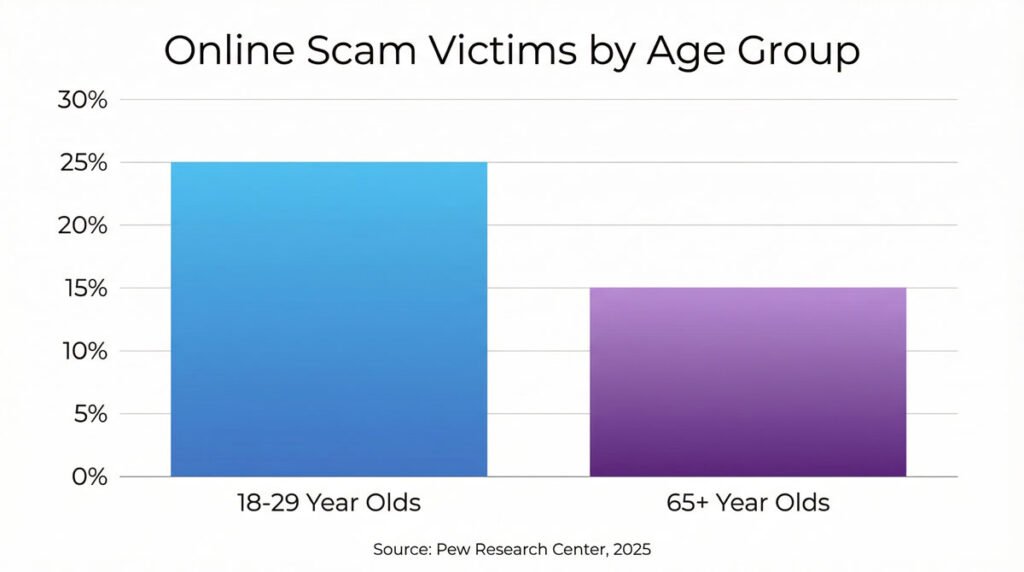
In 2024, the FBI reported a record-breaking $16.6 billion in losses from online scams. This isn’t a distant problem; it affects people every day. A 2025 report found that 21% of U.S. adults have lost money to online fraud, with young adults aged 18-29 being particularly vulnerable (25% affected).
Scammers exploit terms like 123safe67 because they sound official. They combine this with a sense of urgency to pressure you into making a mistake. A message saying “Your 123safe67 account is compromised, click here to fix it!” is a classic example of this psychological trick. It uses a reassuring word (“safe”) to lower your guard before demanding immediate action.
Expert Insight: Real security features work silently in the background. They don’t need to persuade you with aggressive pop-ups or urgent demands. If a message feels pushy, it’s a major red flag.
This issue disproportionately affects certain demographics. Data shows that 26% of individuals in lower-income households have lost money to scams, compared to 15% in upper-income households. This vulnerability is often linked to having less access to security resources and education.
Common Places Where 123safe67 Appears
Understanding where 123safe67 shows up is key to knowing how to react. The context is everything. It tells you whether you’re dealing with harmless digital noise or a potential threat.
In URLs and Redirects
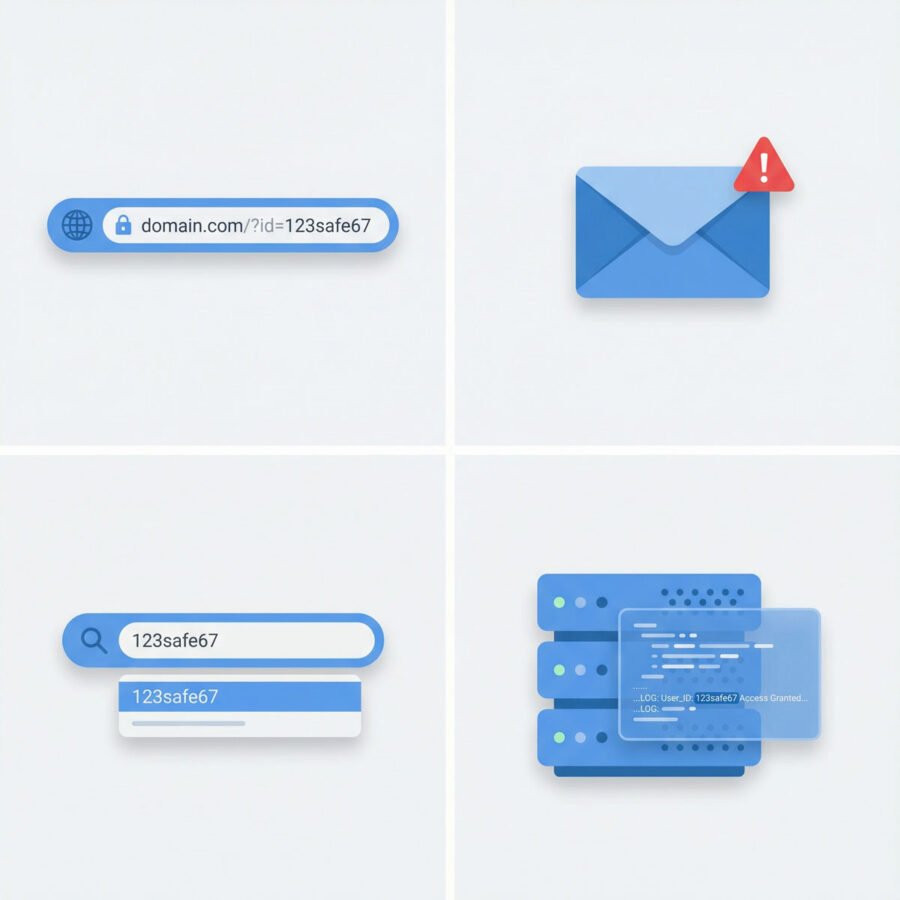
You might see it as domain.com/123safe67 or as a parameter like ?id=123safe67. In most cases, this is a tracking ID for analytics. It’s generally not a concern on familiar websites. However, if an unknown domain uses this pattern and asks for personal information, close the page immediately.
In Suspicious Messages and Emails
This is the most dangerous context. A phishing email might say, “Confirm your 123safe67 verification code.” The code itself is meaningless. The real threat is the link or attachment designed to steal your credentials. Never click links from unsolicited messages.
In Browser Autocomplete Suggestions
If 123safe67 appears in your browser’s search bar, it simply means you’ve visited a page containing that term before. Your browser is trying to be helpful by remembering it. This is not a security issue on its own, but it’s a good reminder to clear your browsing history periodically.
In Server Logs and Analytics
For website owners, seeing 123safe67 in traffic reports often points to bot activity or referral spam. These are automated systems scanning the web. While usually harmless, a high volume of hits on sensitive pages (like a login page) could indicate a probing attempt and should be investigated.
Step-by-Step Guide to Verify 123safe67 or Any Unknown Identifier
When you encounter an unknown identifier like 123safe67, your best defense is a consistent verification process. Don’t try to memorize every possible scam. Instead, build a habit of questioning everything. Follow these five steps to stay safe.
Step 1: Pause and Document
Resist the urge to click. The moment you feel a sense of urgency, stop. Take a screenshot of the message or link. Note where you saw it—was it an email, a text message, or a website redirect? This context is crucial for the next steps.
Step 2: Inspect the Source
Look closely at the sender’s email address or the website’s URL. Scammers often use domains that are slightly misspelled, like “PayPa1.com” instead of “PayPal.com.” On websites, ensure the connection is secure by looking for the padlock icon and an “https://” prefix in the address bar.
Step 3: Search Independently
Open a new browser tab and search for the company or service mentioned. Look for reviews on independent sites like Reddit or Trustpilot. A legitimate service will have a well-established online presence. A lack of information or a flood of negative reviews is a major red flag.
Step 4: Verify Through Official Channels
Never use the contact information or links provided in a suspicious message. If you think the alert might be real, go directly to the company’s official website by typing the address yourself. Log in to your account and check for any notifications there. This is the only way to confirm a legitimate request.
Step 5: Check Website Legitimacy
If you land on an unfamiliar website, do a quick background check. Look for an “About Us” page with detailed company information. Read the privacy policy—is it specific and professional? Use a free tool like the WHOIS lookup to see when the domain was registered. A brand-new domain is a common sign of a scam.
Here is a quick checklist to help you decide:
| Verification Check | Green Flag (Likely Safe) | Red Flag (Likely Unsafe) |
|---|---|---|
| Website “About Us” | Detailed company history | Missing or vague information |
| Contact Information | Multiple verified methods | Only a generic contact form |
| Privacy Policy | Comprehensive and specific | Generic, full of errors, or absent |
| User Reviews | Consistent across platforms | None, or mostly negative |
| Domain Age | Over one year old | Recently registered (under 6 months) |
| HTTPS Certificate | Valid and matches the domain | Invalid, mismatched, or missing |
Proven Ways to Protect Yourself from Online Scams
Verification is a powerful habit, but a strong defense requires layers of protection. Building good digital hygiene makes you a much harder target for scammers. It’s not about being paranoid; it’s about being prepared. Here are proven strategies that actually work.
Email Security First
Your email is the key to your digital kingdom. If a scammer gets access, they can reset passwords for almost all your other accounts. Protect it above all else. Enable two-factor authentication (2FA) immediately. Use a unique, strong password that you don’t reuse anywhere else. Regularly review your account’s recovery options to ensure they are up to date.
Browser Safety Habits
Your web browser is your main window to the internet, but it can also be an entry point for threats. Keep your browser and its extensions updated to patch security holes. Use a reputable ad-blocker, like uBlock Origin, which also blocks many malicious scripts and redirects. Be mindful of the permissions you grant to websites and extensions.
Proactive Account Monitoring
Don’t wait for a problem to check on your accounts. Get into the habit of regularly reviewing your login activity on important services like your bank and social media. Set up alerts for unusual activity, such as logins from a new device or location. The sooner you spot a problem, the easier it is to fix.
Knowledge-Based Protection
Finally, stay informed. Scammers are always evolving their tactics. Follow cybersecurity news sources or experts to learn about the latest threats. Remember to trust behavior, not branding. A message that creates a sense of urgency while promising safety is a classic contradiction. Question everything.
To help you get started, here are some recommended tools:
| Tool Type | Purpose | Recommended Options | Free/Paid |
|---|---|---|---|
| Password Manager | Secure password generation & storage | 1Password, Bitwarden | Both |
| 2FA Authenticator | Strong two-factor authentication | Authy, Google Authenticator | Free |
| Browser Extension | Block malicious sites & trackers | uBlock Origin, HTTPS Everywhere | Free |
| VPN Service | Encrypt your internet connection | NordVPN, ProtonVPN | Both |
Immediate Actions If You’ve Interacted with Suspicious 123safe67 Links
If you’ve already clicked on a suspicious link or entered information on a questionable site, don’t panic. Quick, methodical action can significantly reduce the potential damage. The goal is to contain the threat and reclaim control of your accounts.
First, disconnect your device from the internet to prevent any further data transmission. Then, run a full scan with a reputable antivirus program to detect and remove any malware that may have been installed. This is a critical first step to ensure your device is clean before you take any other actions.
Once your device is clean, immediately change the passwords for any accounts you believe may be compromised. Start with the account associated with the suspicious message, then move on to your email, banking, and social media accounts. Use a different, strong password for each one. Enable two-factor authentication (2FA) on every account that offers it.
Finally, monitor your accounts closely for the next few weeks. Watch for any unusual login attempts, password reset notifications, or strange financial transactions. If you see anything suspicious, report it immediately to the relevant company and your bank. Acting fast can often prevent financial loss.
Here is an emergency response timeline:
| Timeframe | Actions to Take |
|---|---|
| Within 1 Hour | Disconnect from internet, run antivirus scan, change critical passwords. |
| Within 24 Hours | Enable 2FA on all accounts, review recent account activity, contact your bank. |
| Within 1 Week | Continue monitoring accounts, report the incident, be wary of follow-up scams. |
Why Understanding Identifiers Like 123safe67 Matters
Understanding terms like 123safe67 is about more than just decoding a single mysterious identifier. It’s about developing the critical thinking skills needed to navigate an increasingly complex digital world. The internet will always generate new, confusing terms. The real skill is learning not to be distracted by them.
The landscape of online threats is constantly evolving. Scammers are now using AI to create more convincing fake websites and personalized phishing messages. This makes it harder than ever to spot a fake. In this environment, blind trust is a liability. A healthy dose of skepticism is your best asset.
This is where digital literacy becomes crucial. A surprising 71% of Americans believe they know how to avoid scams, yet data shows that 21% have still lost money. This gap between confidence and reality highlights that knowledge alone isn’t enough. It must be paired with consistent, cautious habits.
Ultimately, your awareness is a more powerful shield than any single tool. By learning to question, verify, and protect your accounts, you build a defense that adapts to any new threat that comes your way. It’s a mindset shift from reacting to threats to proactively managing your digital safety.
Frequently Asked Questions About 123safe67
- 1. What exactly is 123safe67?
- 123safe67 is not a specific product, company, or tool. It is a generic identifier that appears in various online contexts. Think of it as a digital label. You might find it embedded in a website URL as a tracking parameter, used as a placeholder in a database, or referenced in auto-generated content. Its structure—combining numbers and the word “safe”—makes it seem official, but it typically has no inherent meaning on its own.
- 2. Is 123safe67 safe to use?
- The safety of 123safe67 depends entirely on the context. If it appears on a trusted website as part of a URL, it is likely harmless. However, if you encounter it in an unsolicited email, a suspicious pop-up, or a message demanding urgent action, you should treat it as a potential red flag. The identifier itself isn’t dangerous, but the way it’s used can be.
- 3. Is 123safe67 a scam?
- No, 123safe67 itself is not a scam. It is just a string of text. However, because it sounds vaguely security-related, scammers may incorporate it into their phishing attempts to make their messages seem more legitimate. For example, they might send an email that says, “Your 123safe67 account needs verification.” The scam isn’t the term; it’s the malicious link or attachment that comes with it.
- 4. How can I tell if a 123safe67 link is legitimate?
- Never trust a link based on the text alone. To verify its legitimacy, first inspect the domain name. Is it from a company you know and trust? Are there any misspellings? Instead of clicking the link, open a new browser window and type the official website address directly. If the message is legitimate, you will find the same notification in your account dashboard.
- 5. Why does 123safe67 keep appearing in my searches?
- This happens due to a combination of factors. When people search for the term out of curiosity, search engines begin to recognize it as a relevant keyword. This creates a feedback loop where its visibility increases, prompting more people to search for it. Additionally, your browser may be autocompleting the term because you have visited sites that contained it in their URLs or content.
- 6. What should I do if I receive an email mentioning 123safe67?
- Do not click on any links or download any attachments. First, check the sender’s email address for any signs of forgery. Then, independently verify the claim by visiting the official website of the supposed sender. If you cannot verify the message, delete it. If it seems like a phishing attempt, report it to your email provider.
- 7. Can 123safe67 steal my personal information?
- The identifier itself has no ability to do anything. It cannot steal your information. The risk comes from how it is used. If you click on a malicious link that includes “123safe67” and then enter your personal information on a fake website, that is how your data gets stolen. The danger lies in the action you take, not in the term itself.
Final Thoughts: Stay Curious, Stay Safe
In the end, 123safe67 is more of a symptom than a disease. It represents the endless stream of digital noise that defines the modern internet. While it is often harmless, the confusion it creates is a powerful tool for those with malicious intent. The real lesson isn’t about memorizing this specific term, but about building the universal skill of digital verification.
The internet will always have new mysteries and strange identifiers. Rather than getting caught up in what each one means, focus on developing a consistent safety routine. Question every unsolicited request. Verify every link before you click. Protect your accounts with strong, unique passwords and two-factor authentication.
In a world where Americans encounter scams daily and lose billions annually, your best defense isn’t memorizing every suspicious code—it’s building the habit of verification before trust. Stay curious, but above all, stay safe.