Nursing mothers face a significant challenge: staying consistently hydrated while meeting the high fluid demands of lactation. To reach these daily targets, many mothers explore electrolyte products. However, these supplements vary considerably in sodium and other mineral levels, sugar content, sweeteners, flavor, format, convenience, and their intended use.
This guide provides a practical comparison of five options to help you navigate these differences. It is important to clarify that not every breastfeeding mother automatically needs electrolyte supplementation. Furthermore, while maintaining proper hydration supports your overall well-being, electrolyte products have not been shown to directly increase breast milk supply. Instead, view this guide as a tool to evaluate which hydration format best fits your daily routine.
What to Look for in Electrolytes While Breastfeeding
When evaluating electrolyte options, you can use these seven criteria to find the right fit for your routine:
Sodium, potassium, and magnesium: Formulas contain different amounts and ratios. Sodium varies widely by product. The options in this guide range from roughly 50–55mg to 1,000mg per serving.
Sugar: Some products use glucose alongside sodium to support intestinal water absorption, while others are entirely sugar-free.
Sweeteners: Keep in mind that a sugar-free label does not necessarily mean unsweetened. Many products use alternative sweeteners such as stevia or allulose. Lactation-specific evidence varies by sweetener and is limited or absent for some ingredients.
Flavor: Flavored powders can help mask the taste of plain water. However, some mothers experience taste fatigue from repeatedly drinking sweet beverages and prefer an unflavored option.
Format: Compare the convenience of powders, which require manual mixing, against tablets and pre-dissolved liquid drops.
Caffeine and extra ingredients: Always check labels when products come in multiple formulas. Some formulations also contain caffeine or high amounts of certain vitamins.
Use case: Differentiate everyday hydration products from higher-sodium formulas intended for heavier electrolyte replacement.
5 Best Electrolytes for Nursing Moms
When selecting an electrolyte supplement, it is crucial to match the product to your specific use case rather than viewing them all as interchangeable wellness drinks. Depending on your sweat rate, activity level, and flavor preferences, the ideal formulation will vary. Below is a breakdown of five popular options to help you evaluate which product aligns best with your daily hydration needs.
1. Buoy
Who it may suit: Mothers wanting everyday hydration without altering the taste of their favorite drinks.
Main differentiating feature: These drops are “beverage agnostic,” meaning they are explicitly designed to blend into coffee, tea, juices, or smoothies.
Format: Liquid drops.
Sugar/sweetener considerations: For mothers comparing the best electrolytes while breastfeeding, Buoy may appeal particularly to those looking for the best electrolytes with no sweeteners. Hydration Drops contain no sugar or sweeteners and are designed to be added to water, coffee, tea, smoothies, and other beverages.
Practical advantages: The pre-dissolved liquid format enables easy mixing into an existing beverage. The drops provide trace minerals in a compact format that can be used without preparing a separate powder-based drink.
Potential consideration or tradeoff: A single squeeze provides about 50mg of sodium, substantially less than higher-sodium powder formulas. Although marketed as unflavored, some users may notice a subtle mineral taste in plain water.
2. Boobie HydroMom
Who it may suit: Mothers looking for an option positioned specifically toward pregnancy and postpartum needs.
Main differentiating feature: Designed explicitly for maternal hydration during the nursing journey.
Format: Powder/packet.
Sugar/sweetener considerations: Current ingredient lists for the Blue Raspberry Lemonade and Strawberry Kiwi formulas include organic cane sugar and organic stevia extract, so mothers looking to avoid either added sugar or alternative sweeteners should check the specific flavor’s ingredient list.
Practical advantages: Formulated with the postpartum period in mind, making it a targeted choice for new mothers who want a dedicated supplement.
Potential consideration or tradeoff: Powders require a dedicated glass of water and manual mixing, which might cause flavor fatigue if consumed continuously throughout the day rather than rotating through different beverages.
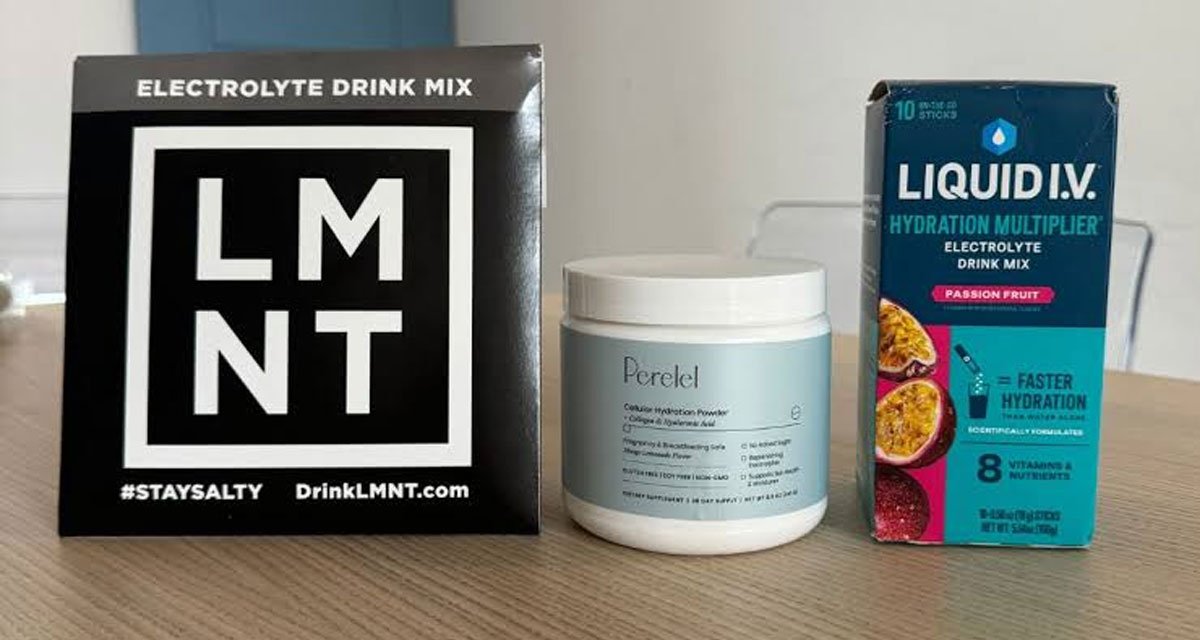
3. Liquid I.V.
Who it may suit: Mothers wanting a portable, higher-sodium, glucose-containing option after exercise or periods of heavier fluid loss.
Main differentiating feature: Uses Cellular Transport Technology, which pairs sodium and glucose to support water absorption in the intestines.
Format: Familiar powder packet.
Sugar/sweetener considerations: The original formula contains 11g of sugar. They also offer a Sugar-Free version that uses allulose as a sweetener.
Practical advantages: Known for its broad availability and travel convenience. It offers 500mg of sodium along with a blend of vitamins C, B3, B5, B6, and B12. The glucose-containing formula may be particularly relevant in situations involving greater fluid and carbohydrate needs.
Potential consideration or tradeoff: Always check labels carefully, as Liquid I.V. offers multiple formulations with different sugar, sweetener, vitamin, and ingredient profiles.
4. Ultima Replenisher
Who it may suit: Mothers who want a flavored hydration drink without consuming glucose or cane sugar.
Main differentiating feature: A zero-sugar flavored option utilizing alternative sweetening.
Format: Powder.
Sugar/sweetener considerations: It is important to remember that zero sugar does not necessarily mean unsweetened; this product relies on alternative sweeteners to achieve its taste.
Practical advantages: Provides a flavored option suitable for everyday hydration contexts without the added sugar found in many traditional sports drinks.
Potential consideration or tradeoff: Lactation-specific evidence for some alternative sweeteners remains limited. For example, available lactation references report a lack of data on the presence of stevia components in breast milk. Additionally, some users may experience an aversion to the sweet taste over time.
5. LMNT
Who it may suit: Mothers who are heavy, salty sweaters or engaging in intensive endurance exercise in high heat.
Main differentiating feature: High-sodium positioning built for heavy electrolyte replacement.
Format: Powder packet.
Sugar/sweetener considerations: Excludes sugar entirely and is sweetened with stevia.
Practical advantages: Provides a highly concentrated dose of electrolytes, specifically 1,000mg sodium, 200mg potassium, and 60mg magnesium per serving without artificial coloring.
Potential consideration or tradeoff: At 1,000mg of sodium per serving, it provides substantially more sodium than the other options here and may be more than needed for routine hydration for many people. Also, check labels carefully, as some formulas, like the Lemonade Iced Tea flavor, contain 50mg of added caffeine.
Do Nursing Moms Need Electrolytes Every Day?
Electrolyte products are a situational hydration tool, not something every nursing mother automatically needs every day. Breastfeeding mothers have an estimated adequate intake of approximately 3.8 liters, or about 16 cups, of total water per day. This total includes water from both food and beverages, with roughly 3.1 liters, or about 13 cups, typically coming from beverages. Many fruits and vegetables also contribute water and essential minerals, meaning electrolyte intake can come from both food and fluids.
Electrolyte supplementation may be more useful in situations such as exercising in hot weather, experiencing heavy sweating, or having difficulty keeping up with fluid needs. However, you should avoid rigid intake recommendations. Rather than assuming electrolyte drinks are necessary every day for general wellness, view them as one tool for hydration when your circumstances call for them. Water and other fluids can provide the baseline for routine hydration, with thirst serving as a useful day-to-day guide for many healthy adults.
Do Electrolytes Increase Breast Milk Supply?
While staying hydrated supports your overall well-being, electrolyte drinks are not a proven treatment for low breast milk supply. There is a common assumption that low supply is always caused by dehydration, leading some mothers to consume sports drinks or drink water well beyond their natural thirst.
In reality, drinking more fluids does not automatically produce more milk. Drinking substantially beyond thirst has not been shown to increase milk production, and excessive fluid intake can carry its own risks. Milk production is driven largely by effective and frequent milk removal, although feeding, maternal, and medical factors can also affect supply.
You should be cautious of absolute medical claims or promises from brands suggesting that electrolyte products will increase milk production. If you have ongoing concerns about your breast milk supply, consult a lactation professional or qualified healthcare provider.
Choosing the Right Option for Your Routine
When deciding which product to incorporate into your routine, use this concise decision framework:
Unflavored/no sweeteners: Choose Buoy if you want liquid drops to add to your existing beverages.
Breastfeeding-specific powder: Choose Boobie HydroMom for a product positioned specifically for maternal hydration.
Widely available: Choose Liquid I.V. if you want familiar packets with a higher sodium content than lower-dose everyday options.
Zero-sugar flavored: Choose Ultima Replenisher if you want a flavored option using alternative sweetening.
Higher-sodium: Consider LMNT when substantial sodium replacement is appropriate, such as with heavy sweating or intensive exercise.
Ultimately, your choice depends on your personal taste preferences, dietary needs, required mineral levels, and convenience.