A swimming pool should be easy to enjoy, simple to maintain, and inviting throughout every season. However, poor water balance, excessive chemical use, and inconsistent sanitisation can quickly create ongoing maintenance problems. Choosing the right salt water pool chlorinator is important for maintaining healthy water quality and helping pool owners reduce time spent on managing chemical levels and equipment issues.
How a Salt Water Chlorinator System Works
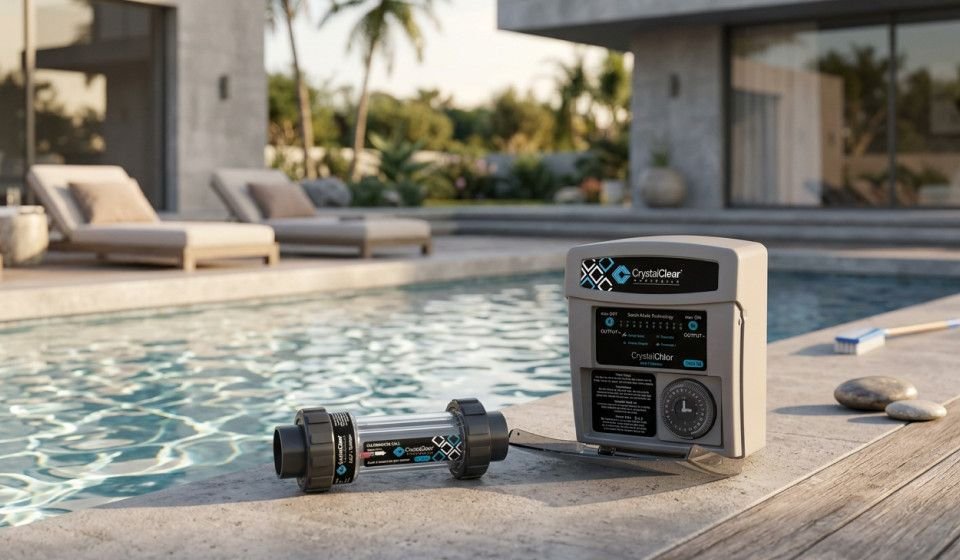
A salt water chlorinator uses electrolysis to convert dissolved salt into chlorine. As pool water moves through the chlorinator cell, a low-voltage electrical current passes through coated plates. This process separates the salt molecules and generates chlorine that sanitises the water.
Unlike traditional pools that require regular manual chlorine dosing, salt water systems continuously produce chlorine while the filtration system operates. This helps maintain more stable sanitation levels and reduces sudden fluctuations in water chemistry.
Salt water pools are often preferred because the water feels softer and more comfortable for swimmers. The steady chlorine production process also helps minimise strong chemical smells and irritation to the eyes and skin.
Why Choosing the Right Chlorinator Matters
Selecting the correct chlorinator is essential for maintaining reliable water quality and reducing unnecessary maintenance costs. A poorly matched system may struggle to maintain balanced chlorine levels, particularly during warmer months or periods of heavy pool use.
The right chlorinator supports efficient chlorine production while helping the entire pool system perform more effectively. Proper sizing allows the equipment to maintain consistent sanitisation without excessive energy use or unnecessary wear.
Important Factors to Consider When Selecting a Chlorinator
Pool Capacity
Pool size is one of the most important factors when selecting a chlorinator. Larger pools require systems capable of generating higher chlorine output to maintain a healthy water balance. Choosing a unit that matches the pool’s water volume helps ensure the system can cope with changing seasonal demands and regular swimming activity.
Environmental conditions also affect chlorine demand. Pools exposed to long periods of sunlight or heavy debris may require stronger chlorination performance to maintain clear water consistently.
Quality of the Electrolysis Cell
The chlorinator cell is responsible for producing chlorine and plays a major role in system reliability. High-quality cells are commonly made with durable materials designed to withstand continuous exposure to salt and water.
A dependable electrolysis cell supports stable chlorine production while helping extend the operational lifespan of the chlorinator. Investing in durable components often reduces future maintenance issues and improves long-term system performance.
Self-Cleaning Technology
Many modern chlorinators now include self-cleaning functionality. Calcium deposits and mineral buildup can gradually reduce cell efficiency if left untreated. Self-cleaning systems automatically reverse polarity to minimise scaling on the plates.
This feature helps improve efficiency, reduce maintenance requirements, and extend the lifespan of the chlorinator cell. It also allows the system to maintain more reliable chlorine output over time.
The Benefits of Using the Right Salt Water Chlorinator
Reduced Reliance on Harsh Chemicals
Salt water chlorination systems reduce the need for frequent manual chlorine dosing. Because chlorine is generated automatically within the system, pool owners often experience fewer chemical odours and less irritation during swimming.
The water typically feels smoother and gentler, creating a more enjoyable swimming experience for families and guests.
Improved Water Consistency
One of the biggest advantages of salt water chlorination is the ability to maintain steady chlorine levels. Consistent sanitisation helps prevent algae growth, cloudy water, and sudden chemical imbalances that may affect water quality.
Balanced water not only improves swimmer comfort but also protects pool surfaces and filtration equipment from unnecessary stress.
Easier Pool Maintenance
A properly selected chlorinator makes pool maintenance more efficient by automatically producing the chlorine needed to keep the water clean and balanced. This consistent sanitisation helps reduce the need for frequent manual chemical adjustments while supporting healthier swimming conditions.
Better Long-Term Value
Reliable chlorinators are designed to operate efficiently over extended periods. Quality systems often include programmable controls, digital displays, and energy-efficient settings that help improve performance while reducing operating costs.
Although high-quality systems may require a larger initial investment, they frequently deliver better value through reduced maintenance expenses, fewer repairs, and improved durability.
Why Professional Installation Is Important
Working with an experienced pool builder in Geelong helps ensure the chlorinator is installed correctly and suited to the pool’s specific requirements. Professional expertise can help improve system efficiency, support long-term performance, and reduce the risk of installation-related issues.
Even the best chlorinator may not perform correctly if it is installed improperly. Professional installation helps ensure that the chlorinator integrates correctly with the pool’s filtration and circulation systems.
Conclusion
Choosing the right salt water chlorinator is essential for maintaining clean, balanced, and comfortable pool water throughout the year. A properly selected system supports efficient chlorine production, reduces the need for harsh chemical treatments, and helps simplify ongoing maintenance. From improving swimmer comfort to protecting pool equipment from unnecessary wear, the right chlorinator contributes to better long-term pool performance and reliability.
Frequently Asked Questions
How often should a salt water chlorinator be serviced?
A salt water chlorinator should generally be inspected and serviced at least once a year. Regular servicing helps ensure the cell remains clean, the chlorine output stays consistent, and the system continues operating efficiently.
Can a salt water chlorinator reduce pool maintenance?
Yes, a salt water chlorinator helps automate chlorine production, reducing the need for frequent manual chemical adjustments. This makes pool maintenance more manageable while helping maintain stable water quality.
What happens if the chlorinator is too small for the pool?
An undersized chlorinator may struggle to produce enough chlorine, especially during warmer weather or heavy pool use. This can lead to cloudy water, algae growth, and increased maintenance requirements.
How long does a salt water chlorinator usually last?
The lifespan of a salt water chlorinator depends on the quality of the system, usage levels, and maintenance practices. A well-maintained chlorinator can often provide reliable performance for many years.
Why is professional installation recommended for salt water chlorinators?
Professional installation helps ensure the chlorinator is correctly matched with the pool’s filtration and circulation system.