When a tow provider gives you a price, they’ve almost certainly done some quick mental math based on what it costs to operate where you’re stranded. Let’s start with the easiest factor to grasp, distance. It makes sense that more miles cost more money. Fuel, wear and tear, the driver’s time, it all goes up as your tow needs to go further. Then there is time of day, which most people realize affects price. Maybe you haven’t considered that it’s harder to accurately quote a tow than other businesses because you’ve got this added cost that can change after you hang up the phone. That’s particularly true if you’re looking to have your car towed immediately.
The Base Fee + Mileage Formula
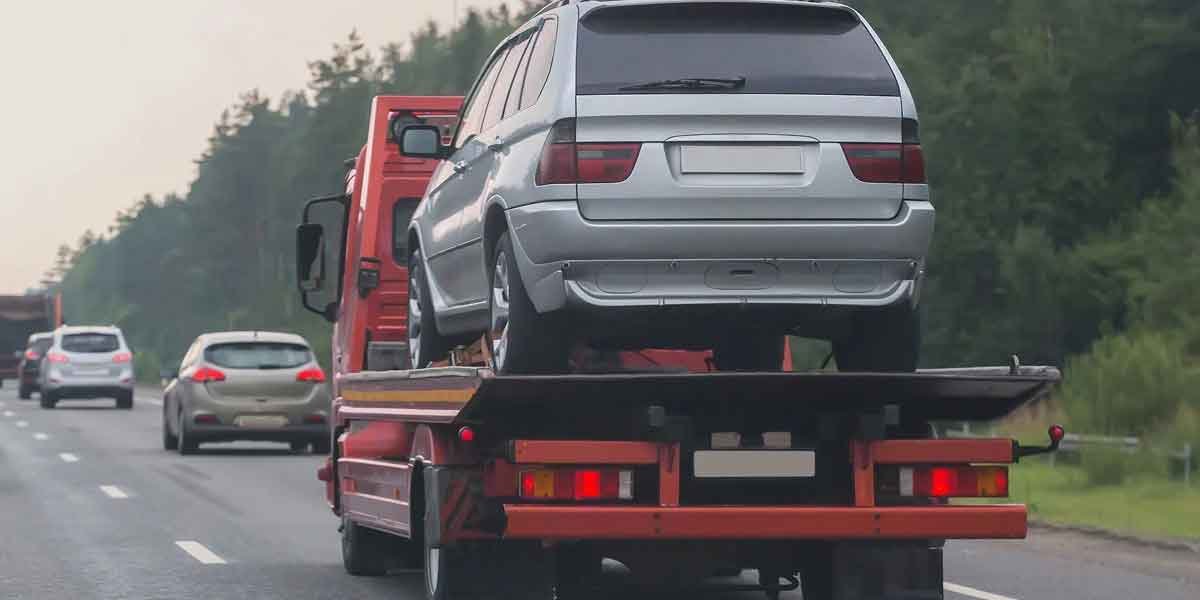
Every tow starts with a hook fee, the flat charge just to dispatch a truck, attach your vehicle, and get moving. From there, a per-mile rate applies. That per-mile charge typically runs between $2 and $7 depending on the region. Simple enough.
The part people miss is that traffic density makes mileage almost irrelevant in dense urban areas. A three-mile tow through downtown during peak hours takes a driver the same time as a fifteen-mile run on an open rural highway. Many operators price accordingly. So a short tow in a congested city can cost more than a longer one in a rural county, not because anyone’s gouging you, but because time is the actual resource being sold.
Storage adds another layer. If your vehicle ends up at an impound lot rather than a shop you’ve chosen, daily storage fees start stacking immediately. Those lots have their own rent to pay, especially in cities where commercial real estate is expensive.
What Drives City-to-City Differences
Local costs like impound space, licensing, and labor are the biggest variable. A tow company in a big metro is just on the hook for more cash outlays than one in a smaller market, and they’re going to tick up the quote to recoup that.
Add in municipal caps on non-consensual tows, the kind where you didn’t ask for the tow truck, a traffic cop or parking lot enforcer did. Not every city or town sets these, but for those that do, consensual tows, where you’re the one calling in the tow, will raise its rates that much more to compensate for the price-limited jobs customers are supposed to pay.
Nashville is a good example of how local conditions shape pricing. Rapid urban growth, increasing traffic congestion, and a rising commercial real estate market have all pushed operating costs higher for tow companies in the city. For anyone looking to understand how much does it cost to tow a car in Nashville, it’s worth factoring in these local market conditions, as rates can vary more than you might expect compared to other cities.
Demand surges compound this. A severe weather event, a heavy snowstorm in northern cities, flash flooding further south, can put every available tow truck in a region into service simultaneously. When equipment is scarce and calls are stacking up, expect rates to climb. This isn’t unique to towing; any service with fixed equipment capacity and unpredictable demand works the same way.
Vehicle Specs That Change the Price Tier
The type of vehicle you drive is an important determinant of the cost of towing services. Firstly, the drivetrain of your car is taken into account. All-wheel-drive vehicles must be towed using a flatbed or a dolly setup, which is more expensive than a wheel-lift tow. Then, the Gross Vehicle Weight Rating also plays a role. Larger trucks and SUVs require a heavier-duty tow truck which, as you may expect, costs more to operate.
Special circumstances cost even more. For example, if your car is stuck in a low-clearance parking garage, extra equipment is necessary for safe extraction. Similarly, if your vehicle needs to be winched out of mud, snow, or a ditch, an additional labor charge will be added to the base tow rate.
Emergency Versus Scheduled Towing
The most actionable distinction most people overlook. If your car broke down ten minutes ago, you’re calling in an emergency and you’ll pay emergency rates. If you know your car needs to go to a shop for a repair you’ve been planning, call ahead.
Pre-scheduled, non-emergency tows often come at a flat discounted rate. The company can route the job efficiently, reduce deadhead miles, and plan it around existing dispatches. You get a better price. They get a better organized day. Ask explicitly whether a scheduled rate is available, many companies won’t volunteer it.
How Insurance and Roadside Assistance Interact With All of This
If you have roadside assistance through your insurance or a member organization, your covered tow will be restricted by a mileage limit. If your destination exceeds that limit, the difference is your responsibility at going rates. Know in advance how far you’re covered while you are not stranded immobilized on a highway shoulder.
The local rate still matters even when you’re covered, because that’s the ceiling for how much of the bill you might be responsible for.
Towing quotes aren’t arbitrary. They’re a reflection of where you are, what you’re driving, when you called, and what the local market looks like. Ask the right questions upfront and most of the confusion disappears before the truck even arrives.