Common Causes of a Freezing Refrigerator
Several mechanical and behavioral factors can cause a refrigerator to become too cold. The most frequent culprits involve airflow restriction, sensor malfunctions, and component failures. Understanding these components helps narrow down the troubleshooting process and prevents unnecessary disassembly.
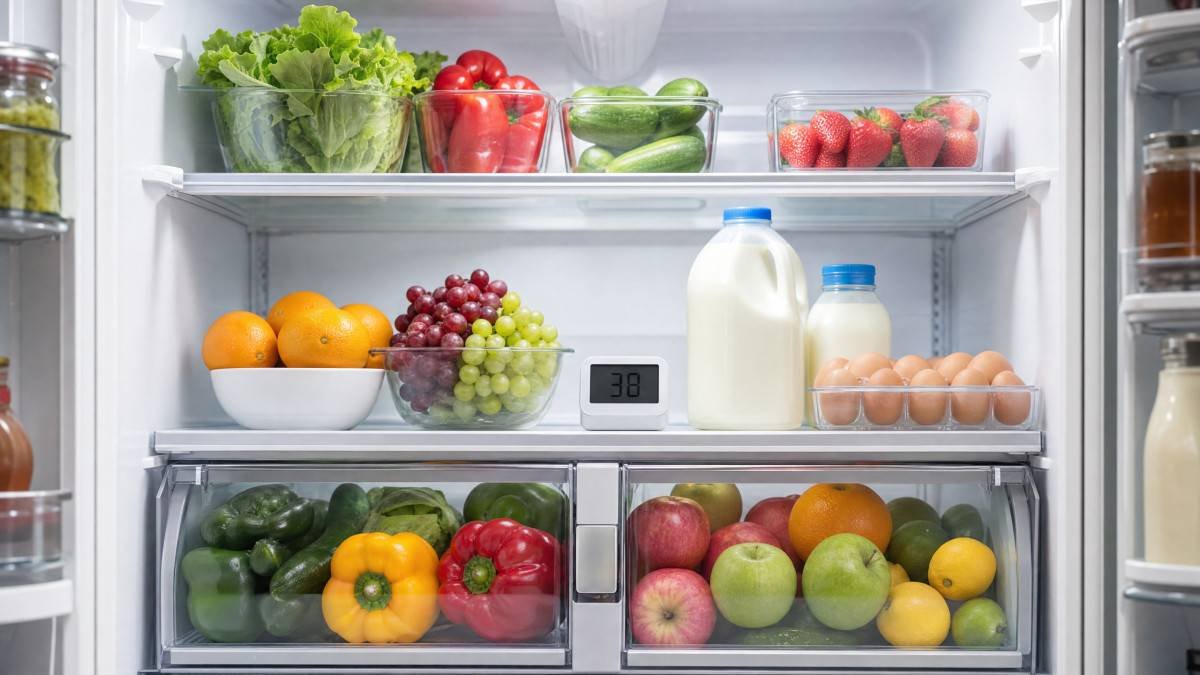
Air circulation plays a critical role in temperature regulation. Refrigerators rely on vents to distribute cold air from the freezer compartment into the fresh food section. When these vents are obstructed by large containers or overstocked shelves, the cold air becomes trapped in concentrated areas. This localized chilling effect often results in frozen items near the back of the unit. Homeowners frequently pack groceries tightly to maximize space, inadvertently creating cold pockets that push temperatures below the safe threshold. The air must flow freely from the top shelves down to the crisper drawers to maintain a uniform temperature throughout the compartment.
Another primary factor is the temperature control system. Mechanical thermostats and electronic control boards dictate when the compressor activates. If the temperature sensor, also known as a thermistor, fails to read the internal climate accurately, it may signal the compressor to run continuously. This constant cooling cycle drives the temperature well below the safe storage threshold. The thermistor’s resistance changes inversely with temperature; as the compartment cools, the resistance increases. A faulty thermistor might send a low resistance signal even when the compartment is already freezing, tricking the control board into believing the refrigerator is too warm. This miscommunication is a leading cause of overcooling and requires precise testing to confirm.
The damper control assembly also plays a pivotal role in temperature management. This motorized door opens and closes to regulate the amount of cold air entering the fresh food compartment from the freezer. If the damper becomes stuck in the open position, an unrestricted flow of sub-zero air floods the refrigerator. This mechanical failure often results from ice buildup around the damper door or a malfunctioning motor. Unlike a faulty thermistor, which causes the compressor to run excessively, a stuck damper allows freezing air to enter even during normal cooling cycles. Diagnosing a damper issue involves inspecting the airflow at the inlet vent while the compressor is running; if the air continues to blast through the vent regardless of the temperature setting, the damper assembly is likely compromised.
How to Troubleshoot Temperature Issues
Troubleshooting a freezing refrigerator begins with the simplest solutions before moving to mechanical testing. Start by verifying the current temperature settings and inspecting the physical layout of the interior. A methodical approach prevents unnecessary disassembly and focuses efforts on the most probable causes. Many temperature issues are resolved through minor adjustments rather than complex repairs.
First, check the control panel or dial. The ideal setting for a fresh food compartment is between 37 and 40 degrees Fahrenheit, according to the U.S. Food and Drug Administration. If the dial is set lower, adjust it to the recommended range and wait 24 hours for the climate to stabilize. For accurate readings, place a glass of water on the middle shelf with a cooking thermometer inside. This method provides a more reliable measurement than testing the air temperature directly, since air temperatures fluctuate rapidly when the door is opened, whereas the water temperature reflects the sustained climate experienced by food items.
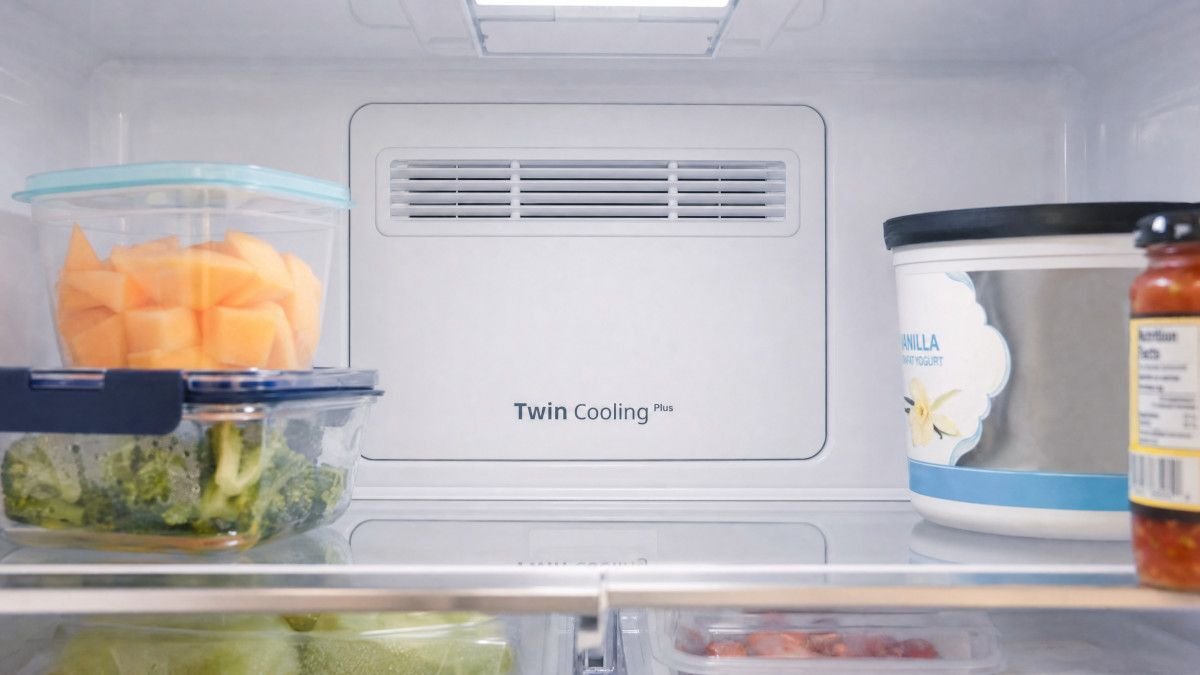
Next, examine the air vents located on the back wall or ceiling of the compartment. Ensure there is at least a two-inch clearance around these vents. Rearrange groceries to promote even airflow, moving sensitive items like leafy greens and eggs away from the direct path of incoming cold air. Heavy, dense items should be placed on the lower shelves, while lighter, more delicate items belong on the upper shelves. This arrangement not only optimizes airflow but also aligns with the natural temperature gradient within the compartment, since cold air sinks and the bottom shelves tend to run slightly cooler than the upper ones.
The condition of the condenser coils also impacts cooling efficiency. Located either beneath or behind the refrigerator, these coils dissipate the heat extracted from the interior. When the coils are coated in dust, pet hair, or grease, their ability to release heat is severely diminished. The compressor must work harder and longer to achieve the desired internal temperature, which can paradoxically lead to overcooling in the fresh food compartment. Cleaning the condenser coils every six months is a crucial maintenance task that improves efficiency and prevents erratic temperature fluctuations. A vacuum attachment or a specialized coil brush is sufficient to remove the accumulated debris.
Advanced Diagnostics and Repairs
If basic adjustments do not resolve the freezing issue, the problem likely stems from a faulty component. Testing these parts requires a basic understanding of appliance mechanics and, in some cases, a multimeter. Safety is paramount during this phase; always disconnect the appliance from the power source before attempting any disassembly or electrical testing.
The temperature sensor is a common point of failure. To test the thermistor, locate it within the refrigerator compartment, usually behind a plastic shield near the air inlet. Using a multimeter, measure the resistance in ohms at room temperature and compare it to the manufacturer’s specifications. A significant deviation indicates a faulty sensor that requires replacement. The testing process can be extended by placing the thermistor in a glass of ice water to simulate a freezing environment. As the temperature drops, the resistance should increase predictably according to the technical data sheet. If the resistance remains static or falls outside the acceptable range, the thermistor is defective. Replacing a thermistor is generally a straightforward procedure involving splicing the new sensor into the existing wiring harness and securing it with wire nuts and heat shrink tubing.
Additionally, inspect the door gaskets. A compromised seal allows warm, humid air to enter the refrigerator, and the appliance compensates by running the compressor more frequently. This can inadvertently freeze items near the cold air inlet. Close a piece of paper in the door; if it pulls out with zero resistance, the gasket is no longer providing an airtight seal. The influx of warm air also introduces excess moisture, which condenses and freezes on the evaporator coils, restricting airflow and forcing the defrost cycle to work overtime. Cleaning the gaskets with warm, soapy water can sometimes restore their pliability, but torn or permanently deformed seals must be replaced entirely.
The main control board serves as the brain of the refrigerator, processing inputs from various sensors and commanding the compressor, fans, and defrost heater. If the thermistor and damper assembly test positive for proper function, the control board may be the underlying cause of the freezing issue. A malfunctioning board might misinterpret the thermistor’s signal or fail to send the voltage required to close the damper door. Visual inspection of the board may reveal burnt components, swollen capacitors, or damaged solder joints. If these signs are present, replacing the control board is the only viable solution and typically requires professional assistance to ensure the new board is wired correctly.
Preventing Food from Freezing in Crisper Drawers
Crisper drawers are designed to maintain specific humidity levels, but they are not immune to freezing temperatures. Proper management of these compartments protects delicate produce from frost damage. The unique microclimate within these drawers requires careful attention to both temperature and moisture control.
Adjust the humidity sliders based on the contents. Leafy greens require high humidity, which means closing the vent to trap moisture. Conversely, fruits like apples and pears benefit from low humidity with the vent open. If the overall refrigerator temperature is too low, the moisture trapped in a high-humidity drawer can quickly turn to ice. Monitoring the condensation levels provides a visual indicator of the internal climate; if ice crystals begin to form on the drawer’s surface, the overall refrigerator temperature must be increased, or the humidity slider must be adjusted to allow more airflow.
Avoid storing water-rich vegetables at the very back of the bottom shelf, as this area is often the coldest zone in the appliance. Keeping the drawers moderately full, rather than densely packed, also helps maintain a stable microclimate. The physical mass of the produce acts as a thermal buffer against sudden influxes of cold air. However, overpacking restricts the necessary airflow, leading to uneven cooling and potential freezing in the corners. Regularly rotating the contents and removing any spoiled items ensures that the remaining produce benefits from optimal storage conditions.
Frequently Asked Questions
Why is my fridge freezing food on the lowest setting?
If the refrigerator is freezing food even on the warmest or lowest cooling setting, the temperature sensor or the main control board is likely defective. The system is failing to recognize that the target temperature has been reached, causing the compressor to run continuously. This mechanical failure overrides the manual settings, requiring diagnostic testing of the thermistor and the control board to identify the exact point of failure. Replacing the faulty component restores the communication between the sensor and the compressor, allowing the appliance to regulate the temperature accurately.
Why does food only freeze at the back of the fridge?
Food freezes at the back of the refrigerator because it is positioned too close to the cold air inlet vents. The air entering from the freezer is significantly colder than the rest of the compartment. Blocking these vents traps the cold air, freezing nearby items. Rearranging groceries to ensure a two-inch clearance around the vents promotes even distribution of the cold air and prevents localized freezing along the back wall.
Can an ice maker cause the fridge to freeze food?
Yes, an ice maker that is turned on but disconnected from a water supply will continuously attempt to cycle. This process draws excessive cold air into the fresh food compartment, lowering the overall temperature and freezing groceries. When no water is present, the cycle continues indefinitely. Switching the ice maker to the off position or connecting it to a water line resolves this issue and stabilizes the refrigerator’s internal climate.
How do door gaskets influence the internal temperature?
A compromised door gasket allows warm, humid air to enter the refrigerator. The appliance compensates by running the compressor more frequently, which can inadvertently freeze items near the cold air inlet. The influx of warm air also introduces excess moisture, which condenses and freezes on the evaporator coils, restricting airflow. Closing a piece of paper in the door tests the seal; if it pulls out with zero resistance, the gasket must be replaced to restore optimal cooling efficiency.
What happens if the damper control assembly gets stuck?
If the damper control assembly becomes stuck in the open position, an unrestricted flow of sub-zero air from the freezer floods the fresh food compartment. This causes uniform freezing across all shelves regardless of the thermostat setting. The failure often results from ice buildup around the damper door or a burnt-out motor. Inspecting the airflow at the inlet vent while the compressor is running can confirm the diagnosis; a continuous blast of cold air despite a warm temperature setting points directly to a stuck damper that requires replacement.
Conclusion
A refrigerator that runs too cold and freezes fresh food is a problem that spans a wide range of causes, from simple organizational habits to mechanical component failures. The most effective approach starts with the basics: checking the temperature setting, clearing the air vents, and inspecting the door gaskets. These steps resolve the majority of freezing complaints without requiring any tools or professional intervention. When the problem persists, targeted testing of the thermistor, damper assembly, and condenser coils provides the diagnostic clarity needed to identify the failing part.
Proper refrigerator maintenance is not a one-time task. Cleaning the condenser coils twice a year, organizing groceries to promote airflow, and periodically testing the door seals are habits that significantly extend the lifespan of the appliance and prevent recurring temperature issues. A refrigerator that maintains a stable 38 degrees Fahrenheit protects the nutritional quality of fresh food, reduces energy consumption, and avoids the costly cycle of premature repairs. Treating these early warning signs with the attention they deserve keeps the appliance running reliably for years to come.