Mobility scooters come in different types, and the number and placement of wheels can vary, making scooters more or less maneuverable. Three-wheel scooters have a different layout, which can make them easier to maneuver in some environments, while four-wheel models are built for stability. Understanding these differences can help riders choose the style that best fits their everyday needs.
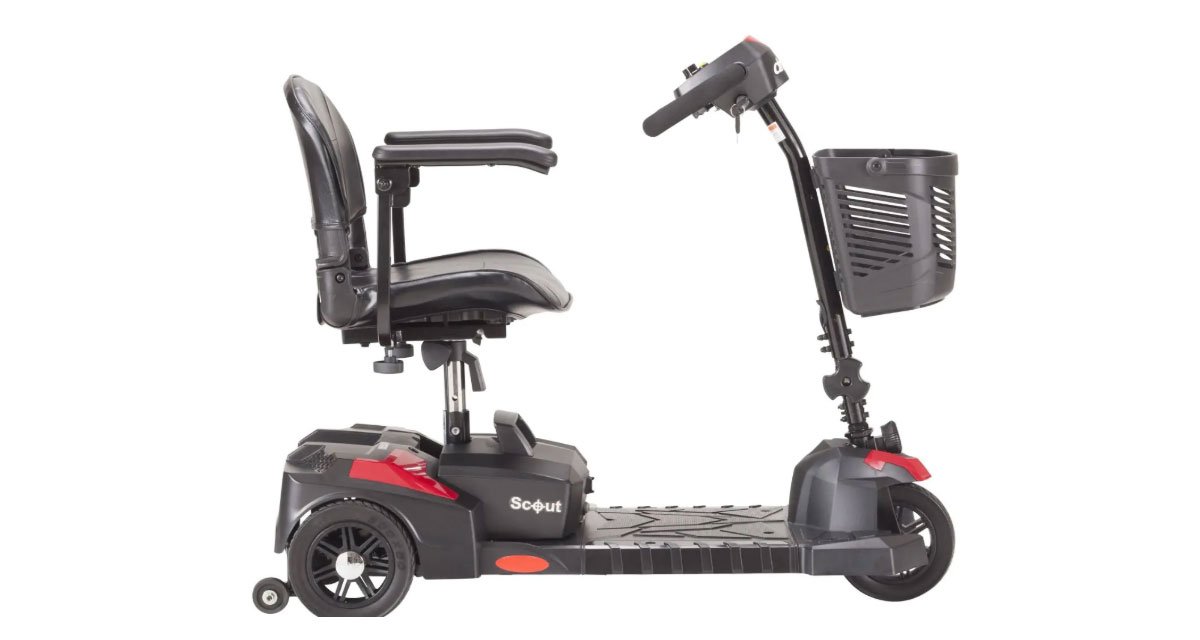
A three-wheeled scooter typically has two wheels in the back and one in the front. This arrangement gives a different turning pattern and overall footprint than a four-wheeled vehicle. As a result, three-wheel scooters are often associated with improved maneuverability and reduced turning space, though the experience may vary by model.

The right choice depends on the scooter’s location and purpose. Requirements can differ for indoor spaces, narrow hallways, shopping areas, sidewalks, and outdoor paths. This manual explains the features that differentiate the three-wheel scooter from other mobility scooters and those that influence its day-to-day operation.
A Three-Wheel Design ProvidesATighter Turning Radius
Generally, a 3 wheel scooter has a smaller turning radius than a 4-wheeled one, which makes it easier to maneuver in tight spaces. The single front wheel lets the scooter pivot more tightly around its front end, which can be useful when navigating narrow spaces.
For example, if a rider is going down a hallway or between furniture, there may not be much room to move. A tighter turning radius can mean fewer steering adjustments are needed to change direction.
The design is also suitable for indoor environments such as shopping centers, stores, and malls where aisles and pathways can be relatively narrow. However, a three-wheeled scooter’s turning ability depends on its dimensions, steering geometry, and wheelbase. So, not all three-wheeled designs will have the same handling characteristics.
The Front Wheel Changes HowTheScooter Handles
The single front wheel gives a three-wheel scooter a different steering response from scooters with two front wheels. The front wheel turns the scooter through the turn, and the rear wheels provide support when the rider turns the tiller.
This configuration can improve responsiveness to directional changes at lower speeds. Riders can often position the scooter more easily when approaching a chair, doorway, counter, or other nearby object.
However, Riders will also need to learn to read the scooter’s reactions to their actions due to the sensitive steering. If you’re a first-time user, practice in an open, safe area before going into confined or busy spaces.
Its Stability DiffersFromA Four-Wheel Configuration
The most obvious structural difference between three-wheel and four-wheel scooters is the number of contact points. The three-wheel model has one front wheel and two rear wheels, while the four-wheel design has two front wheels and two rear wheels.
That difference could affect how the scooter feels when you turn or go over bumps. Four-wheel versions may provide a more stable ride for riders who often ride on uneven outdoor terrain, while three-wheel models may feel more nimble.
Of course, neither setup is necessarily right for every rider. The right design depends on the manufacturer’s specifications, the rider’s preferences, and the terrain and intended environment.
Riders shouldn’t assume a particular wheel setup makes a scooter good for any surface; instead, they should follow the recommended speed and terrain limits.
Weight Distribution Impacts Riding Experience
The setup of the wheels and other parts affects weight distribution on a three-wheeled scooter. The battery, motor, seat, frame, and rider all affect the scooter’s balance.
Manufacturers design these components to work together, but the ride experience may still be different from one model to the next. A heavier or longer-wheelbase scooter may feel different from a lightweight, compact model.
Rider weight is also very important. All scooters have an upper weight limit, and staying within it will help ensure the scooter performs as intended.
Storage should be considered as well. Heavy bags or other items can affect handling, so follow the manufacturer’s weight recommendations and use the designated storage areas.
Three-Wheel Scooters are Easier toManeuverIndoors
Many three-wheeled scooters have a compact front-end design that makes them particularly well-suited for indoor use compared to other scooter designs. The front section can take up less space with one front wheel instead of two, and the tighter turning radius can make steering easier in tight quarters. It can help riders maneuver rooms, hallways, elevators, stores, and other places where there isn’t enough room to make wide turns.
The difference is more obvious around furniture and other obstacles. When you get to a table, counter, chair, or doorway, there isn’t much room to move around, so a 3-wheel scooter can make it easier to change direction. A three-wheeled model may require less room to turn than many four-wheeled scooters, which have a wider front base. This can be especially helpful for those who often use a scooter at home or in indoor public areas.
But a compact design doesn’t mean all three-wheeled scooters will easily fit into every indoor environment. Scooter sizes vary by model, so overall length and width still matter when you’re deciding where the scooter will be used. Measure doorways, hallways, elevators, storage areas, and other areas that will be used frequently before you buy. Measure your rooms and compare this to the scooter’s dimensions so you don’t have problems when moving between rooms or storing the scooter at home.
Easier to Transport
While some mobility scooters are larger, many three-wheeled scooters have a more compact build, making them easier to transport. Depending on the model, a three-wheeled scooter is easier to put in a vehicle, move from place to place, or store away when not in use. This can make transport a big consideration for those who don’t use their scooter exclusively at home.
This portability is especially useful for riders who commute by car and need to take their scooter to shopping centers, appointments, or other destinations. Some 3-wheel scooters can be disassembled into smaller units, and some can be transported with the right vehicle lifts or transportation equipment. How you do this depends on the scooter’s design and the manufacturer’s recommendations.
However, not all three-wheeled scooters are portable, but most are easier to transport than others. Mobility scooters come in various sizes and weights, and some 3-wheeled models are made for longer distances rather than frequent transport. Before choosing a model, riders should consider the scooter’s total weight, removable parts, size when folded or disassembled, and the recommended transport method.
Conclusion
Two major differences between a 3-wheel scooter and other mobility scooters are weight distribution and its impact on maneuverability; a single front-wheel turning radius makes 3-wheel mobility scooters easier to maneuver in tight spaces.
However, wheel design involves more than the number of wheels. Size, weight distribution, suspension, seat design, dimensions, and terrain are also important performance factors. Compare these characteristics with your daily activity, and you’ll know what kind of scooter will give you the support and manoeuvrability that you need.