Gardening is a timeless pursuit that offers both nutritional rewards and therapeutic benefits, yet the physical demands of traditional in-ground gardening can be a significant barrier for many enthusiasts. The repetitive bending, kneeling, and heavy lifting often lead to back strain and joint pain, particularly for seniors or individuals with limited mobility. Fortunately, the emergence of waist-high raised garden bed plans has revolutionized the way we approach backyard cultivation. By elevating the growing surface to a comfortable working height, these ergonomic structures allow gardeners to tend to their plants while standing or sitting, transforming a potentially strenuous task into a pleasurable and accessible hobby. Whether you are working with a spacious backyard or a compact urban balcony, building an elevated planter box provides a controlled environment where vegetables, herbs, and flowers can thrive without the physical toll on your body.
The Benefits of Ergonomic Gardening with Waist High Beds
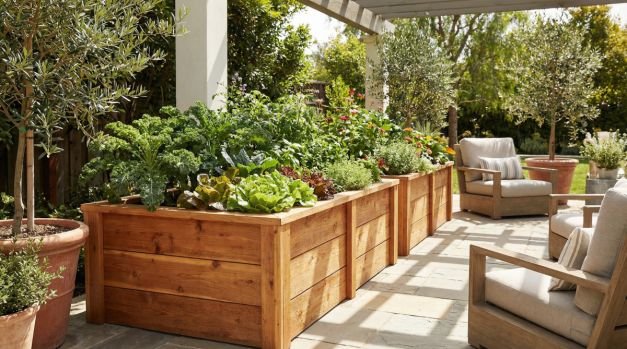
Waist-high raised garden bed plans eliminate the need for bending, kneeling, or crouching, making gardening accessible for seniors and those with mobility issues. These elevated structures provide superior soil control, improved drainage, and a natural barrier against common ground-level pests like slugs and rabbits. By bringing the garden up to a comfortable working height of 30 to 40 inches, you can maintain better posture and reduce the risk of repetitive motion injuries during planting and harvesting.
Beyond the obvious physical advantages, elevated beds offer unparalleled control over the growing environment. Traditional gardens are often at the mercy of native soil conditions, which may be compacted, rocky, or nutrient-poor. In contrast, a waist-high bed allows you to fill the container with a customized, high-quality soil mix tailored to the specific needs of your crops. This precision leads to healthier root systems and higher yields in a smaller footprint. According to Frame It All (2023), the improved aeration and drainage inherent in raised designs prevent waterlogging and root rot, which are common issues in ground-level plots. Furthermore, the elevation acts as a defensive perimeter; most common garden pests, including many crawling insects and small mammals, find it significantly more difficult to access your produce when it is situated three feet above the ground.
Essential Materials and Tools for Your DIY Elevated Planter
Building a durable waist-high garden bed requires rot-resistant lumber such as Western Red Cedar or Redwood, along with galvanized hardware to prevent rust. Essential tools include a miter saw for precise cuts, a power drill for assembly, and a level to ensure the structure remains stable on uneven surfaces. Selecting the right materials is the most critical step in ensuring your garden bed lasts for many seasons, especially when it is subjected to constant moisture and soil pressure.
The choice of wood significantly impacts both the cost and the longevity of your elevated garden. While untreated pine or fir is a more budget-friendly option, these woods tend to decay within three to five years when in direct contact with damp soil. For a more permanent solution, Western Red Cedar and Redwood are highly recommended due to their natural resistance to rot and insect infestation. According to Craftcamp (2025), these woods can last 15 to 20 years without chemical treatment, making them a safer choice for growing edible vegetables. If you choose to use pressure-treated lumber, it is essential to line the interior with a heavy-duty landscape fabric or food-safe plastic to prevent any potential chemical leaching into your soil.
| Wood Type | Lifespan | Food Safe? | Relative Cost |
|---|---|---|---|
| Western Red Cedar | 15-20 Years | Yes | High |
| Redwood | 15-20 Years | Yes | Very High |
| Douglas Fir | 5-10 Years | Yes | Medium |
| Untreated Pine | 3-5 Years | Yes | Low |
| Pressure-Treated | 20+ Years | No (Avoid for Edibles) | Medium |
In addition to the lumber, the hardware you select must be corrosion-resistant. Galvanized or stainless steel screws are preferred over standard zinc-plated ones, which will rust quickly in an outdoor environment. For the bottom of the planter, a 1/4-inch galvanized hardware cloth or chicken wire can be used to provide structural support for the soil while allowing for excellent drainage. This combination of high-quality wood and durable hardware ensures that your waist-high garden bed remains a stable and productive part of your landscape for a decade or more.
Step-by-Step Construction Guide for Waist High Garden Beds
The construction process begins with building a sturdy leg assembly, followed by assembling the planter box frame and securing it to the base. It is critical to include internal supports for beds longer than six feet and to drill adequate drainage holes in the bottom to prevent waterlogging and root rot. Following a systematic approach ensures that the finished product is both structurally sound and aesthetically pleasing, providing a reliable platform for your gardening activities.
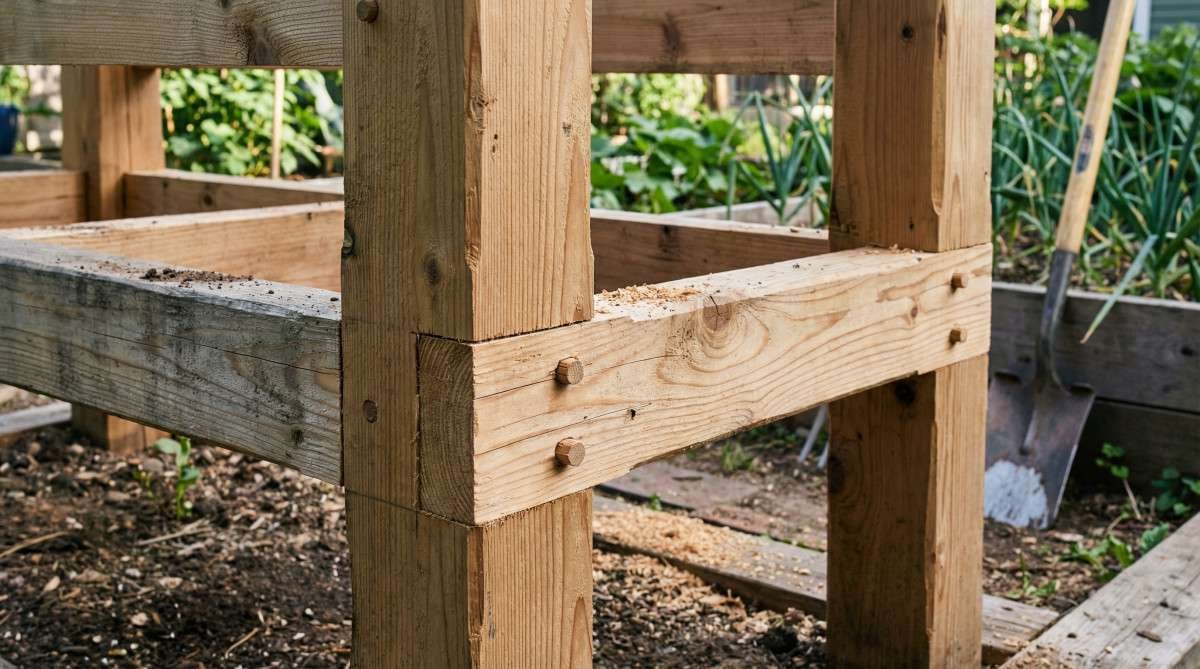
The foundation of any waist-high garden bed is the leg assembly, which must support the significant weight of wet soil. For a standard 4×4 or 2×6 foot bed, 4×4 cedar posts are ideal for the legs, while 2×4 lumber can be used for the horizontal braces that join the legs together. It is important to use a framing square to ensure all corners are perfectly right-angled before driving in your screws. According to MyOutdoorPlans (2016), pre-drilling pilot holes is a necessary step to prevent the wood from splitting, especially when working near the ends of the boards. Once the base is assembled, the planter box is constructed using 1×8 or 2×8 cedar planks, which are then secured to the legs using heavy-duty lag bolts or structural screws for maximum stability.
After the frame and legs are joined, the focus shifts to the floor of the planter. To support the soil without bowing, the bottom should be reinforced with 2×4 joists spaced every 12 to 16 inches. These joists provide the necessary strength to hold several hundred pounds of soil and water. The final touches include adding a top cap or trim, which not only gives the bed a professional, finished look but also provides a convenient ledge for resting tools or seed packets. Before adding any soil, double-check the stability of the entire structure and ensure it is perfectly level, as an unlevel bed will cause water to pool on one side, potentially leading to uneven growth and localized rot.
Advanced Tips for Soil Mix and Drainage Management
A successful elevated garden relies on a lightweight soil mix, typically consisting of 40% compost, 40% peat moss, and 20% perlite or vermiculite, to reduce weight on the structure. Proper drainage is achieved by lining the bed with landscape fabric and ensuring a 1/2-inch gap between bottom slats or dedicated drainage holes. By carefully managing the weight and water flow within your waist-high garden bed, you can significantly extend its lifespan and improve the health of your plants.
The primary challenge of a waist-high garden bed is the weight of the soil, which can easily reach several hundred pounds when fully saturated. To mitigate this, a lightweight growing medium is essential. According to Craftcamp (2025), a mix of compost, peat moss, and perlite provides a nutrient-rich, well-aerated environment that is significantly lighter than standard garden soil. This mixture also retains moisture more effectively, which is crucial for elevated beds that tend to dry out faster than in-ground plots. For beds that are deeper than 12 inches, you can further reduce weight by filling the bottom few inches with lightweight materials like clean, untreated wood chips or plastic nursery pots turned upside down, a technique often referred to as “hugelkultur” in a container.
Drainage is the second most critical factor in soil management. Without adequate drainage, water will collect at the bottom of the bed, leading to anaerobic conditions and root rot. To ensure proper water flow, it is recommended to leave small gaps between the bottom slats or drill 1/2-inch drainage holes every six inches across the base. Lining the interior with landscape fabric is a vital step, as it prevents the fine soil particles from washing out through the drainage holes while still allowing water to pass through freely. This simple addition keeps your patio or deck clean and ensures that your plants always have access to the oxygen they need for healthy growth.
Frequently Asked Questions About Waist High Garden Plans
How high should a raised garden bed be for a senior?
The ideal height for a senior’s raised garden bed is typically between 30 and 36 inches, which aligns with standard kitchen counter height and allows for comfortable gardening while standing or sitting in a chair. This height eliminates the need for bending and kneeling, significantly reducing strain on the back and joints.
What is the best height for a waist-high garden bed?
The best height for a waist-high garden bed is usually between 32 and 40 inches, depending on the height of the gardener. For most adults, a 36-inch bed provides a perfect working surface that prevents slouching and allows for easy access to all parts of the planter box.
How do you build an elevated garden bed for seniors?
To build an elevated garden bed for seniors, focus on using sturdy 4×4 posts for the legs, 2×6 or 2×8 rot-resistant cedar for the box, and ensuring the width does not exceed 30 inches to allow for easy reach from one side. Adding a wide top ledge can also provide a comfortable place for seniors to rest their arms or sit while gardening.
What are the best materials for a waist-high raised bed?
The best materials for a waist-high raised bed are Western Red Cedar or Redwood for the wood components due to their natural rot resistance and durability. For hardware, use galvanized or stainless steel screws and bolts to prevent corrosion from moisture and soil contact over time.
Can you build a waist-high garden bed from pallets?
Yes, you can build a waist-high garden bed from pallets, but it is essential to ensure the wood is heat-treated (marked “HT”) rather than chemically treated (marked “MB”) to ensure it is safe for growing food. Pallet wood is often thinner, so you may need to double the boards or add extra internal bracing to support the weight of the soil.
Do waist-high garden beds need drainage holes?
Yes, waist-high garden beds absolutely need drainage holes or gaps between the bottom slats to prevent water from pooling at the base. Without proper drainage, the soil will become waterlogged, leading to root rot and a significantly shorter lifespan for the wooden structure.
Conclusion
Building a waist-high raised garden bed is a rewarding DIY project that combines ergonomic design with the joy of home-grown produce. By following a well-structured plan and using durable, rot-resistant materials like cedar or redwood, you can create a beautiful and functional garden that serves you for many years. Whether you are a senior looking to continue your gardening passion without the physical strain or a homeowner with limited space, these elevated beds offer a perfect solution for sustainable, accessible, and highly productive gardening. With the right soil mix and proper drainage, your new elevated garden will become a thriving centerpiece of your outdoor living space.