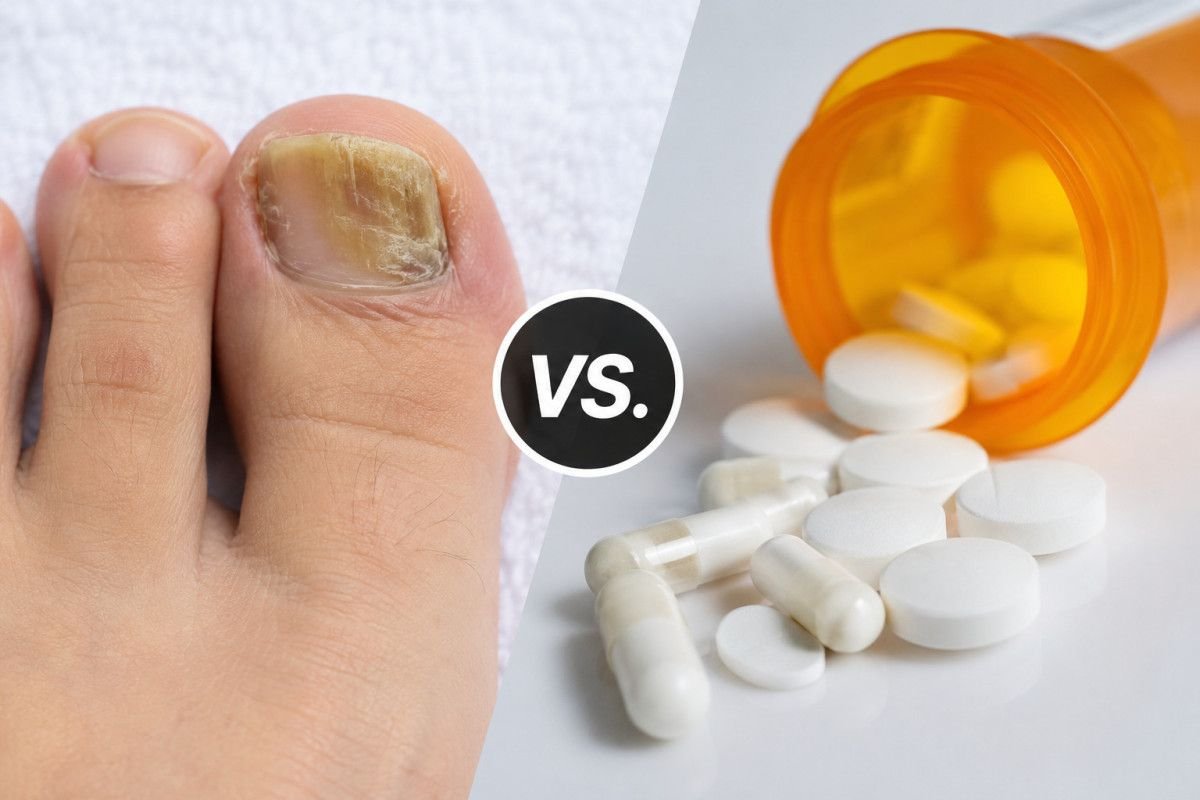
Toenail fungus is a common condition that develops gradually, often causing nails to become thick, brittle, yellow, or white. While it is not usually a serious health concern, it can be frustrating because it tends to improve slowly. People looking for the best toenail fungus treatment often discover that there is no single solution that works for everyone. The right approach depends on factors such as the severity of the infection, overall health, and personal preferences.
Both topical and oral treatments are commonly used to manage nail fungus. Each option works differently and comes with its own advantages and considerations. Understanding these differences can help you have a more informed discussion with a healthcare professional before deciding which treatment may be appropriate.
Quick Comparison Table
| Feature | Topical Formula | Oral Treatment |
| Application | Applied directly to the affected nail | Taken by mouth |
| Best Suited For | Mild to moderate nail fungus | Moderate to severe infections |
| Availability | Prescription and non-prescription options | Usually prescription only |
| Treatment Duration | Several months | Several weeks to a few months |
| Side Effects | Usually limited to the application area | May affect the liver or interact with medications |
| Monitoring | Minimal | May require medical supervision |
How Topical Treatments Work
Topical treatments are designed to be applied directly to the infected nail and surrounding skin. Their purpose is to target the affected area while allowing healthy nail growth over time. Since toenails grow slowly, even successful treatment usually requires patience and consistent use before noticeable improvements appear.
When researching topical options, you may come across this topical formula for nail fungus along with other products that use different ingredients and application methods. One example is H-Nail Fungus Formula, a plant-based topical option that is discussed alongside other non-prescription approaches. Comparing different formulations can help readers understand how topical care varies from one product to another.
How Oral Treatments Differ
Unlike topical products, oral antifungal medications work from inside the body. After being prescribed by a healthcare provider, the medicine travels through the bloodstream to reach the infected nail as it grows. Doctors often consider oral treatment when several nails are affected or when the infection extends deep beneath the nail.
Some people comparing available options may also read about Amoils H-Nail Fungus Formula while exploring topical alternatives. Although topical and oral treatments work differently, they share the same goal of supporting healthier nail growth over time. The choice between them often depends on the extent of the infection, medical history, and the guidance of a healthcare professional.
Factors to Consider Before Choosing a Treatment
No single treatment is right for everyone. Mild infections may be managed with topical products, while more advanced cases sometimes require prescription medication. Existing health conditions, current medications, pregnancy, and lifestyle factors can all influence which option is most appropriate.
People interested in naturally inspired products may notice brands such as Healing Natural Oils during their research. Rather than focusing only on product names, it is helpful to compare ingredients, directions for use, expected treatment timelines, and available clinical guidance. Understanding these factors provides a more balanced view of the treatment options available.
Recovery Takes Time
Whether you choose a topical formula or an oral medication, healthy nail growth is gradual. Toenails often need several months to grow out completely, so visible improvement rarely happens overnight. Consistency with treatment and good foot hygiene are important parts of the recovery process.
Keeping feet dry, wearing breathable shoes, disinfecting nail tools, and treating athlete’s foot promptly may help reduce the chance of reinfection. Comparing progress with reliable nail fungus pictures can also help you understand how nails typically improve during treatment rather than expecting immediate cosmetic changes.
Conclusion
Choosing between a topical formula and oral medication depends on the severity of the infection, your medical history, and your healthcare provider’s advice. Each approach has benefits and limitations, and successful treatment often requires patience because toenails grow slowly.
As you compare different options, you may also encounter H-Nail Fungus Formula by Amoils among the topical products available for nail care. Regardless of the treatment selected, maintaining realistic expectations, following the recommended instructions, and practicing good foot hygiene are all important steps toward healthier-looking nails over time.