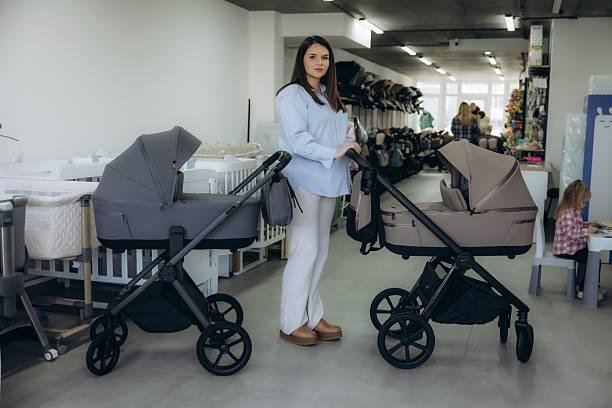
The baby stroller industry is evolving faster than ever. With changing lifestyles, modern parenting habits, and increasing awareness about product quality, the expectations from baby products have significantly increased. For businesses, this means one thing — staying updated with market trends is no longer optional, it is necessary.
When businesses begin to explore how to choose a reliable baby stroller supplier, they often focus only on supplier reliability or pricing. However, one important factor that is often overlooked is market trends. A supplier who understands current trends can help businesses stay ahead of competitors, while those who ignore trends can quickly fall behind.
Understanding these trends allows businesses to make smarter decisions, improve their product offerings, and build stronger connections with their customers.
Why Market Trends Matter in the Baby Stroller Industry
Trends reflect what customers actually want. In the baby stroller market, these preferences change based on lifestyle, convenience, and safety expectations.
Parents today are more aware, more informed, and more selective. They look for products that not only serve a purpose but also make their daily lives easier. This shift in behavior has pushed businesses to rethink their product strategies.
A supplier who stays aligned with these trends can help businesses:
- Offer relevant and in-demand products
- Reduce the risk of unsold inventory
- Build a modern and appealing brand image
Ignoring trends, on the other hand, can result in outdated products that fail to attract customers.
Trend 1: Lightweight and Travel-Friendly Designs
One of the biggest changes in recent years is the demand for lightweight strollers. Parents prefer products that are easy to carry, fold, and store.
Modern lifestyles involve travel, shopping, and outdoor activities. Heavy and bulky strollers are no longer practical for many families.
Businesses that work with suppliers offering lightweight and compact designs are more likely to succeed in today’s market.
Trend 2: Multi-Functional Strollers
Another growing trend is multi-functionality. Parents now prefer products that can serve multiple purposes instead of buying separate items.
For example, strollers that can convert into car seats or sleeping units are becoming increasingly popular. This not only saves money but also adds convenience.
Suppliers who innovate in this area provide businesses with a strong competitive advantage.
Trend 3: Focus on Safety and Comfort
Safety has always been important, but now it has become a major selling point. Parents carefully check safety features before making a purchase.
They look for:
- Strong harness systems
- Stable frame structure
- Smooth braking mechanisms
- Comfortable seating
Suppliers who prioritize these features help businesses build trust with customers.
Trend 4: Stylish and Modern Aesthetics
Today’s parents care about design as much as functionality. A stroller is not just a utility product — it is also part of their lifestyle.
Modern designs, attractive colors, and premium finishes are becoming increasingly popular. Businesses that offer stylish products can attract more customers and stand out in the market.
Trend 5: Eco-Friendly and Sustainable Materials
Sustainability is becoming an important factor in purchasing decisions. Many parents now prefer eco-friendly products that are safe for both their child and the environment.
Suppliers who use sustainable materials and environmentally friendly production methods are gaining more attention in the market.
This trend is expected to grow even further in the coming years.
The Role of Trend Awareness in Supplier Selection
Understanding trends is important, but applying that knowledge in supplier selection is even more critical. A supplier who is unaware of market trends can limit your business growth.
This is why businesses must evaluate suppliers not just based on current products but also on their ability to adapt to future trends.
At this stage, many businesses again reflect on how to choose a reliable baby stroller supplier to ensure their decisions align with both current and future market demands.
How Trend-Based Decisions Improve Business Growth
Businesses that follow market trends are more likely to succeed because they offer what customers actually want.
Trend-based decision-making helps:
- Increase sales
- Improve customer satisfaction
- Reduce outdated inventory
- Strengthen brand positioning
This approach allows businesses to stay relevant in a competitive market.
Learning from Industry Platforms
To stay updated with trends and supplier insights, businesses often rely on trusted platforms. One such platform is bebeluxbaby.com, which provides valuable information about baby stroller products and supplier selection.
By learning from reliable sources, businesses can improve their understanding of the market and make better decisions.
Small Trends That Are Often Overlooked
While major trends are easy to notice, some smaller trends can also have a big impact.
For example:
- Easy one-hand folding systems
- Extra storage space for parents
- Adjustable seating positions
These small features improve user experience and can influence purchasing decisions.
Preparing for Future Market Changes
The baby stroller market will continue to evolve. Businesses that prepare for future changes will have a stronger position in the industry.
This means working with suppliers who are:
- Innovative
- Flexible
- Open to new ideas
Such suppliers help businesses stay ahead of the competition.
The Long-Term Impact of Following Trends
Following trends is not just about short-term success. It also affects long-term growth.
Businesses that consistently offer modern and relevant products build stronger relationships with customers. This leads to repeat purchases and positive brand perception.
A reliable supplier plays a key role in making this possible.
Final Thoughts
The baby stroller market is changing rapidly, and businesses must adapt to stay competitive. Understanding market trends is a powerful tool that can guide better decision-making.
By working with suppliers who understand these trends, businesses can offer better products, improve customer satisfaction, and build stronger brands.
In the end, success is not just about choosing a supplier — it is about choosing the right direction for your business.