Planning a trip to Incheon, South Korea’s vibrant port city, promises an exciting blend of modern attractions, rich history, and coastal beauty. Whether you’re stopping over on your way to Seoul or making Incheon your primary destination, this guide will help you maximize your experience in this dynamic city.
Choose the Right Accommodation for Your Needs
Your choice of where to stay can significantly impact your Incheon experience. If you have an early morning flight or a long layover, staying at an 인천공항 호텔 offers unmatched convenience with direct access to the airport terminals and comfortable amenities designed for travelers. These properties typically feature soundproof rooms, 24-hour services, and quick transit connections.
For those planning to explore the city extensively, consider accommodations in the Songdo International Business District or near Chinatown in Jung-gu. These areas provide excellent access to major attractions while offering diverse dining and entertainment options within walking distance.
Time Your Visit to Experience Incheon’s Best
Incheon shines brightest during spring (April to June) and fall (September to November) when the weather is mild and comfortable for outdoor exploration. Spring brings cherry blossoms that transform the city’s parks into pink wonderlands, while autumn offers crisp air and stunning foliage.
Summer can be hot and humid with occasional monsoon rains, but it’s also when the beaches come alive with festivals and water activities. Winter, though cold, offers fewer crowds and the chance to experience Korean winter culture, including warming street food and seasonal celebrations.
Navigate the City Like a Local
Getting around Incheon is remarkably easy thanks to its efficient public transportation system. The subway connects major districts and links directly to Seoul, making day trips effortless. Purchase a T-money card at any convenience store for seamless travel across buses, subways, and even taxis.
The Airport Railroad Express (AREX) provides the fastest connection between the airport and various city districts. For shorter distances, Incheon’s bus system is comprehensive and affordable, though route information in English can sometimes be limited. Don’t hesitate to use taxi services for late-night travel or when carrying luggage, as they’re reasonably priced and drivers increasingly use translation apps.
Explore Beyond the Typical Tourist Trail
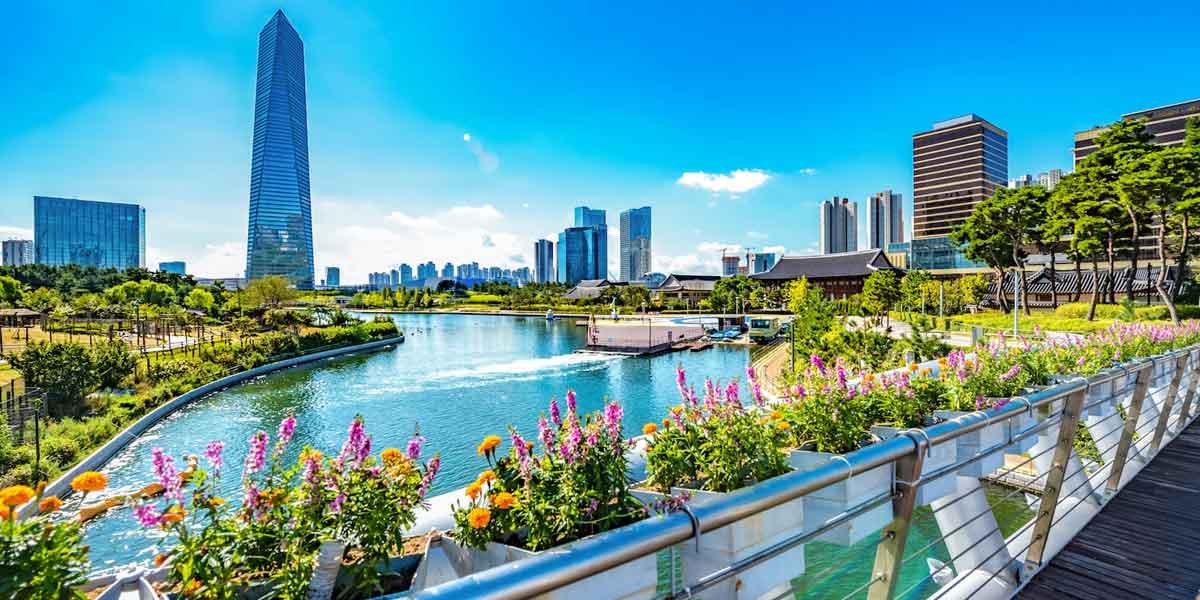
While Chinatown and Wolmido Island are must-visit destinations, Incheon offers hidden gems that many visitors overlook. The Songdo Central Park features a unique seawater canal where you can rent water taxis for a romantic cruise through the urban landscape. The surrounding architecture showcases Korea’s vision for sustainable city design.
Visit the Incheon Art Platform, a renovated warehouse district that now hosts galleries, studios, and performance spaces. This creative hub offers a glimpse into Korea’s contemporary art scene and frequently hosts free exhibitions and cultural events. The nearby Open Port Area preserves historic buildings from the late 19th century, telling the story of Korea’s opening to international trade.
Savor Incheon’s Unique Culinary Scene
Incheon’s food culture reflects its history as a port city with diverse international influences. The Chinatown area serves authentic jajangmyeon, a Korean-Chinese black bean noodle dish that originated here. Don’t leave without trying this local specialty at one of the traditional restaurants that have perfected the recipe over generations.
Seafood lovers should head to Yeonan Pier or Sorae Fish Market for the freshest catches. Many restaurants here allow you to select live seafood that’s prepared immediately. The Sinpo International Market is another culinary paradise where you can sample dakgangjeong (sweet and crispy chicken) and sundae (Korean blood sausage) while soaking in the bustling market atmosphere.
Respect Local Customs and Etiquette
Understanding Korean cultural norms will enhance your interactions and show respect for local traditions. Remove your shoes when entering homes, traditional restaurants, or temple buildings. When receiving items or shaking hands with elders, use both hands as a sign of respect.
Korean dining etiquette includes waiting for the eldest person to begin eating first and not leaving your chopsticks standing upright in rice. Tipping is not expected or practiced in Korea, as good service is considered standard. Learning a few basic Korean phrases like “annyeonghaseyo” (hello) and “gamsahamnida” (thank you) goes a long way in creating positive connections.
Plan for Practical Essentials
Ensure your trip runs smoothly by addressing practical matters before arrival. Korea requires a valid passport, and many nationalities can enter visa-free for tourism. The country operates on 220V electricity, so bring appropriate adapters for your devices.
Korea is increasingly cashless, but having some Korean won for traditional markets and small vendors is wise. ATMs are widely available, and currency exchange services at the airport offer competitive rates. Download helpful apps like Naver Maps for navigation and Papago for translation to overcome any language barriers you might encounter.
Incheon offers a perfect blend of urban sophistication and cultural authenticity that rewards curious travelers. By following these essential tips, you’ll be well-prepared to discover everything this remarkable city has to offer, from its cutting-edge districts to its historic neighborhoods and everything in between.