Water is an essential element for life, but when it escapes its designated boundaries inside a home, it transforms into a highly destructive force. A sudden pipe burst or a slow, hidden leak can quickly compromise the structural integrity of a house, ruin cherished personal belongings, and create the perfect environment for toxic mold growth. The financial toll is equally severe; water damage is consistently ranked among the most common and costly types of homeowner insurance claims. Consequently, mastering residential water damage prevention is not merely a suggestion for home maintenance—it is a critical strategy for protecting your most valuable financial asset.
The deceptive nature of water damage lies in its ability to remain undetected until significant harm has already occurred. A weeping valve under a kitchen sink might go unnoticed for months, slowly rotting the cabinetry and flooring beneath it. By the time the damage becomes visible, the repair costs have exponentially increased. A proactive approach, focusing on routine inspections, exterior drainage management, and the integration of modern detection technology, is vastly more economical than reactive restoration. This comprehensive guide outlines the essential steps every homeowner must take to fortify their property against the devastating effects of unwanted water intrusion.
Inspecting and Maintaining Plumbing Fixtures
Answer Capsule: The foundation of residential water damage prevention is routine inspection of plumbing fixtures. Regularly checking the supply lines under sinks, behind toilets, and around the water heater allows homeowners to catch slow drips before they escalate into catastrophic pipe bursts.
The interior plumbing system is a complex network of pressurized pipes, valves, and appliances, any of which can fail over time. Establishing a habit of monthly visual inspections is the first line of defense. Begin in the bathrooms and kitchens. Open the cabinets beneath the sinks and shine a flashlight on the supply lines and the P-trap. Look for any signs of moisture, water stains on the wood, or a warped cabinet base. Even a single drop of water forming on a valve indicates a failing seal that requires immediate tightening or replacement. Similarly, inspect the base of every toilet for condensation or pooling water, which often signals a degraded wax ring seal.
High-usage appliances require special attention. The washing machine is a notorious source of severe water damage. Standard rubber washing machine hoses become brittle and prone to bursting after just a few years of enduring constant water pressure and temperature fluctuations. Upgrading these to steel-braided hoses significantly reduces the risk of a sudden rupture. Furthermore, every adult in the household must know the exact location of the main water shut-off valve. In the event of a major plumbing failure, shutting off the water supply within seconds rather than minutes can mean the difference between a minor cleanup and a total home renovation.
Managing Exterior Water and Drainage
Answer Capsule: Preventing water damage requires directing exterior water away from the home’s foundation. Keeping gutters clear of debris and ensuring downspouts extend at least five feet from the house prevents rainwater from pooling and seeping into the basement.
While interior leaks are a primary concern, external water intrusion poses an equally severe threat, particularly to the foundation and basement. The roof and gutter system act as the home’s primary umbrella. When gutters become clogged with leaves, twigs, and roofing granules, rainwater cannot flow to the downspouts. Instead, it spills over the edges, falling directly at the base of the foundation. Over time, this concentrated water saturates the soil, creating immense hydrostatic pressure against the foundation walls. This pressure forces water through microscopic cracks in the concrete, leading to a damp or flooded basement. Cleaning the gutters at least twice a year—in the spring and late autumn—is a non-negotiable maintenance task.
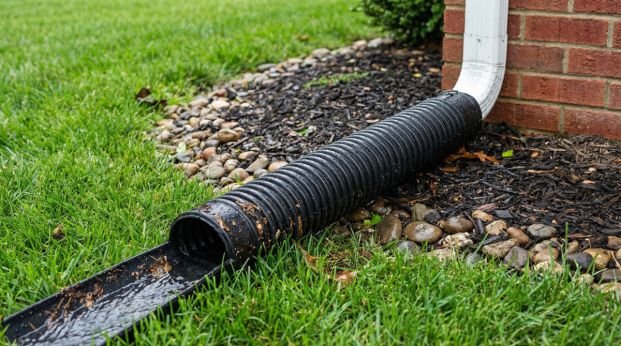
Equally important is the management of the water once it exits the downspouts. If a downspout discharges water mere inches from the foundation, it defeats the purpose of the gutter system. Downspouts must be fitted with extensions that carry the water a minimum of five feet away from the house. Furthermore, the landscaping and grading around the perimeter of the home must feature a positive slope. The ground should visibly slope away from the foundation walls, dropping at least six inches over the first ten feet. This ensures that heavy rainfall naturally drains away from the structure rather than pooling against it. For homes with basement windows below grade, installing clear, polycarbonate window well covers prevents rain and snow from accumulating against the glass and seeping through the window frames.
The Role of Smart Water Leak Detectors
Answer Capsule: Modern technology offers the most reliable residential water damage prevention through smart leak detectors. These Wi-Fi-enabled devices monitor moisture levels near high-risk appliances and instantly send alerts to a smartphone, allowing for immediate action.
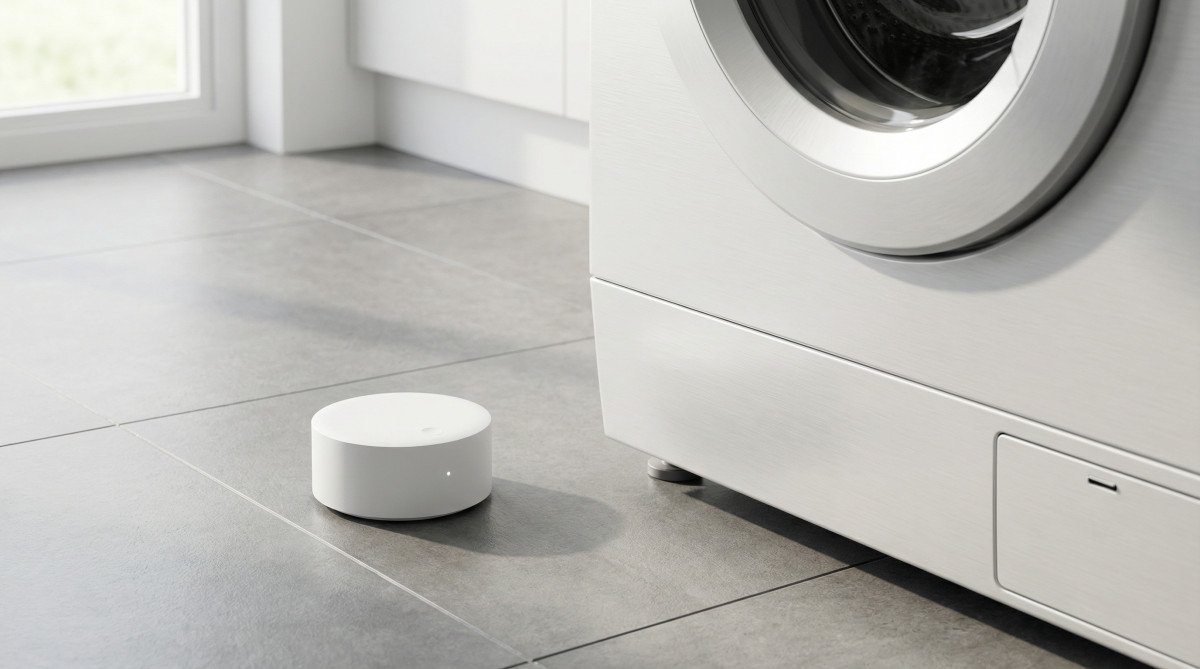
Human vigilance is vital, but it is impossible to monitor every hidden pipe twenty-four hours a day. This is where smart home technology provides an unparalleled layer of security. Smart water leak detectors are small, battery-operated sensors placed on the floor near high-risk areas, such as behind the washing machine, under the dishwasher, near the water heater, and adjacent to the sump pump pit. When the metal contacts on the bottom of the sensor detect moisture, the device immediately sounds an audible alarm and pushes a notification directly to the homeowner’s smartphone via Wi-Fi. This real-time alert system allows a homeowner to address a leak instantly, whether they are asleep upstairs or halfway across the world on vacation.
For the ultimate level of protection, homeowners can invest in a whole-house flow-based leak detection system. According to the Insurance Information Institute, water damage claims are among the most frequent, making these advanced systems a wise investment. Unlike point-of-leak sensors that must physically touch water, a flow-based system is installed directly onto the main water supply line. It continuously monitors the home’s water usage patterns. If the system detects an anomaly—such as water running continuously for an unusual length of time, indicating a burst pipe or a severely running toilet—it will automatically trigger an integrated shut-off valve, cutting off the water supply to the entire house before significant damage can occur.
Sump Pump Maintenance and Backup Systems
Answer Capsule: For homes with basements, a functional sump pump is a critical defense against flooding. Testing the pump regularly and installing a battery backup system ensures the basement remains dry even during severe storms that cause power outages.
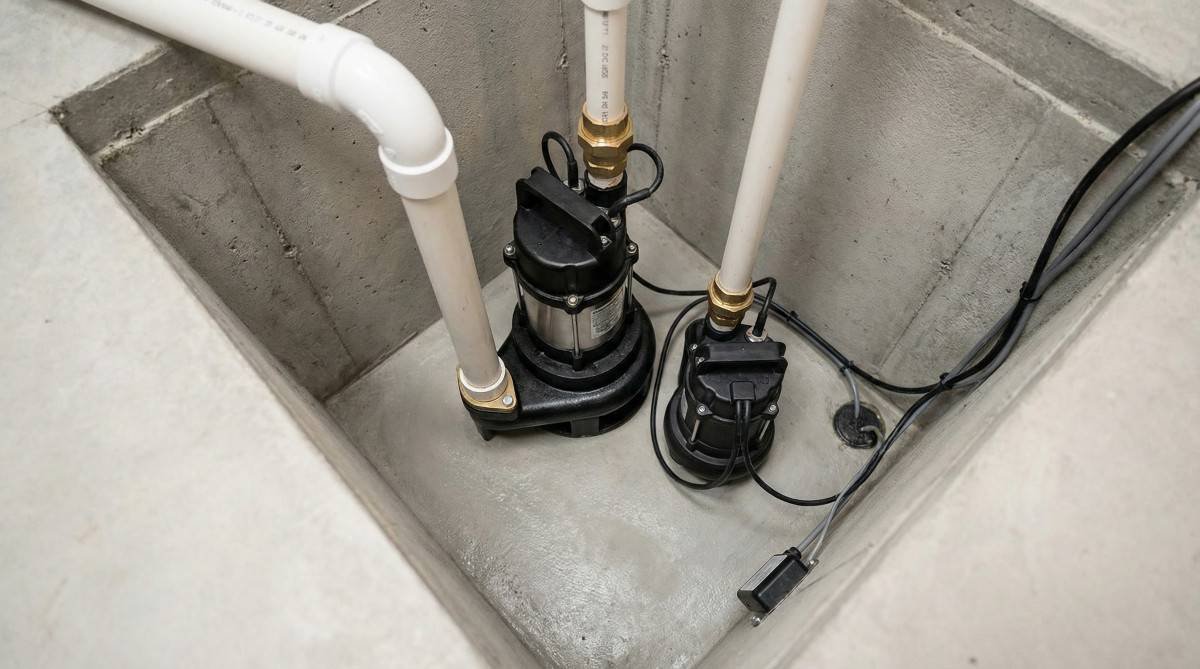
If your home features a basement or crawlspace, it likely relies on a sump pump to manage groundwater. The sump pump sits in a specially constructed pit (the sump basin) at the lowest point of the floor. As water accumulates in the pit, a float switch activates the pump, which actively expels the water away from the house through a discharge pipe. However, a sump pump is a mechanical device that will eventually fail, often precisely when it is needed most—during a heavy rainstorm. Therefore, testing the pump every few months is crucial. This is easily done by slowly pouring a bucket of water into the pit until the float rises and the pump engages. Ensure the pump runs smoothly and that the water actually exits the discharge pipe outside.
The most significant vulnerability of a primary sump pump is its reliance on the home’s electrical grid. Severe thunderstorms frequently cause power outages, rendering a standard electric pump useless while water continues to pour into the basement. To mitigate this risk, installing a battery backup sump pump system is imperative. This secondary pump sits slightly higher in the pit and runs on a dedicated marine-grade battery. If the primary pump fails or the power goes out, the backup system automatically takes over. Alternatively, homes connected to a municipal water supply can utilize a water-powered backup pump, which uses the pressure of the city water to create suction, requiring no electricity or batteries whatsoever.
Frequently Asked Questions
Does standard homeowners insurance cover water damage?
Standard homeowners insurance typically covers sudden and accidental water damage, such as a burst pipe or a suddenly ruptured water heater. However, it usually does not cover damage resulting from gradual, long-term leaks, poor maintenance, or external flooding from weather events, which requires a completely separate flood insurance policy.
How often should I replace my washing machine hoses?
Industry experts strongly recommend replacing standard rubber washing machine hoses every three to five years, even if they show no visible signs of wear, cracking, or bulging. Upgrading to stainless steel braided hoses is highly advised, as they are significantly more durable and reduce the risk of a sudden rupture.
What are the first signs of hidden water damage?
Early warning signs of hidden water damage include a persistent, unexplained musty odor, sudden increases in your monthly water bill without a change in usage habits, peeling or bubbling paint on walls, and yellowish-brown water stains appearing on ceilings or baseboards.
Conclusion
Answer Capsule: Effective residential water damage prevention requires a combination of routine physical inspections and modern technological safeguards. By actively managing your home’s plumbing and exterior drainage, you can prevent minor leaks from becoming major financial disasters.
Safeguarding a home against water damage is an ongoing responsibility that demands both attention to detail and a willingness to invest in preventative measures. The strategies outlined in this guide—from the simple act of inspecting the cabinet beneath the kitchen sink to the installation of an advanced, whole-house smart leak detection system—form a comprehensive defense against one of the most common threats to residential properties.
By ensuring that gutters are clean, downspouts are properly extended, and sump pumps are backed up, homeowners can confidently manage exterior water threats. Simultaneously, upgrading vulnerable components like washing machine hoses and remaining vigilant for the early signs of hidden leaks protects the interior. Ultimately, residential water damage prevention is about peace of mind. By taking proactive steps today, you ensure that your home remains a safe, dry, and secure sanctuary for years to come, free from the stress and financial burden of unexpected water disasters.