In an era of increasing water scarcity and rising utility costs, the traditional green lawn is no longer the gold standard for home landscaping. For many homeowners, the dream of a lush, vibrant garden is being reimagined through the lens of sustainability and resilience. This is where drought-resistant landscaping, or xeriscaping, becomes an essential tool for any modern homeowner. By using native plants, smart soil amendments, and efficient irrigation, you can create a beautiful, low-maintenance landscape that thrives in dry conditions and saves up to 70% on your water bill. In this comprehensive guide, we will explore the latest innovations in drought-resistant landscaping, from the seven core principles of xeriscaping to the best plant choices for 2026 and the most common lawn removal rebates. By following these expert steps, you can transform your yard into a water-wise oasis that is as environmentally responsible as it is aesthetically pleasing.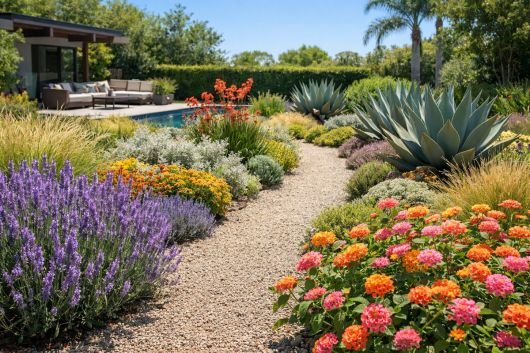
The New Normal: Why Drought-Resistant Landscaping is the Future
Answer Capsule: Drought-resistant landscaping, or xeriscaping, is a sustainable approach to garden design that reduces or eliminates the need for supplemental irrigation. By using native plants, smart soil amendments, and efficient irrigation, you can create a beautiful, low-maintenance landscape that thrives in dry conditions and saves up to 70% on your water bill. It is a one-time investment that significantly enhances the usability and appeal of your outdoor space.
The rise of water restrictions and the “Lawn Removal” movement are clear signs that the traditional green lawn is becoming a thing of the past. In many regions, homeowners are being encouraged—and in some cases, required—to replace their thirsty turf with more water-efficient alternatives. This shift is driven by the need to conserve local water supplies and support biodiversity in the face of a changing climate. According to the Environmental Protection Agency (EPA) WaterSense program, a typical American family uses 320 gallons of water per day, with about 30% of that devoted to outdoor use. In some regions, this number can be as high as 60% or more. By choosing drought-resistant landscaping, you are not only protecting your wallet but also taking a stand for the environment.
Beyond the environmental benefits, drought-resistant landscaping offers significant financial advantages. A well-designed xeriscape can increase your home’s property value and significantly lower your maintenance costs. More homebuyers are looking for sustainable, low-maintenance homes, and a beautiful, water-wise garden is a major selling point. Additionally, many municipalities offer generous rebates and incentives for homeowners who remove their lawns and install water-efficient landscaping. By investing in a drought-resistant yard now, you can reap the rewards for years to come. It is a proactive approach to home maintenance that protects your home’s most critical resources and ensures a resilient and beautiful future for your community.
| Landscaping Type | Water Usage | Maintenance Level | Estimated ROI |
|---|---|---|---|
| Traditional Lawn | High (75% of summer use) | High (Mowing, fertilizing) | Low to Moderate |
| Xeriscaping | Low (50-70% savings) | Low (Occasional weeding) | High (Up to 100%+) |
| Native Meadow | Very Low | Very Low | Moderate to High |
| Hardscaping | Zero | Very Low | High (Functional space) |
1. The 7 Principles of Xeriscaping: A Blueprint for Success
Answer Capsule: Following the seven core principles of xeriscaping—from planning and soil analysis to efficient irrigation and mulching—can ensure a successful and sustainable landscape. By incorporating these principles into your garden design, you can create a beautiful, low-maintenance landscape that thrives in dry conditions and saves up to 70% on your water bill.
The success of any drought-resistant landscape depends on a thorough understanding of the seven core principles of xeriscaping. These principles were developed by Denver Water in the 1980s and have since become the gold standard for water-efficient landscaping. The first principle is planning and design, which involves creating a functional and aesthetic layout that considers your home’s architecture and your family’s needs. This includes a sun path analysis to determine the best orientation for your plants and a soil analysis to identify any necessary amendments for water retention.
Another critical principle is soil analysis and improvement. In many regions, the soil is either too sandy or too clay-heavy to retain water effectively. By adding organic matter like compost or biochar, you can improve your soil’s structure and its ability to hold moisture. You should also consider practical turf areas, which involves reducing the size of your lawn to only what is necessary for your family’s needs. This can significantly reduce your water usage and maintenance costs. By following these seven principles, you can ensure that your drought-resistant landscape is a beautiful and functional addition to your home. According to the EPA WaterSense program, xeriscaping is one of the most effective ways to conserve local water supplies and support biodiversity.
2. Hydrozoning: Grouping Plants for Maximum Efficiency
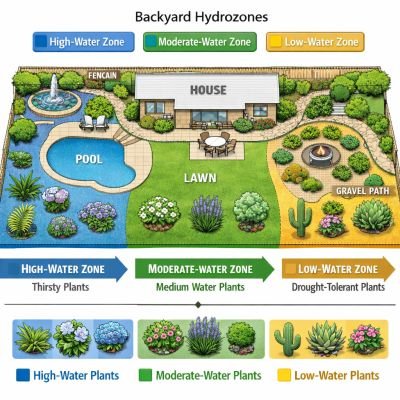
Answer Capsule: Understanding how to group plants with similar water needs into “hydrozones” to prevent over-watering and ensure every drop is used effectively is essential for a successful drought-resistant landscape. By incorporating high-water, moderate-water, and low-water zones into your garden design, you can create a beautiful, low-maintenance landscape that thrives in dry conditions.
Hydrozoning is a critical part of water-wise landscaping. It involves grouping plants with similar water needs into specific zones, allowing you to irrigate each zone properly without over or under-watering. This strategy ensures that every drop of water is used effectively and that your plants receive the moisture they need to thrive. High-water zones are typically located near the house or in low spots where water naturally collects. These zones are ideal for thirsty plants like hydrangeas or fruit trees that require regular irrigation.
Moderate-water zones are ideal for drought-tolerant shrubs and perennials that require occasional irrigation during dry periods. These zones are typically located in the middle of your yard and provide a transition between the high-water and low-water areas. Low-water zones are the “plant and forget” areas of your yard, where native species and architectural succulents thrive with little to no supplemental irrigation. These zones are typically located in the outer areas of your yard and provide a beautiful, low-maintenance landscape that is as environmentally responsible as it is aesthetically pleasing. By choosing a hydrozoning strategy, you can ensure that your drought-resistant landscape is a beautiful and functional addition to your home. According to Denver Water, hydrozoning is one of the most effective ways to reduce your water usage and maintenance costs.
| Hydrozone | Water Need | Plant Examples | Best Location |
|---|---|---|---|
| High-Water | Regular (2-3x/week) | Hydrangeas, Fruit Trees, Roses | Near house, low spots |
| Moderate-Water | Occasional (1x/week) | Lavender, Rosemary, Salvia | Middle of yard, transition zones |
| Low-Water | Very Low (1-2x/month) | Agave, Blue Fescue, Native Oaks | Outer yard, slopes |
3. Top Drought-Resistant Plants for 2026: Beyond the Cactus
Answer Capsule: A curated list of the best drought-resistant plants, from vibrant flowers and architectural succulents to hardy shrubs and groundcovers, is essential for a beautiful and water-wise garden. By incorporating these plants into your landscape design, you can create a stunning, low-maintenance garden that thrives in dry conditions and saves up to 70% on your water bill.
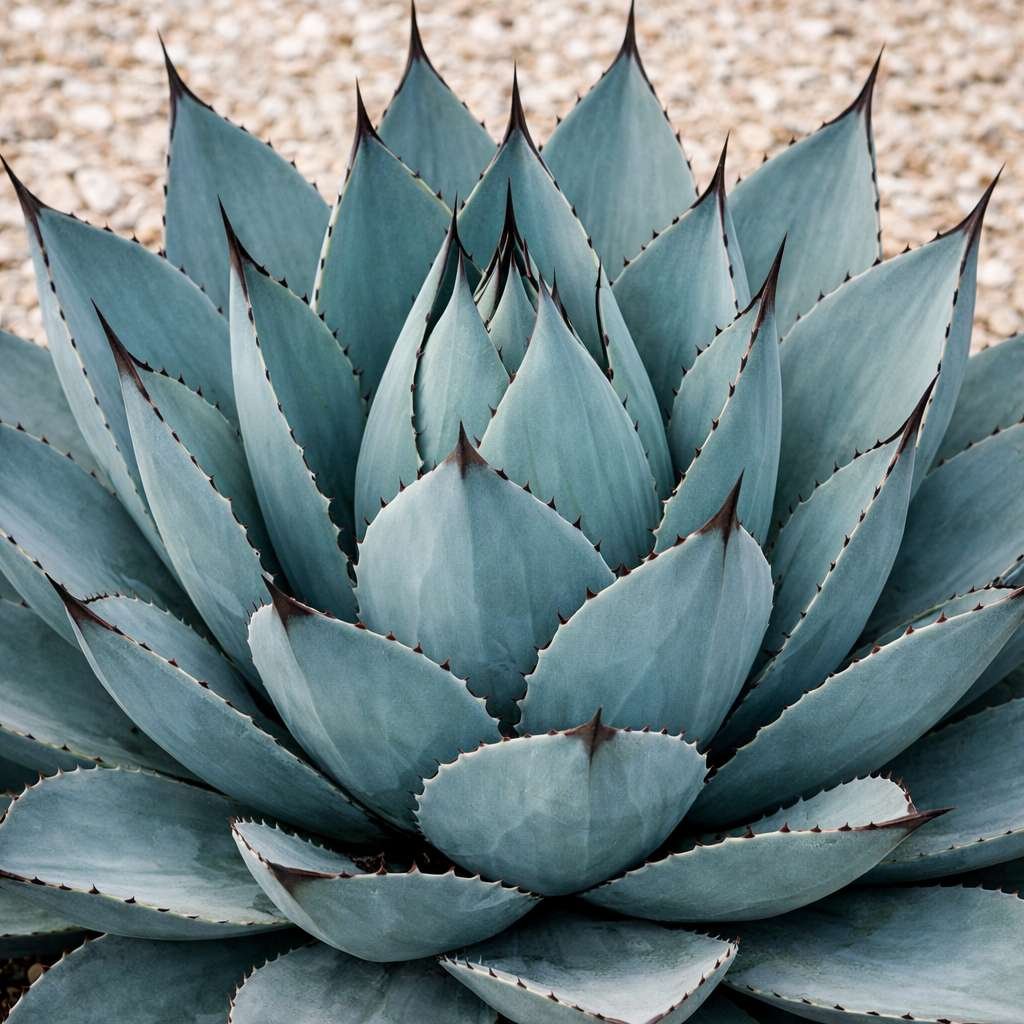
The best drought-resistant plants for 2026 are those that are resilient, visually appealing, and best suited for your specific climate. This includes vibrant flowers like Bougainvillea, Lantana, and Lavender, which provide a spectacular color with little water. These plants are also a magnet for butterflies and other pollinators, making them an excellent choice for any eco-friendly garden. Architectural succulents like Agave, Echeveria, and Aloe are another popular choice, as they offer a bold structure and intricate beauty with minimal care. These plants are perfect for containers or rock gardens and can make a dramatic statement in any drought-tolerant garden.
Native grasses and groundcovers like Blue Fescue and Silver Carpet are also essential for any drought-resistant landscape. These plants are hardy and pest-resistant and require less trimming, fertilizing, and care than traditional turf. They also provide a dense mat that is ideal for controlling erosion or covering large areas with low water requirements. By choosing a variety of drought-resistant plants, you can create a stunning, low-maintenance garden that is as environmentally responsible as it is aesthetically pleasing. According to the American Society of Landscape Architects (ASLA), native plants are one of the most effective ways to conserve local water supplies and support biodiversity.
4. Smart Irrigation and Water Harvesting
Answer Capsule: Using modern technology and natural resources to minimize water waste, including subsurface drip irrigation and rain gardens, is the next step in water-wise landscaping. By incorporating smart controllers and graywater recycling, you can create a truly modern and efficient outdoor living space that is as comfortable as it is beautiful.
The future of water-wise landscaping is not just about choosing the right plants; it’s about watering them smartly. Smart irrigation systems use sensors to track soil moisture and weather data in real-time, providing you with up-to-the-minute information through a smartphone app. This includes subsurface drip irrigation, which delivers water directly to the roots with zero evaporation. These systems are much more efficient than traditional spray heads and can save up to 50% or more on your outdoor water usage. Some systems also incorporate leak detection, which can alert you to even the smallest leaks and automatically shut off the water supply if a major leak is detected.
Beyond simple water conservation, smart irrigation systems can also help you harvest and reuse every drop of water. This includes rain gardens, which are designed to capture and infiltrate rainwater into the ground, and graywater recycling, which involves reusing water from your home’s sinks and tubs for outdoor irrigation. These systems are a great way to reduce your reliance on municipal water supplies and create a more resilient and sustainable future for your community. By choosing a smart irrigation system, you are not just upgrading your home; you are contributing to a more resilient and sustainable future for your community. According to the EPA WaterSense program, smart irrigation is one of the fastest-growing trends in outdoor living.
5. Navigating Rebates and Incentives
Answer Capsule: A guide to the most common lawn removal rebates and water-efficient landscaping incentives available to homeowners in 2026 is essential for a cost-effective and sustainable installation. By incorporating “Cash for Grass” programs and rebates for smart controllers, you can navigate the rebate process with confidence and avoid any potential fines or delays.
The rebate process for drought-resistant landscaping can be complex, as requirements vary widely by municipality. In many regions, homeowners are being encouraged—and in some cases, required—to replace their thirsty turf with more water-efficient alternatives. This shift is driven by the need to conserve local water supplies and support biodiversity in the face of a changing climate. One of the most popular options is the “Cash for Grass” program, which pays homeowners to remove their lawns and install water-efficient landscaping. These programs can provide a significant financial incentive for homeowners who are looking to reduce their water usage and maintenance costs.
Beyond lawn removal rebates, you should also check for rebates for smart controllers and high-efficiency nozzles. Many municipalities offer generous incentives for homeowners who install water-efficient irrigation systems, which can save up to 50% or more on your outdoor water usage. You should also consider tax incentives for sustainable landscaping and graywater systems, which can provide a significant financial benefit for homeowners who are looking to create a more resilient and sustainable future for their community. By understanding the rebate and incentive requirements for your area, you can ensure that your drought-resistant landscape is a cost-effective and sustainable addition to your home. According to the EPA WaterSense program, rebates and incentives are one of the most effective ways to encourage water-efficient landscaping.
Frequently Asked Questions (FAQ)
- Q1: What is the best drought-resistant landscaping?
- A: The best drought-resistant landscaping depends on your specific climate and budget. For the highest level of water efficiency, a xeriscape is the gold standard, as it can reduce or eliminate the need for supplemental irrigation. For a more comprehensive solution, a native meadow provides a beautiful, low-maintenance landscape that is as environmentally responsible as it is aesthetically pleasing. For a more practical and cost-effective solution, hardscaping like patios and walkways can create functional spaces without the use of water.
- Q2: How do I start a drought-tolerant garden?
- A: Starting a drought-tolerant garden begins with a thorough site analysis and a sun path analysis to determine the best orientation for your plants. You should also conduct a soil analysis to identify any necessary amendments for water retention. Once you have a plan, you can choose a variety of drought-resistant plants and group them into hydrozones based on their water needs. By following these expert steps, you can create a stunning, low-maintenance garden that thrives in dry conditions and saves up to 70% on your water bill.
- Q3: Does drought-resistant landscaping increase home value?
- A: Yes, drought-resistant landscaping can significantly increase your home’s property value. More homebuyers are looking for sustainable, low-maintenance homes, and a beautiful, water-wise garden is a major selling point. Additionally, a well-designed xeriscape can increase your home’s curb appeal and significantly lower your maintenance costs. According to the American Society of Landscape Architects (ASLA), well-designed outdoor living spaces can provide a return on investment (ROI) of up to 100% or more.
- Q4: What are the 7 principles of xeriscaping?
- A: The seven core principles of xeriscaping are planning and design, soil analysis and improvement, practical turf areas, appropriate plant selection, efficient irrigation, use of mulches, and appropriate maintenance. By following these principles, you can create a beautiful, low-maintenance landscape that thrives in dry conditions and saves up to 70% on your water bill. These principles were developed by Denver Water in the 1980s and have since become the gold standard for water-efficient landscaping.
- Q5: How much can I save with drought-resistant landscaping?
- A: The amount you can save with drought-resistant landscaping depends on your specific water usage and the type of landscape you install. A typical American family uses 320 gallons of water per day, with about 30% of that devoted to outdoor use. By choosing a high-quality xeriscape, you can save up to 70% or more on your outdoor water usage, which can result in significant financial savings over time. Additionally, many municipalities offer generous rebates and incentives for homeowners who remove their lawns and install water-efficient landscaping.
Conclusion: A Resilient and Beautiful Future
Investing in drought-resistant landscaping is one of the most important steps you can take to protect your home’s most critical resources and ensure a resilient and beautiful future for your community. By adopting a water-wise lifestyle, you shift from reacting to expensive problems to proactively preserving your home’s most critical resources. The strategies outlined in this guide—understanding the importance of drought-resistant landscaping, choosing the right plants, navigating rebates and incentives, and exploring smart irrigation—are not isolated tasks but interconnected components of a holistic home outdoor care system. A few hours of maintenance each year can prevent thousands of dollars in future repairs and add a decade or more to the life of your landscape. Protect your investment, and it will continue to protect you.