Homeownership represents a significant milestone and a substantial financial investment. However, the true cost of owning a home extends far beyond the initial purchase price or the monthly mortgage payments. It encompasses the ongoing responsibility of upkeep. For many, home maintenance is viewed as a tedious chore, easily deferred until a minor issue escalates into a major crisis. Yet, a paradigm shift is occurring. Homeowners are increasingly recognizing that preventive maintenance is not merely about keeping a house looking pristine; it is a critical financial strategy designed to protect the budget and preserve the structural integrity of the property, explains Sachse Property Management.
The financial stakes of neglecting routine care have never been higher. Recent industry data from 2025 paints a stark picture: a staggering 85% of homeowners faced unexpected repair costs over the past year. As inflation impacts the cost of building materials and skilled labor, the traditional “fix it when it breaks” approach has become financially unsustainable. Transitioning to a proactive maintenance mindset is now the most effective way to safeguard against the sudden, crippling expenses that can derail household finances.
The High Cost of Reactive Maintenance
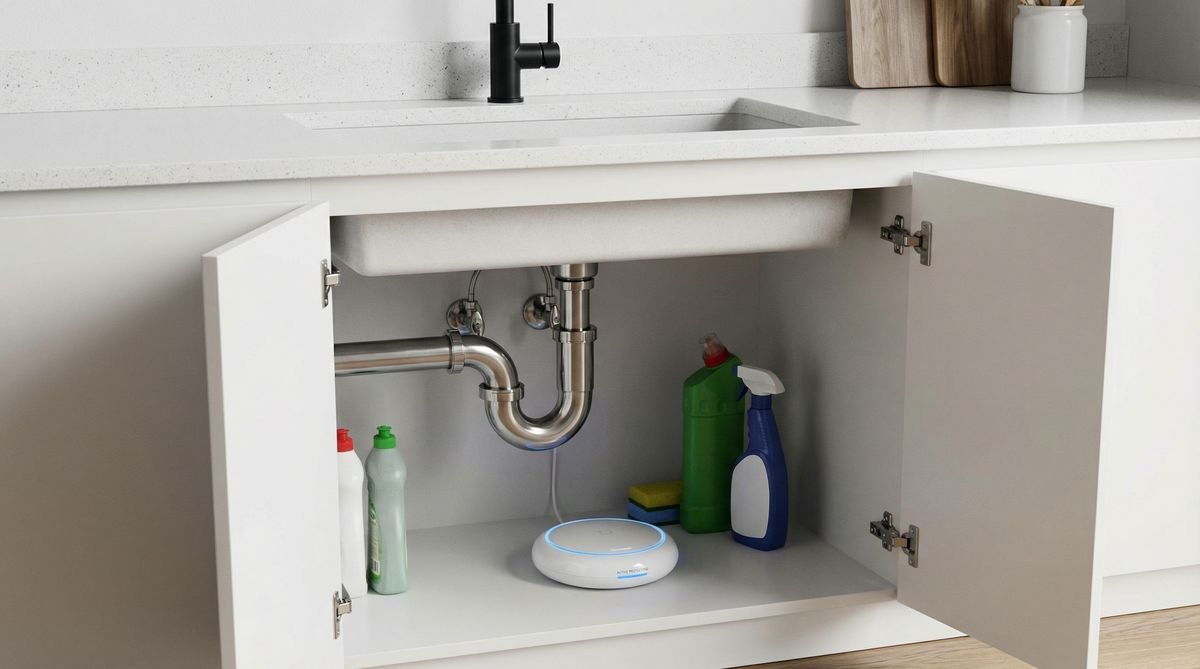
The core danger of reactive maintenance lies in the compounding nature of household damage. What begins as a minor, easily addressable issue—such as a small leak under a sink or a few missing shingles—can rapidly deteriorate into extensive water damage, mold remediation, or structural failure. This snowball effect turns inexpensive fixes into massive financial burdens.
Statistics reveal the harsh reality of deferred upkeep. Nearly one in three homeowners (29%) recently faced costly repairs that could have been entirely avoided with regular maintenance. The financial impact on these individuals is severe. Among those who encountered preventable repairs, 72% spent at least $1,000, and a concerning 44% were forced to spend $5,000 or more. These figures clearly demonstrate that ignoring small maintenance tasks is a gamble that rarely pays off in the long run.
The ROI of Proactive Home Care
Conversely, adopting a proactive approach yields a measurable and significant Return on Investment (ROI). Preventive maintenance operates on the principle that small, consistent investments of time and money prevent large, sudden capital expenditures. Industry analyses show that a comprehensive preventive property maintenance strategy can reduce emergency repair costs by up to 30%. This is achieved by identifying wear and tear early, allowing for scheduled, competitively priced repairs rather than desperate, after-hours emergency calls.
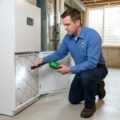
Furthermore, regular servicing dramatically impacts the longevity of critical home systems. Routine maintenance, such as changing HVAC filters, flushing water heaters, and cleaning gutters, can extend the operational lifespan of these expensive assets by an average of 20%. By pushing back the replacement dates for roofs, furnaces, and plumbing systems, homeowners realize massive long-term savings that far outweigh the cost of annual servicing.
Reactive Repair vs. Preventive Maintenance
Understanding the fundamental differences between these two approaches highlights why proactive care is essential for modern homeownership.
| Aspect | Reactive Repair (Fix when broken) | Preventive Maintenance (Proactive care) |
|---|---|---|
| Financial Impact | High, unpredictable emergency costs. | Low, manageable, and predictable scheduled costs. |
| System Lifespan | Shortened due to excessive strain and neglect. | Extended by up to 20% through optimal operation. |
| Stress Levels | High; issues often occur at the worst possible times. | Low; maintenance is planned around the schedule. |
| Collateral Damage | High risk (e.g., a burst pipe ruining flooring). | Minimal risk; issues are caught before causing secondary damage. |
| Property Value | Can decrease if a backlog of deferred maintenance accumulates. | Maintained or increased, showing buyers a well-cared-for home. |
Strategic Maintenance for 2025 and Beyond
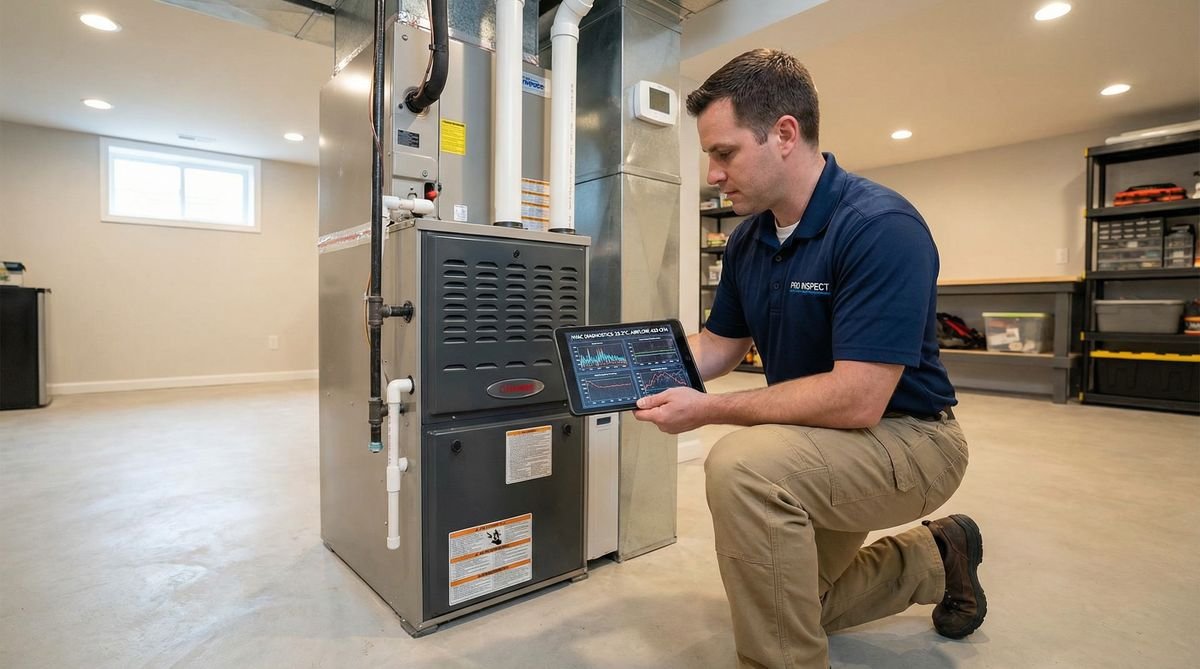
The narrative around home care is changing rapidly. In 2025, 71% of homeowners reported that they are prioritizing preventive maintenance as their primary strategy to avoid expensive, unexpected bills. This shift is being supported by the integration of smart home technology. Devices like intelligent thermostats that diagnose HVAC inefficiencies, smart water shut-off valves, and electrical monitoring systems are transforming how we care for our properties. These tools provide real-time data, shifting maintenance from a schedule-based guess to a precision, needs-based intervention.
However, technology cannot entirely replace the human element. Partnering with qualified professionals for annual inspections remains a critical component of a robust maintenance plan. Having an expert evaluate the roof, foundation, electrical panels, and plumbing systems ensures that subtle signs of deterioration, which might escape the untrained eye, are addressed promptly and correctly.
Frequently Asked Questions
How much money does preventive home maintenance save?
Data indicates that a consistent preventive maintenance routine can reduce emergency repair costs by up to 30%. Additionally, by extending the lifespan of major systems like HVAC units and roofs by roughly 20%, homeowners save thousands of dollars by delaying costly total replacements.
What are the most expensive home repairs to avoid?
The most financially devastating repairs usually involve water damage, foundation failure, roof replacement, and complete HVAC system breakdowns. Routine inspections, clearing gutters, maintaining proper grading, and changing filters are simple steps that prevent these massive expenses.
How often should I schedule professional home inspections?
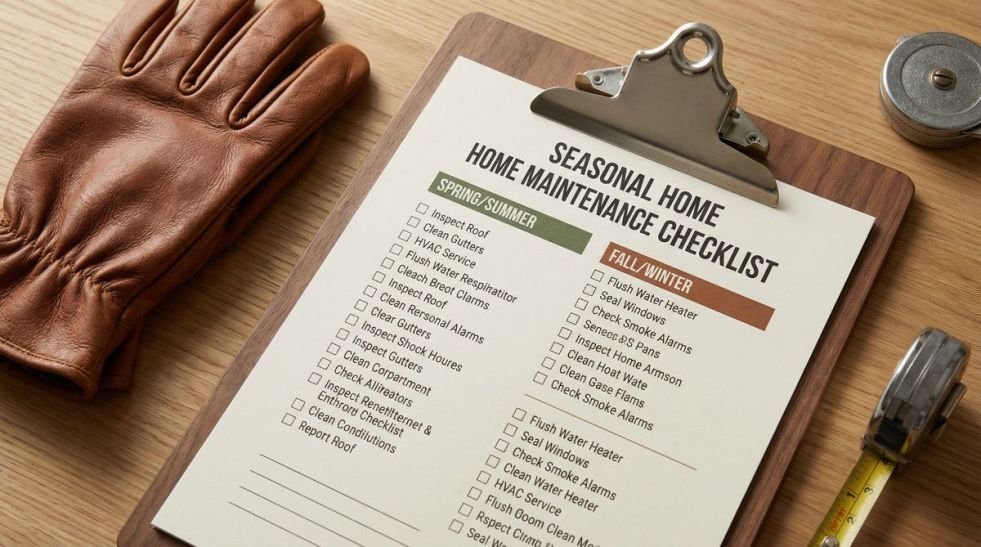
It is highly recommended to schedule professional inspections for your HVAC system twice a year (spring and fall). Roof and plumbing inspections should ideally be conducted annually to catch minor wear and tear before it evolves into a major leak or failure.
Protecting Your Greatest Asset
The role of preventive maintenance in residential real estate cannot be overstated. It is the most reliable defense against the unpredictable and often exorbitant costs of home repairs. By shifting away from a reactive mindset and embracing proactive, scheduled care, homeowners not only protect their monthly budgets but also preserve the long-term value and safety of their most significant financial asset.