The foundation is the literal bedrock of any residential structure, yet it remains one of the most overlooked components of home maintenance until visible damage appears. Many homeowners sweep subtle signs of structural shifting under the rug, assuming minor cracks are simply cosmetic flaws. However, the hidden nature of foundation problems often leads to a severe financial shock upon late discovery, highlights Keyrenter Sarasota experts.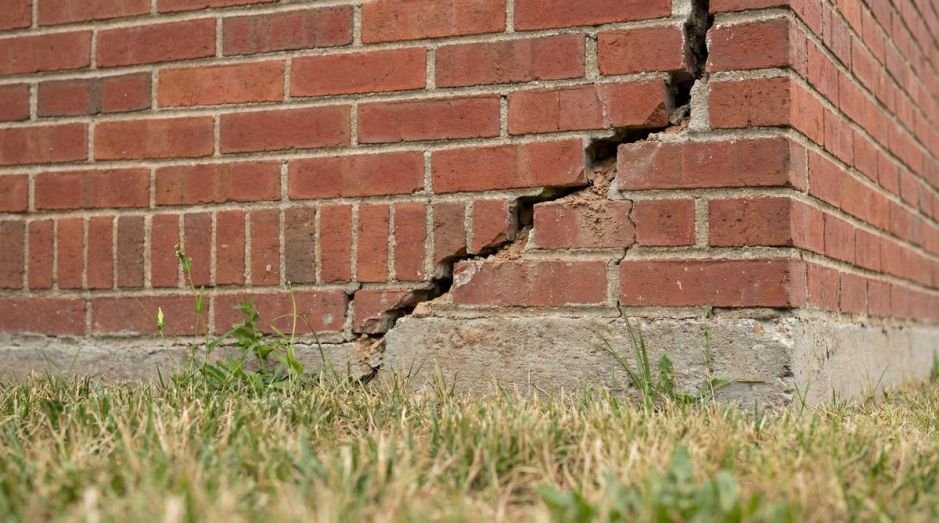
Real estate market data from 2025 indicates that unresolved foundation issues can slash a property’s market value by 10% to 25%. For a standard $300,000 home, this translates to an instant equity loss of up to $75,000. Early identification of residential foundation issues is not just about aesthetics; it is the most critical strategy for preventing catastrophic structural failure and avoiding exponential repair costs. By understanding the subtle warning signs and acting proactively, property owners can protect their most valuable asset from irreversible damage.
Why Foundation Integrity Dictates Property Value
A home’s foundation supports the entire structural load of the building, distributing weight evenly into the soil below. When this base becomes compromised, the resulting instability sends a cascading effect upward through the entire structure. The framing, plumbing systems, drywall, and even the roof rely entirely on the stability of the foundation beneath them.
The financial implications of ignoring these shifts are staggering. Industry analysis reveals that minor, early-stage foundation fixes typically range between $500 and $2,000. These early interventions might involve simple crack injections or minor drainage corrections. Conversely, when structural damage is allowed to progress into severe failure, major overhauls such as extensive underpinning or slab replacement can easily exceed $20,000 to $25,000.
Furthermore, a failing foundation creates secondary damage throughout the home. As the structure settles unevenly, rigid plumbing pipes can snap, leading to hidden water leaks that cause wood rot and mold. Roof trusses may warp under uneven tension, compromising the weatherproofing of the home. Addressing the foundation early prevents this domino effect of structural deterioration.
7 Critical Warning Signs of Structural Damage
Identifying the early warning signs of foundation problems requires a vigilant eye. Homeowners should routinely inspect both the interior and exterior of their property for these seven critical indicators of structural stress.
Diagonal and Stair-Step Cracks
While hairline cracks in concrete are often a byproduct of normal curing, wide cracks tell a different story. Homeowners should be particularly wary of diagonal cracking in drywall or stair-step cracks forming in exterior brickwork and masonry. Cracks that are wider than 1/8 inch, or those that are wider at the top than at the bottom, are significant indicators of serious structural movement requiring immediate evaluation.
Misaligned Doors and Sticking Windows
As a foundation shifts and settles unevenly, it pulls the wooden framing of the house out of square. This distortion manifests clearly in window and door frames. If doors suddenly begin to stick, fail to latch properly, or swing open on their own, the frame is likely warping under structural pressure. Similarly, windows that become incredibly difficult to open or close are a classic symptom of foundation movement.
Sloping or Uneven Floors
Foundation settling often creates tangible dips or slopes in a home’s flooring. A simple test involves placing a marble or golf ball on a hard floor; if it rolls away rapidly without being pushed, the floor is significantly out of level. Whether the home sits on a concrete slab or a pier and beam system, sagging floors indicate that the underlying support structure has sunk, shifted, or begun to rot.
Gaps Between Walls and Ceilings
Static structures inside the home should remain tightly joined. When a foundation pulls downward or shifts laterally, it can cause interior walls to separate from the ceiling or the floor. Homeowners might also notice built-in cabinets or countertops beginning to pull away from the walls, leaving noticeable gaps that cannot be explained by simple humidity changes.
Bowing or Leaning Walls
Basement and crawl space walls that show signs of bowing inward are experiencing immense hydrostatic pressure from the surrounding soil. When water saturates the earth outside the foundation, it expands and pushes against the concrete or block walls with tremendous force. Left unaddressed, bowing walls represent a severe collapse risk and indicate compromised structural integrity.
Moisture Intrusion and Musty Odors
A cracked foundation provides an easy entry point for groundwater. Persistent musty smells in a basement or crawl space often result from excess moisture infiltrating through foundation fissures. This chronic humidity not only damages stored belongings but also encourages rapid mold growth and attracts wood-destroying insects like termites, further degrading the structural beams.
Chimney Separation
Because chimneys are incredibly heavy and often built on a separate, smaller foundation pad, they are highly susceptible to differential settlement. If a chimney begins to lean or noticeable gaps appear between the exterior siding of the house and the chimney masonry, the foundation beneath it is failing. This separation can also allow water to pour into the wall cavity during rainstorms.
Assessing Severity: Normal Settling vs. Structural Failure
Not every crack spells disaster. Homes naturally settle over time, but distinguishing between benign aging and active structural failure is crucial. The table below outlines the differences between minor settling and serious foundation issues that require immediate professional attention.
| Indicator Category | Minor Settling (Monitor) | Serious Structural Issue (Act Immediately) |
|---|---|---|
| Wall Cracks | Hairline vertical cracks (under 1/16 inch) | Horizontal cracks, stair-step cracks, or cracks wider than 1/8 inch |
| Doors & Windows | Occasional sticking during high humidity | Doors won’t latch; visible gaps around frames; cracked glass |
| Flooring | Slight, localized floor squeaks | Noticeable sloping; bouncing floors; tiles cracking across the room |
| Exterior | Small, stable cracks in mortar | Large gaps in brickwork; chimney leaning away from the house |
| Basement Walls | Dry, thin vertical surface cracks | Walls bowing inward; active water seepage through cracks |
Root Causes of Foundation Settlement
Understanding what causes foundation problems is the first step toward effective prevention. The majority of structural issues stem from the soil surrounding and supporting the home.
Soil Expansion and Contraction. Expansive clay soils are notorious for causing foundation havoc. During periods of heavy rain, these soils absorb massive amounts of water and expand, pushing upward against the foundation (upheaval). Conversely, during severe droughts, the soil shrinks and pulls away from the concrete, removing critical support and causing the foundation to sink (settlement).
Poor Drainage and Hydrostatic Pressure. Water is the natural enemy of structural integrity. If gutters are clogged, downspouts are too short, or the yard slopes toward the house, water will pool around the foundation. This poor drainage creates hydrostatic pressure, forcing water into the concrete and eroding the supporting soil beneath the footings.
Tree Root Intrusion. Large, mature trees planted too close to a house can silently destroy a foundation. Tree roots aggressively seek out moisture, often drawing vast amounts of water out of the soil directly beneath the home. This localized soil dehydration causes the earth to shrink unevenly, leading to differential settlement. In some cases, massive roots can physically grow under the concrete slab, lifting and cracking it.
Modern Technology in Foundation Inspection
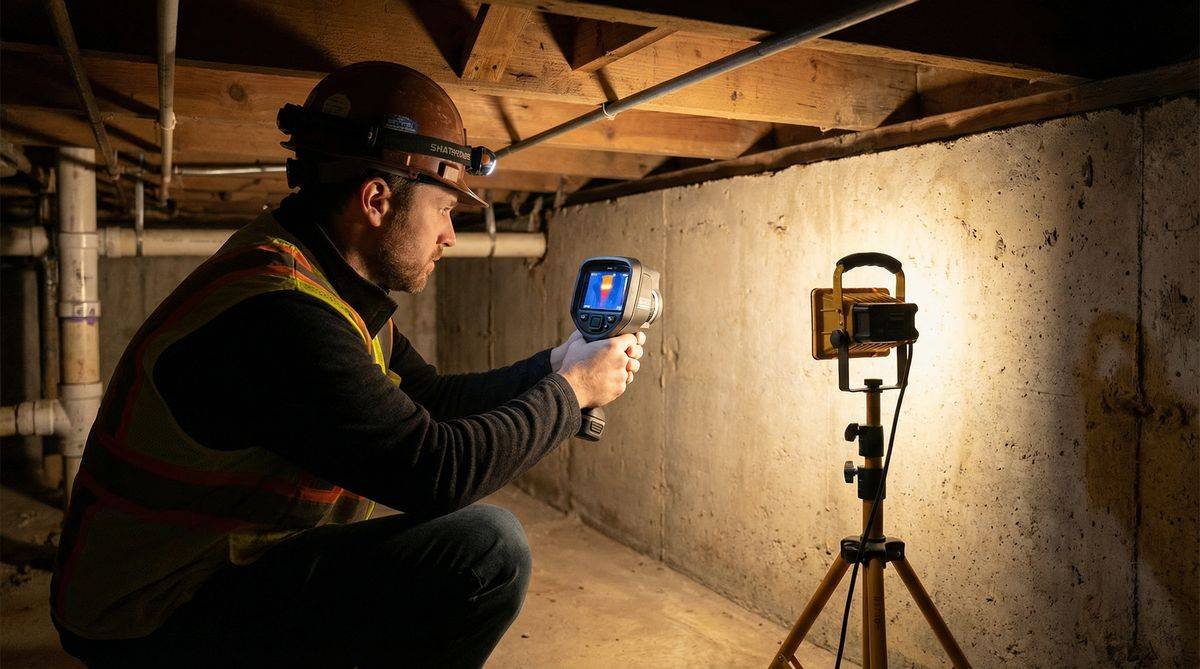
The days of relying solely on a flashlight and a visual guess are over. Today, structural engineers and foundation specialists utilize advanced technology to detect early-stage issues that the naked eye would miss.
Thermal Imaging Diagnostics. Infrared thermography is now used to detect hidden moisture intrusion behind basement walls and beneath concrete slabs. Because damp areas exhibit different temperature signatures than dry concrete, thermal cameras can pinpoint exactly where water is breaching the foundation long before mold or pooling water becomes visible.
Drone-Assisted Roof Inspections. A shifting foundation often reveals its first symptoms at the highest point of the house. Inspectors now deploy high-resolution drones to examine the roofline for subtle sagging, warped ridge lines, and separated chimney flashing. These aerial views provide a comprehensive picture of how foundation movement is distorting the entire structural envelope.
Digital Level Mapping. To determine exactly how much a foundation has settled, professionals use precision digital altimeters and laser levels. These tools map the entire floor plan of a home, detecting elevation deviations down to the millimeter. This data creates a topographical map of the floor, allowing engineers to identify exactly which structural piers or slab sections are failing.
Frequently Asked Questions (FAQ)
What are the very first signs of foundation problems?
The earliest indicators of foundation problems are usually subtle changes inside the home. You may notice doors that suddenly stick or fail to latch, small diagonal cracks appearing in the drywall above window frames, or slight gaps forming between baseboards and the floor. On the exterior, hairline stair-step cracks in brick mortar are often the first visible warning signs.
How much does it typically cost to fix a foundation?
In 2025, the national average cost for foundation repair is approximately $5,100, with most typical repairs falling between $2,200 and $8,100. However, the cost varies widely based on severity. Catching the issue early might only require $500 in crack injections or drainage fixes, while severe structural failure requiring hydraulic piers or extensive underpinning can easily exceed $20,000.
Can foundation issues be fixed without replacing the entire foundation?
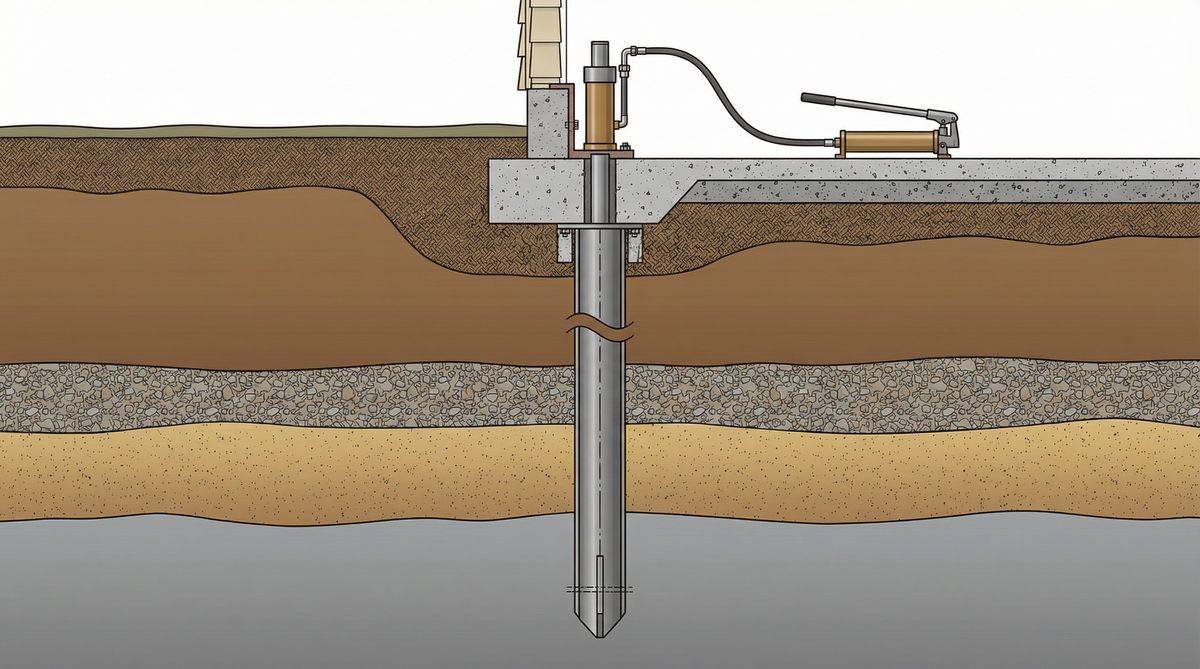
Yes, the vast majority of foundation issues can be permanently repaired without tearing out and replacing the entire structure. Modern repair techniques, such as installing steel push piers, helical piers, or utilizing polyurethane slab jacking, can lift and stabilize a sinking foundation from below. Full foundation replacement is generally a last resort reserved for extreme, catastrophic failure.
Conclusion
The structural integrity of a home relies entirely on the health of its foundation. Ignoring the early warning signs of settlement—from sticking doors to stair-step cracks—only invites escalating damage and exponential repair costs. By understanding the root causes of structural shifting and utilizing modern inspection technologies, property owners can catch minor issues before they evolve into major crises. Proactive maintenance and early identification are not just about fixing cracks; they are vital investments in the long-term safety, stability, and financial value of any property.