Many gardeners reach for their shears when they see a plant becoming unruly or messy. While this may seem like a normal response, these gardeners are missing the point of what pruning accomplishes. In reality, when performed properly, pruning serves as the best defense against potential pest and disease issues – and it eliminates the need for chemical sprays.
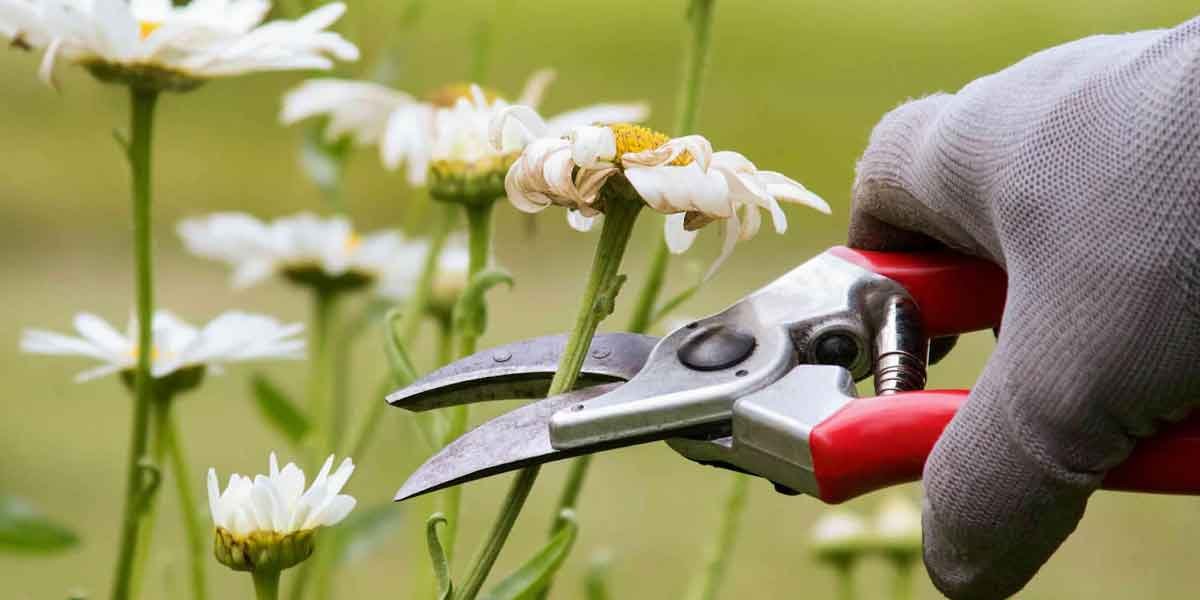
The overall structure of a plant is what determines its overall health. Dense, overhead canopies tend to trap moisture while blocking out the sunlight – thus providing ideal conditions for fungal diseases to gain a foothold. Additionally, it is a perfect hiding and breeding spot for insects. Most of those garden pests are likely to be eliminated or greatly reduced by proper pruning.
Start With The Three Ds
Before considering shape or size, take a walk around each plant and cut out anything dead, damaged, or diseased. This is not optional preparation – it is the most important cut you will make. Dead wood is unsightly but, more importantly, it is actively inviting pathogens into the plant, and those pathogens will infect healthy tissue if you don’t take the entry point away.
Begin at the base and work your way up. When you hit diseased wood, cut further back from the obvious damage until you’re in clean, white tissue. Then stop, wipe your blades with isopropyl alcohol, and only then move to the next plant. Skipping sanitization is how a fungal problem in one corner of the garden becomes a problem everywhere else too.
Dense Foliage Creates Pest Habitat
When you don’t keep up with maintenance in your garden, the plants become overgrown and that can become a haven for pests and insects. The crowding of plants allows pests like aphids, scale, and mealybugs to have a breeding ground that protects them from their natural predators. Also, low branches touching soil or other plants allow common household pests such as ants easy access to the leaves of plants so they can feed on excretions left by pests and even take the pests into the shelter of the plant.
Dead, decaying debris left under deadwood provides breeding ground for earwigs and beetles. For gardens that border the home’s foundation or have persistent insect pressure that structural pruning hasn’t resolved, candor pest control meridian offers perimeter treatments that work alongside good plant hygiene rather than substituting for it. Also without regular pest control, many insects that feed on the sap of plants or that perforate the leaves of plants can go unnoticed and multiply.
Understand Your Cuts Before You Make Them
There are two types of cuts you should be familiar with. Thinning cuts are cuts that eliminate an entire branch, sending it back to the point from which it began. These are the best cuts to use if your goal is to open the plant up without inducing a bunch of new growth. Heading cuts, on the other hand, remove only the tip of a branch and in so doing, break apical dominance in the tip of the plant and cause the lateral buds below to pop new shoots.
Use thinning cuts when you want to promote airflow and light penetration. Use heading cuts when you want a fuller plant. Unfortunately, most people default to heading cuts and end up with plants that are full on the outside and dark and congested in the middle – which is exactly where powdery mildew and spider mites like to hang out.
Make whichever cut you’re going to make at a 45-degree angle, about a quarter inch above a bud that is oriented away from the center of the plant. The angle is to prevent water from collecting in the wound and causing problems. The orientation of the bud is to direct the new growth.
Timing Matters More Than Most People Realize
Pruning when it’s not the right time doesn’t just reduce the number of flowers – it can make a plant lose an entire season of growth. The most important rule to follow is: plants that bloom on old wood (like lilacs, forsythia, and many climbing roses) will have flower buds for the next year on the growth of the current year. If you prune them in winter, you’re cutting all that off. But if you prune them right after flowering, you’re safe.
Plants that bloom on new wood will form their flower buds on the growth of the current spring. These ones you prune when they’re almost dormant, in late winter, before the new growth has a chance to start. Once you figure out to which category the plant you want to prune belongs, the timing follows easily.
In general, it’s a good idea to prune woody plants during dormancy. Since there’s very little sap running, the plant is less likely to lose important nutrients, and without any leaves, you can really see what you are doing. It’s easy to notice what branches are crossing or rubbing each other, and which ones are causing the plant to grow inward instead of forming a nice shape.
What Not To Do
Cutting back the main leader of a tree to a stump to reduce its height – also known as topping – is the single most harmful thing you can do to a woody plant. The stress response is a cluster of fast, weak shoots known formally as a waterspout. They grow quickly, look full, and produce almost nothing of value. They’re also more prone to breakage and more attractive to certain boring insects than healthy wood.
The same principle applies to over-pruning in general. Remove more than 25% of a plant’s canopy in a single season and you’re really starting to stress it out. If it needs a lot taken off, do it over a couple of years.