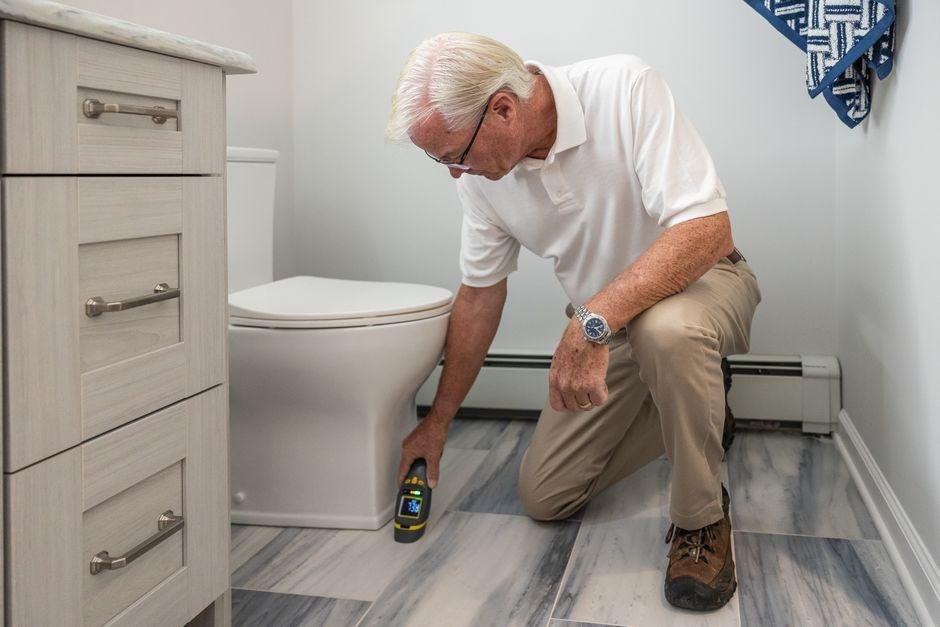
If you own, rent, buy, or sell property, plumbing has a sneaky way of shaping the whole experience. A small leak can turn into stained ceilings, warped floors, or a buyer walking away after inspection. In places like Huntington, NY, where older homes and seasonal weather can put extra stress on pipes, plumbing issues aren’t just maintenance chores. They can influence comfort, repair costs, and real estate decisions faster than you’d expect.
Small Plumbing Issues Rarely Stay Small
A dripping faucet looks harmless. A slow drain feels annoying, not urgent. Underneath that calm surface, plumbing problems often act like quiet saboteurs. Tiny leaks can soak cabinets, feed mold, and weaken drywall before you even spot the damage.
If you’re living in an older home, aging supply lines and worn seals can make these issues more common. Even newer homes aren’t immune. Bad installation, cheap fixtures, or ignored maintenance can still create expensive surprises.
You also need to think beyond the pipe itself. Water travels. It can damage flooring, ruin baseboards, and stain lower levels. By the time a problem becomes visible, your repair bill may already have upgraded itself without asking permission.
Why Local Knowledge Matters When You Need Repairs
Plumbing is never completely generic. The age of the neighborhood, climate patterns, municipal water conditions, and common building styles all shape what tends to go wrong. A local professional often understands these patterns much faster than someone using a one-size-fits-all approach.
Look up plumbers near me to find local professionals who can diagnose and repair the specific plumbing problems affecting your home.
Finding skilled support ensures that your underlying pipe networks receive the right care before minor leaks impact your property value. Homeowners can count on Foster Plumbing & Heating to provide reliable evaluations and regular upkeep that keep structural systems in top condition. Routine service helps maintain long-term safety, prevents unexpected disruptions, and supports everyday home efficiency.
Compare their experience, services, availability, reviews, and estimates before choosing someone for the job. Checking whether a plumber regularly handles your type of problem is particularly important, since plumbing professionals can specialize in different kinds of repairs and systems.
That local angle matters in real estate too. Buyers want reliable systems, and sellers benefit from repairs that actually address the real problem instead of covering up the symptoms for a few months.
Plumbing Affects Real Estate More Than Most People Realize
When you’re buying or selling a home, plumbing can heavily influence negotiations. Buyers notice low water pressure, slow drains, rusty water, and signs of past leaks. Inspectors notice even more, and their reports tend to remove any mystery.
A home with solid plumbing feels cared for. A home with recurring water issues feels risky, even if the kitchen looks great in photos. That can change how buyers value the property or whether they make an offer at all.
For sellers, fixing problems early can protect both pricing and credibility. For buyers, getting a thorough inspection matters because plumbing defects are not glamorous, but they are expensive. No one wants to discover a hidden leak right after getting the keys and celebrating with pizza.
The Most Common Red Flags You Should Watch For
You don’t need to be a plumber to notice warning signs. You just need to pay attention before small clues become demolition projects. Several issues tend to show up before major plumbing failures.
Watch for these common red flags:
– Water stains on ceilings or walls
– Musty smells under sinks or in basements
– Gurgling noises from drains or toilets
– A sudden increase in your water bill
– Weak water pressure in one or more fixtures
– Slow drainage in tubs, sinks, or showers
– Peeling paint or warped flooring near plumbing lines
If you’re checking out a property, these details deserve a second look. If you already own the place, they’re your cue to act early instead of letting the problem grow roots.
Older Homes Bring Character and Plumbing Challenges
Older homes can be charming. Original trim, solid construction, and unique layouts give them personality. They can also hide plumbing systems that are well past their prime. That charming bungalow may have pipes with opinions.
In many older properties, you might run into outdated materials such as galvanized steel, aging copper joints, or old sewer lines affected by tree roots. These systems may still function, but function and reliability are not always best friends.
If you’re buying an older home, ask specific questions about plumbing updates. Has the water heater been replaced recently? Have supply lines been upgraded? Was the sewer line ever scoped? Those details matter.
If you already own an older home, preventive inspections can help you prioritize upgrades before an emergency forces your hand at the worst possible time.
Preventive Maintenance Saves More Than Money
Most people think of plumbing maintenance only after something goes wrong. That approach tends to cost more, disrupt your schedule, and create stress that nobody has time for. Preventive care works better because it catches issues while they’re still manageable.
A basic maintenance routine can include checking under sinks for moisture, inspecting exposed pipes, testing water pressure, flushing the water heater when appropriate, and watching for changes in drain speed. These tasks are simple, but they build awareness.
Professional inspections also have value, especially before listing a property or after purchasing one. You get a clearer picture of what needs immediate attention and what can wait. That helps you budget realistically instead of reacting to emergencies that arrive with terrible timing and even worse invoices.
Plumbing Upgrades Can Improve Daily Living and Resale Appeal
Not every plumbing project is about damage control. Some upgrades improve comfort, efficiency, and long-term value. Replacing an old water heater, updating worn fixtures, or installing better shut-off valves may not sound thrilling, but they can make a home work better every day.
Efficiency upgrades can also lower utility use. Low-flow toilets, modern faucets, and leak-resistant fixtures often appeal to buyers who want lower maintenance and fewer future expenses. In competitive markets, practical improvements can quietly strengthen your home’s appeal.
Still, not every upgrade delivers the same return. Focus first on reliability and function. A stylish faucet means very little if the drain line underneath is failing. In real estate and in daily life, solid plumbing tends to beat flashy finishes every single time.
Smart Plumbing Decisions Protect Your Home Investment
A house is more than walls and square footage. It’s a system, and plumbing plays a major role in how safely and comfortably that system works. Ignoring warning signs can lead to structural damage, insurance headaches, and reduced property value.
If you’re buying, selling, renting, or maintaining a home, treat plumbing as a serious part of the property, not a background detail. Pay attention to signs of trouble, ask direct questions, and get expert help when something seems off.
Good plumbing rarely gets applause because it does its job quietly. That silence is valuable. It protects your budget, supports your home’s value, and keeps everyday life running without surprise indoor waterfalls. For most homeowners, that’s a pretty good deal.