Printing utilizes different methods to transform standard documents into visually engaging experiences. Authors and designers select specialized techniques to enhance their projects. Here are a few methods for creative book printing:
Digital Color Printing
Digital printing produces full-color, grayscale, or sepia-toned files directly onto different surfaces. This technique eliminates the need for physical printing plates, allowing for ink deposition based on data from computer image files. It supports rapid production and is effective for on-demand projects or short print runs. The process offers high color accuracy and vibrant results suitable for professional catalogs and lookbooks. By blending cyan, magenta, yellow, and black (CMYK), professionals can create many different colors.
The CMYK method is effective for fine art printing and photographic reproductions, where the project’s success depends on capturing details. Experts add black ink as a component to provide depth and shading needed to define images and contrast. Digital printing makes it easy to switch between different custom jobs and to personalize each printed copy with unique information.
Custom Case Binding
Professionals employ case binding to create durable, high-quality books. This technique involves a multi-step assembly process that delivers a classic, professional aesthetic. Experts group the book’s interior pages, then sew or glue them into the spine. They subsequently encase these sections in a hard casing made from rigid boards. Clients can choose from different materials like cloth, vinyl, or adhesive paper sheets, custom-printed and mounted onto the covers. Custom base binding includes the addition of front and endpapers glued into the cover. Further personalization with custom-printed dust jackets helps add extra style. Custom binding is often chosen for projects that require long-term durability, such as archival records or art books.
Spiral Coil Binding
In professional book printing, custom coil binding is used to assemble documents that are handled frequently. The process involves threading a continuous plastic or metal coil through a series of closely spaced holes punched along the edge of the pages. The coil acts as a flexible hinge, allowing the finished piece to lie flat or fold back on itself. Coil bindings are available in a range of colors and diameters, which can be selected to complement the cover design or accommodate different page counts.
Plastic coils are durable and tend to maintain their shape during regular use, making them suitable for manuals, cookbooks, and workbooks. This binding method supports smooth page turning and works with a variety of paper weights, including heavy cardstock covers and plastic overlays. Optional transparent acetate or vinyl covers can be added to improve durability by protecting the interior pages from spills and surface wear. The flexibility of the coil also helps prevent the document from closing on its own during use.
Perfect Bound Finishing
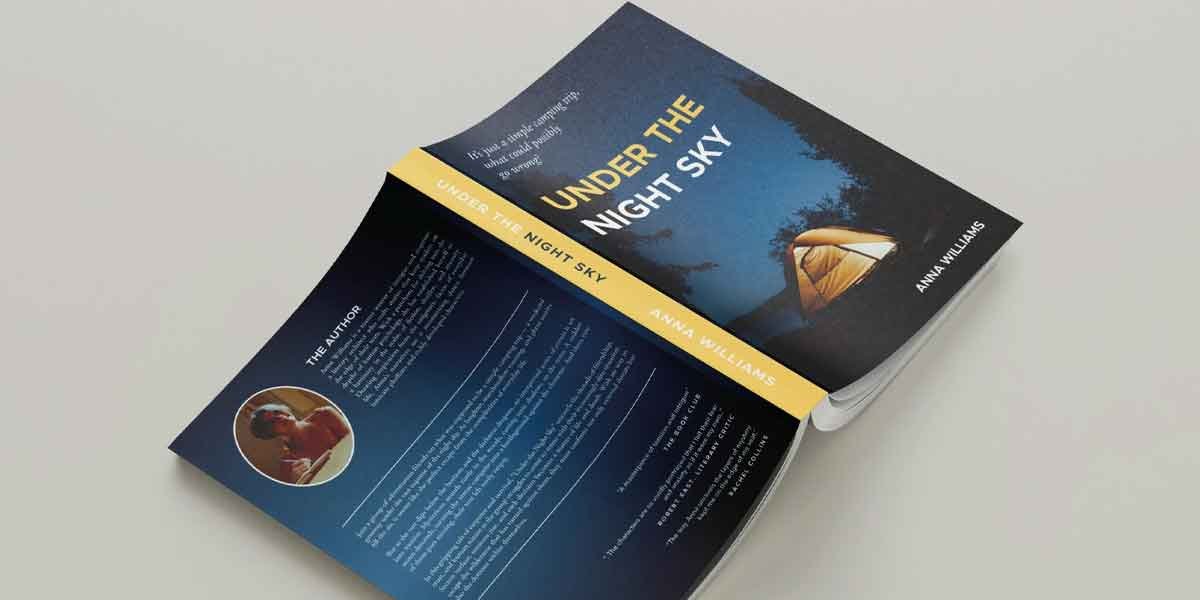
Perfect binding gives softcover books a clean, retail-ready appearance. In this process, the interior pages are gathered into a single block, and the spine edge is roughened to increase the surface area for adhesion. A strong thermal adhesive is then applied to secure a wrap-around cover. The adhesive forms a flat, squared spine, which allows the book’s title and author name to be printed directly on the edge, making the volume easy to identify when shelved. This finishing method is commonly used for trade paperbacks, high-end magazines, and corporate catalogs because of its polished look. The flat spine provides space for branding or design elements, and the cover can be finished with matte or gloss coatings for added visual impact. Modern adhesives are designed to keep pages firmly attached, even with regular handling.
Offset Lithography Printing
Offset lithography is commonly used to produce high-volume print projects that require consistent color reproduction. The process is based on the principle that oil and water repel each other and uses metal plates to carry the image. Ink is first transferred from the plate to a rubber blanket and then onto the printing surface, which reduces direct wear on the plates and helps maintain image quality throughout long press runs. This method produces sharp, clean results and is well-suited to large production volumes. Key characteristics of offset lithography include:
- Compatibility with a wide range of materials
- High-resolution image detail
- Efficiency for large-scale printing
Offset lithography works with many paper stocks. Such types include coated, uncoated, and specialty finishes that enhance a book’s tactile and visual qualities. The mechanical precision of the press allows fine lines and intricate typography to be reproduced with clarity and consistency.
Learn More About Book Printing
Professionals offer a variety of book printing methods to offer polished, professional-looking results. Whether you want simple design elements or intricate features, reliable printers will customize the book to your goals. Contact a reputable commercial printing company to learn more about their services.