

The right metal detecting gear helps detectorists move efficiently, recover targets carefully and stay prepared for changing ground conditions.
A detector may lead you to a promising signal, but the rest of the recovery depends on the equipment you carry. A target can be hidden inside compact soil, wet sand, thick roots or a loose plug. Without suitable tools, even a clear signal may take too long to recover.
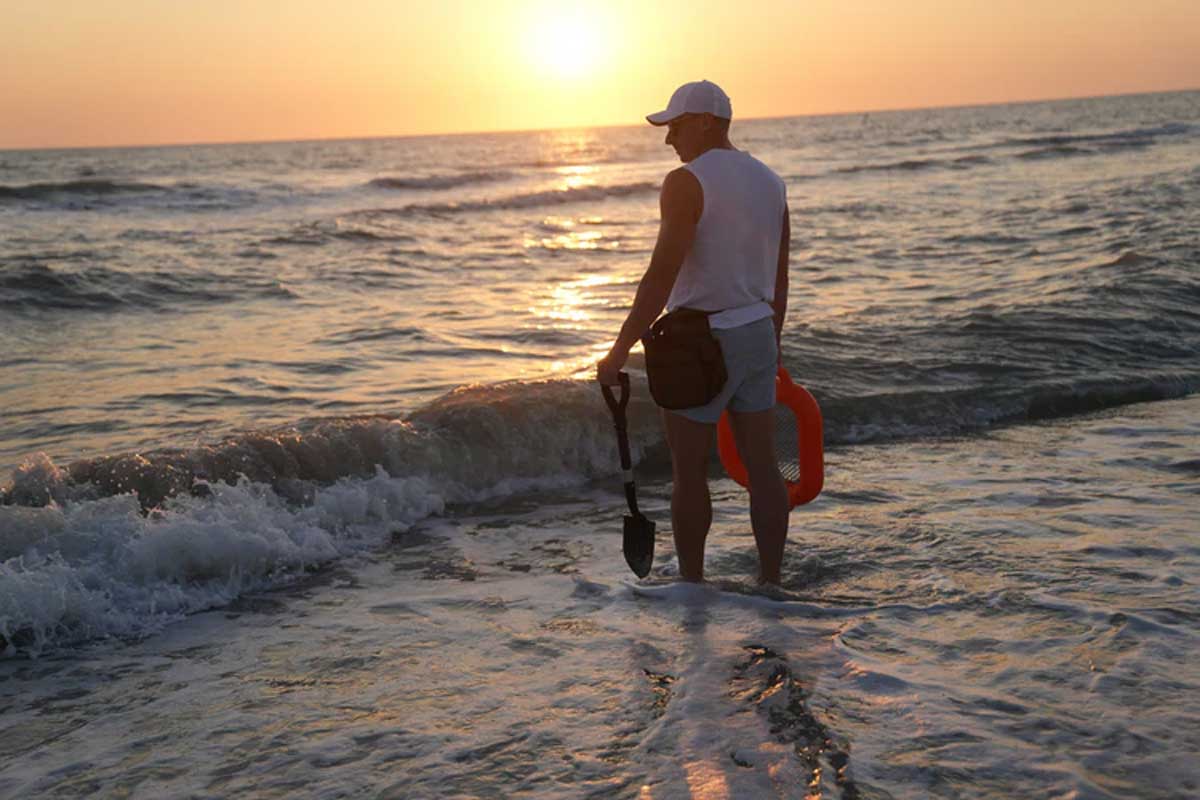
The goal is not to carry the largest possible collection of accessories. A useful setup should remain comfortable, organized and suited to the location.
Start with accurate target recovery
A pinpointer is one of the most practical additions to a detecting kit. It helps locate a target after the main detector has identified the general area.
The object may still be inside the hole, hidden in the sidewall or mixed with removed soil. A pinpointer reduces guesswork and helps prevent unnecessary digging.
This is especially useful when searching for small coins, jewelry, buttons and thin pieces of metal that may be difficult to see.
Choose digging gear for the surface
Digging conditions vary significantly between locations. Soft soil may only require a compact hand tool, while dry ground, clay and roots demand stronger metal detecting equipment.
A narrow digger provides better control in parks and maintained grass. It helps create a smaller recovery area and makes it easier to replace the soil afterward.
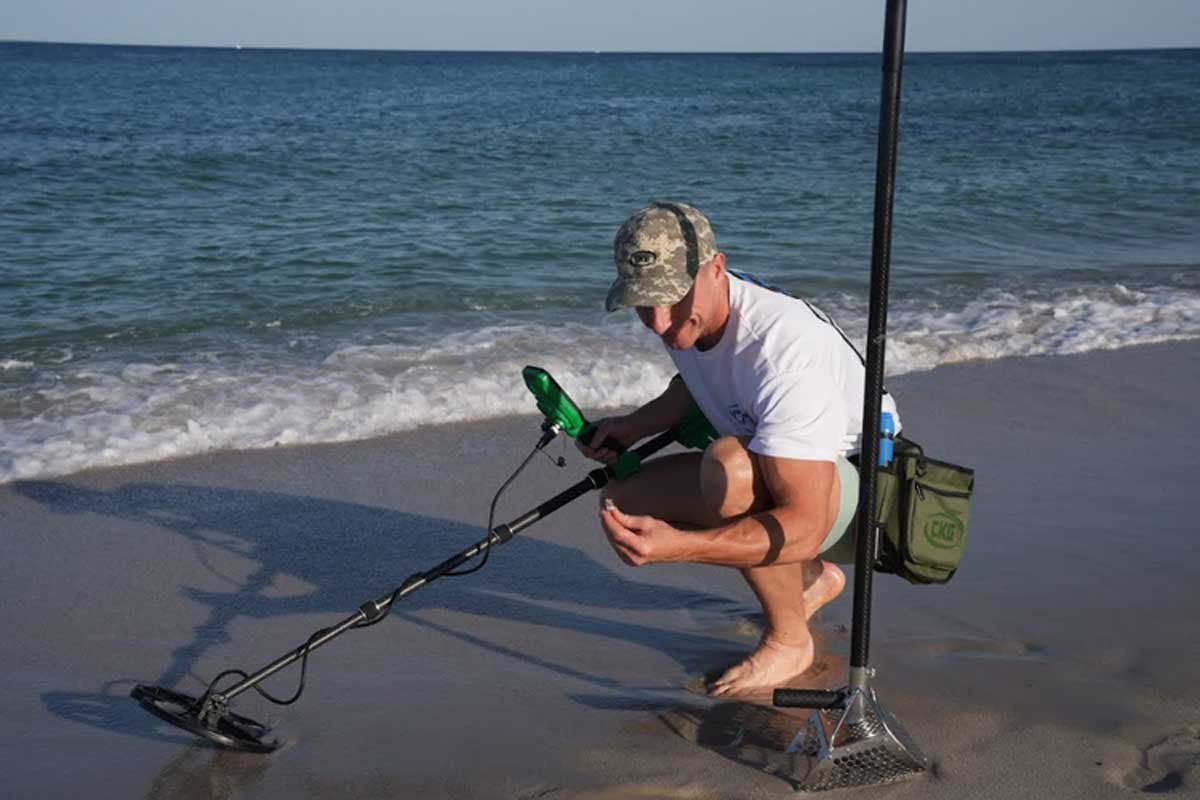
Fields and wooded locations may require a longer shovel with more leverage. At the beach, a perforated scoop is often the better choice because sand can pass through while the target stays inside.
Using the correct tool saves effort and helps protect both the find and the search area.
Keep valuable finds separate from trash
A good finds pouch is an important part of practical metal detecting supplies. During one hunt, a detectorist may recover coins, jewelry, bottle caps, nails, foil and sharp pieces of metal.
Separate sections make it easier to protect useful finds while carrying unwanted objects safely. Removing trash also improves the location for future searches and prevents the same item from producing another signal.
The pouch should remain secure while walking, bending and kneeling. Some designs also provide space for a pinpointer or hand digger.
Comfort matters during longer hunts
Several hours of swinging a detector can place strain on the hand, wrist and shoulder. Small changes to the setup may noticeably improve comfort.
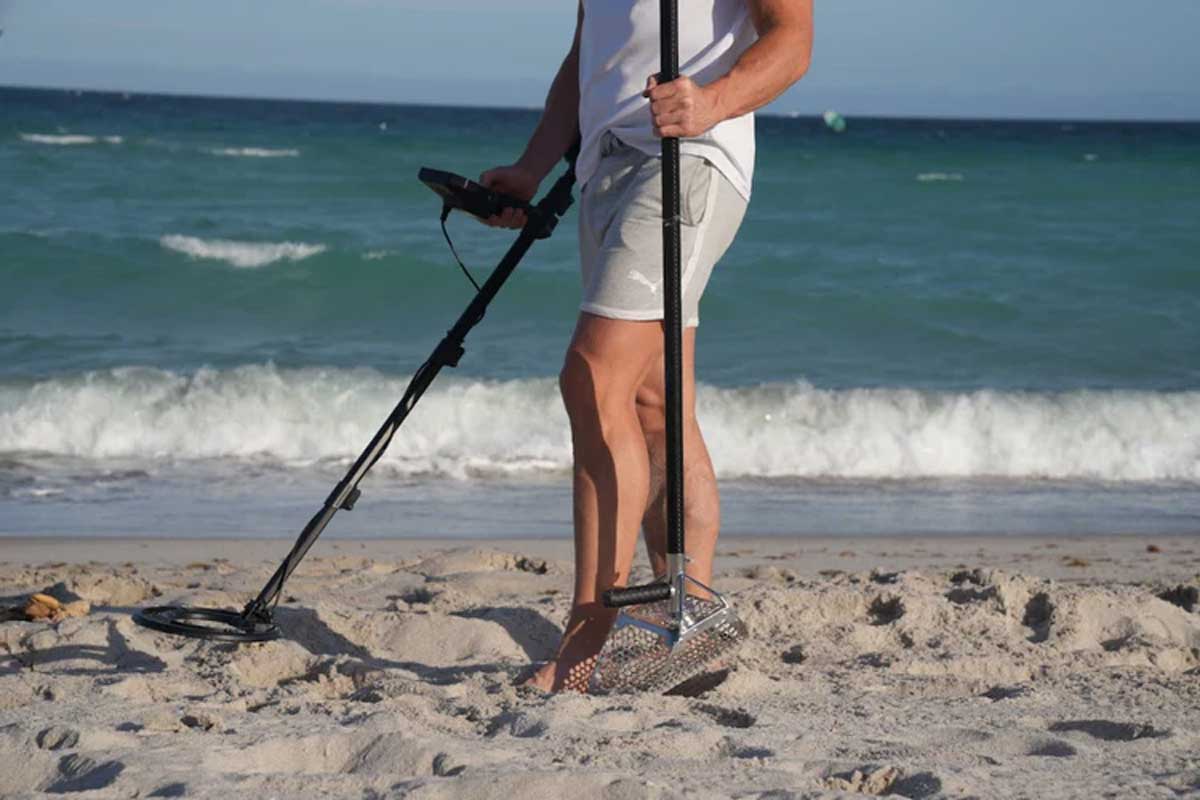
A suitable detector shaft helps maintain the correct length and balance. A secure arm cuff gives the user more control, while a comfortable grip can reduce fatigue during repeated movements.
Belt attachments and tool holders are also useful when they keep essential accessories within reach. However, too many hanging items can become distracting, especially in woodland or areas with dense vegetation.
Adapt the setup to each location
A single gear list cannot cover every style of detecting. The equipment should reflect the environment.
For a short park hunt, a detectorist may only need a pinpointer, compact digger, gloves and pouch. A field search may call for a shovel, backpack and protective box for relics. Beach detecting generally requires a sand scoop, wet-condition storage and tools that can be rinsed after exposure to salt.
Before packing an accessory, consider whether it will help with:
- locating a target;
- opening the ground;
- separating soil or sand;
- protecting recovered items;
- improving comfort;
- carrying equipment safely.
Every item should have a clear purpose.
Build a kit that supports your search
Reliable metal detector accessories make target recovery smoother, but more equipment does not automatically produce better results. Heavy or poorly organized gear can slow the detectorist down and make long walks less enjoyable.
A well-planned set of metal detecting gear should support the complete hunt without getting in the way. When the tools match the terrain and remain easy to access, the detectorist can focus on reading signals, investigating promising areas and recovering finds responsibly.
You Might Also Like...
 Earth Control Measures: A Complete Guide to Soil Protection and Climate Resilience
 The Ultimate Guide to Carbon Monoxide Detector Placement: Protecting Your Home from the Silent Killer
 The Science Behind Recovery for Improved Lifestyle Balance
 The Ultimate Above Ground Pool Selection Guide: 2026 Edition
