One such word is jememôtre. It represents a powerful and deeply resonant concept of regaining self-awareness. It is the art of remembering yourself in a world that constantly asks you to be someone else. This term is more than a fleeting trend; it’s a response to a universal need.
This guide is the most comprehensive exploration of jememôtre available. We will move beyond simple definitions to uncover its cultural roots and psychological depth. More importantly, you will learn actionable steps to cultivate it, enriched with real-world examples and expert insights. Prepare to reconnect with yourself.
What is Jememôtre, Really? Beyond the Simple Definition
So, what is jememôtre? At its heart, the term is a fusion of two powerful ideas: remembering oneself and maintaining emotional presence. It’s the conscious act of looking inward. You acknowledge your history and your feelings without judgment. It is a quiet anchor in the storm of daily life.
Jememôtre doesn’t have a single, rigid definition. That is its strength. Research shows it exists in a fascinating duality. On one hand, it is an emerging cultural practice—a way for communities to preserve identity. On the other, it is a digital concept, a tool for finding clarity online. It bridges the old world and the new.
Think of it as your internal compass. It guides you back to your authentic self when external pressures pull you off course. It’s not about escaping the world. It’s about being fully in it, but on your own terms. This is the foundational power of jememôtre.
The Cultural Roots: Where Does Jememôtre Come From?
Jememôtre feels both timeless and distinctly modern. Its origins are not found in ancient texts but in the shared human need for meaning. The term’s structure suggests a strong influence from French, likely a blend of “je me” (I, myself) and a conceptual suffix like “môtre” which evokes measurement or being.
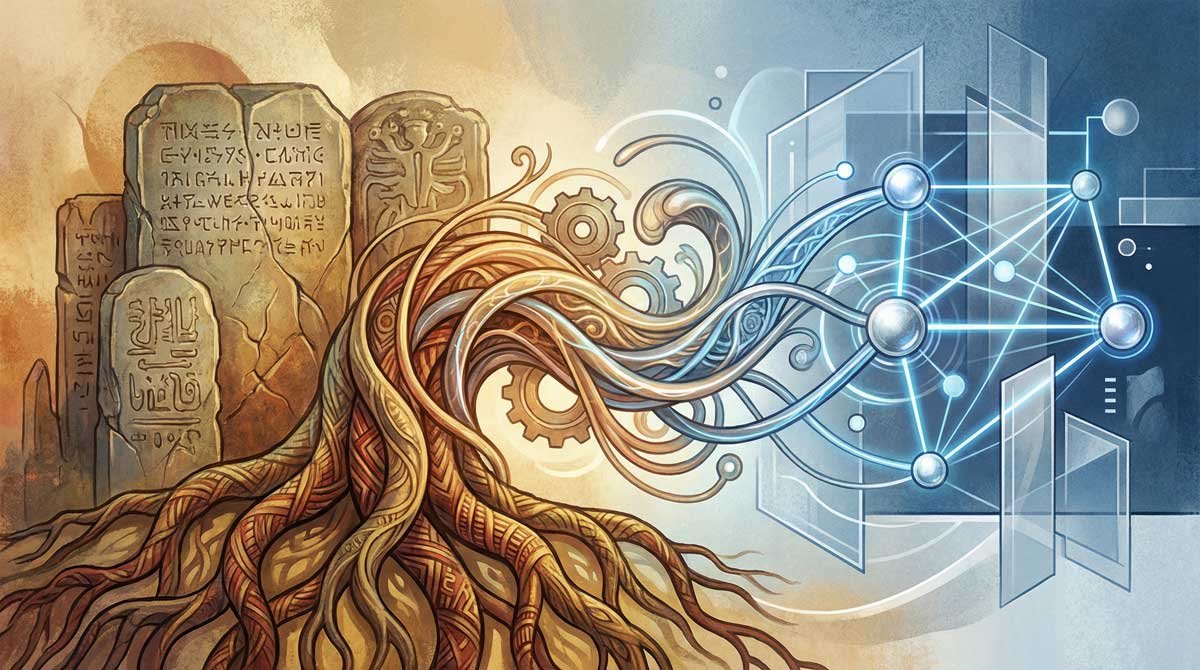
This linguistic blend is not an accident. It reflects a cultural practice of weaving together identity and continuity. In many traditions, rituals and stories serve as the thread connecting past generations to the present. Jememôtre acts as a modern version of this, a framework for understanding who we are in a world of constant change. It’s a bridge between our heritage and our future.
It is less about a specific location and more about a shared mindset. It thrives in communities that value introspection and collective responsibility. This concept provides a space to honor tradition without fearing progress, creating a resilient cultural identity that adapts and grows.
The Psychology of Jememôtre: A Deep Dive into Self-Mastery
While jememôtre is a cultural concept, it aligns powerfully with key psychological principles. It is the practical application of self-mastery—a deep and intentional relationship with your inner world. It’s more than just a feeling; it’s a cognitive and emotional practice.
Psychologists often speak of introspection and self-awareness as pillars of mental health. Jememôtre provides a name for the active process of engaging with these pillars. It’s the quiet moment you pause before reacting. It’s the clarity that comes from understanding why you feel a certain way. This practice builds emotional resilience and strengthens your sense of self.
However, it is crucial to distinguish jememôtre from similar-sounding concepts. It is not nostalgia, which often idealizes the past. It is not simple mindfulness, which focuses solely on the present moment. Jememôtre is unique because it integrates the wisdom of your past with the reality of your present, creating a more cohesive self-narrative.
To clarify these distinctions, consider the following breakdown:
| Concept | Core Focus | Key Limitation |
|---|---|---|
| Jememôtre | Integrated Self-Awareness | Requires active, ongoing practice. |
| Mindfulness | Present Moment Focus | Lacks the element of historical self-reflection. |
| Nostalgia | Fond Past Memories | Can lead to disconnection from the present. |
| Self-Awareness | Static Knowledge of Self | Can be passive without an active practice. |
This table shows that while other concepts are components of a healthy mind, jememôtre offers a more holistic and dynamic framework. It is the ongoing, conscious process of knowing and becoming yourself.
Jememôtre in Action: Real-World Case Studies
Abstract concepts come to life through stories. While jememôtre is a personal journey, we can see its principles reflected in the choices of individuals and brands who prioritize authenticity. Here are a few case studies that illustrate jememôtre in practice.
Case Study 1: The Designer Who Beat Burnout
Meet Alex, a talented graphic designer in a fast-paced agency. The constant pressure to innovate left Alex feeling drained and disconnected from the passion that once fueled the work. Burnout was looming. Instead of pushing harder, Alex began practicing jememôtre. This involved starting each day with five minutes of silence, simply noticing thoughts without judgment. Before starting a new project, Alex would journal for ten minutes, reconnecting with the core reason for being a designer. This small, consistent act of self-remembrance created a buffer against the external chaos. The work became more authentic, and the joy returned.
Case Study 2: The Brand That Built a Community
A small, sustainable clothing brand, “Terra Threads,” was struggling to compete with fast-fashion giants. Instead of flashy ads, their marketing team embraced jememôtre. Their social media stopped focusing on sales. Instead, it highlighted the stories of the artisans who made the clothes and the customers who wore them. They hosted online workshops on conscious consumption and mending clothes. Their tagline became “Wear Your Story.” By focusing on shared values and authentic connection, Terra Threads built a loyal community that cared more about purpose than price. They didn’t just sell clothes; they offered a way to express a mindful identity.
A Global Perspective: How Different Cultures Practice Jememôtre
The desire to know oneself is universal. While jememôtre is a new term, its essence echoes in wisdom from cultures across the globe. Understanding these parallels enriches our appreciation for this shared human quest. It shows us that we are all seeking a similar sense of balance and purpose.
This concept is not isolated. It is part of a global conversation about living a more meaningful life. Here’s how jememôtre compares to other cultural philosophies:
- Ikigai (Japan): This is your “reason for being.” It’s the intersection of what you love, what you are good at, what the world needs, and what you can be paid for. Like jememôtre, Ikigai is a deep form of self-awareness that provides direction and purpose.
- Hygge (Scandinavia): This concept is about creating a cozy, contented atmosphere and enjoying the simple pleasures of life. While Hygge is more external, it shares jememôtre’s emphasis on intentionality and finding joy in the present moment, away from external pressures.
- “Know Thyself” (Ancient Greece): Inscribed at the Temple of Apollo at Delphi, this maxim is the cornerstone of Western philosophy. It is a direct command to pursue self-knowledge. Jememôtre provides a modern framework for how to do that in a world the ancient Greeks could never have imagined.
These concepts, each born from a different culture, all point to the same fundamental truth. A meaningful life begins with looking inward. Jememôtre is simply the newest language for this ancient journey.
Your Practical Guide: 7 Steps to Cultivate Jememôtre Daily
Jememôtre is not a destination you arrive at. It is a practice you cultivate, moment by moment. It doesn’t require hours of meditation or a silent retreat. It can be woven into the fabric of your everyday life through small, intentional actions. Here is a practical, seven-step guide to begin your journey.

- The Morning Anchor. Before you reach for your phone, take five minutes. Sit quietly and notice your breath. Ask yourself: “How do I feel right now?” and “What is my intention for the day?” This simple act grounds you in yourself before the world rushes in.
- The Digital Pause. Choose a specific time each day to consciously disconnect. Put your phone in another room for 30 minutes. Notice the urge to check it, and then gently bring your attention back to your physical surroundings. This builds your muscle of intentional focus.
- The Reflective Journal. End your day by writing down one moment where you felt truly yourself. What were you doing? Who were you with? Also, note one moment where you felt disconnected. This practice reveals patterns in your emotional life.
- The Sensory Walk. Once a week, take a 15-minute walk without headphones or any other distraction. Pay attention to the five senses. What do you see, hear, smell, feel, and even taste? This pulls you out of your head and into the present moment.
- The Intentional Conversation. In your next conversation, practice active listening. Put your own agenda aside and focus completely on what the other person is saying. This act of presence strengthens your connection to others and to yourself.
- The Creative Outlet. Spend 20 minutes a week on a creative activity with no goal in mind. Doodle, dance, write a poem, or play an instrument. This is not for an audience; it is purely for expressing your inner state without words.
- The Evening Review. Before sleep, acknowledge your emotional journey of the day. Silently thank yourself for navigating its challenges and celebrating its small joys. This fosters self-compassion, a cornerstone of jememôtre.
Start with just one of these steps. The goal is not perfection, but gentle, consistent practice. Each step is a thread, and over time, they weave together to create a stronger connection to the person you truly are.
Jememôtre in the Digital Age: A Tool for Modern Minds
It is no coincidence that a concept like jememôtre is gaining traction now. We live in an age of information overload, where algorithms are designed to capture our attention and hold it for as long as possible. The constant stream of notifications, emails, and social media updates creates a state of perpetual distraction. This digital noise makes it increasingly difficult to hear our own inner voice.
Jememôtre emerges as a powerful antidote. It is a form of digital mindfulness, a conscious choice to curate our online experience with the same care we give to our physical environment. This can be seen in the way people are using the term online. It appears as a quiet rebellion in usernames and hashtags, a signal of an intention to engage with the digital world more thoughtfully. The growing search interest in “jememôtre” is not just idle curiosity; it is a clear indicator of a collective yearning for depth and authenticity in a world dominated by superficiality.
This concept encourages us to move from being passive consumers of content to active architects of our digital lives. It prompts us to ask critical questions: Does this platform nourish my mind or drain my energy? Am I using this tool with intention, or is it using me? By applying the principles of jememôtre, we can transform our relationship with technology from one of distraction to one of connection.
The Future of Jememôtre: An Expert Outlook
As our world becomes more complex, the need for internal clarity will only grow. What does the future hold for a concept like jememôtre? We gathered insights from experts in linguistics, psychology, and branding to understand its potential trajectory.
“Words like jememôtre are born from a collective emotional need,” notes Dr. Aris Thorne, a cultural linguist. “They fill a gap in our existing vocabulary. Its blend of French-inspired elegance and deep personal meaning makes it both memorable and adaptable. I expect to see its usage grow in niche communities focused on wellness and creativity.”
From a psychological standpoint, the concept is already aligned with a major shift in mental health.
Dr. Lena Hanson, a clinical psychologist, explains: “We are moving away from a purely diagnostic model of mental health towards a more holistic and preventative one. Practices that build self-awareness and emotional resilience, like jememôtre, are at the forefront of this movement. It gives people a tangible framework for a practice that we know is essential for long-term well-being.”
Even the world of branding is taking notice. Authenticity has become the most valuable currency, and concepts like jememôtre resonate deeply with modern consumers.
“Brands can no longer just sell a product; they have to sell a story and a set of values,” says Marcus Cole, a leading brand strategist. “A concept like jememôtre is powerful because it’s not a marketing gimmick. It’s a genuine human aspiration. The brands that successfully embody this ethos of self-awareness and authenticity will be the ones that thrive in the coming decade.”
These expert perspectives all point to a similar conclusion. Jememôtre is not a fleeting trend. It is a response to a fundamental human need, amplified by the pressures of modern life. Its future is not in becoming a mainstream buzzword, but in its quiet, steady integration into the lives of those seeking a more intentional and authentic existence.
Frequently Asked Questions About Jememôtre
As this powerful concept gains recognition, many questions arise. We’ve gathered the most common ones to provide you with clear, concise answers to deepen your understanding.
- 1. What does jememôtre mean in simple terms?
- In simple terms, jememôtre is the practice of remembering yourself. It’s about consciously staying connected to your own thoughts, feelings, and values, especially when the outside world is demanding your attention. It is a blend of self-awareness and emotional presence.
- 2. Is jememôtre a real word?
- Jememôtre is not a word you will find in a traditional dictionary. It is an emerging, or neologistic, term that has gained meaning through its use in digital culture and creative communities. Its power comes from its ability to describe a modern experience that older words cannot fully capture.
- 3. How can I start practicing jememôtre today?
- You can start today with a very simple step. Try the “Morning Anchor” practice mentioned in our guide. Before checking your phone, take just five minutes to sit in silence, notice how you feel, and set a single, clear intention for your day. This small act begins the process of building self-awareness.
- 4. How is jememôtre different from mindfulness?
- This is a great question. While related, they are different. Mindfulness primarily focuses on being aware of the present moment without judgment. Jememôtre includes this present-moment awareness but also integrates a conscious connection to your past experiences, memories, and evolving identity. It’s a more holistic form of self-reflection.
- 5. Why is this concept becoming so popular now?
- Jememôtre is rising in popularity as a direct response to our increasingly noisy and distracting digital world. Many people feel a sense of disconnection and are actively seeking ways to build a more authentic and intentional life. This concept provides a name and a framework for that universal human desire.
Your Journey Starts Now
Jememôtre is more than just an interesting word. It is an invitation. It is a quiet call to return to yourself, to listen to the voice that gets drowned out by the endless scroll and the constant notifications. It is the practice of building a life that feels authentic from the inside out.
You don’t need to make a radical change. You only need to begin. Choose one small step from this guide and practice it with gentle consistency. The journey of a thousand miles, as they say, begins with a single step. Your journey back to yourself starts now.
We invite you to share your own “jememôtre moments” in the comments below. What small acts help you reconnect with yourself? Your story could be the inspiration someone else needs to begin their own journey.
References
- Psychology Today. “Self-Awareness.” https://www.psychologytoday.com/us/basics/self-awareness
- Cultural Anthropology. “Identity.” https://culanth.org/fields/identity