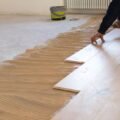
Is refinishing hardwood floors worth it? Yes, for most worn-but-sound floors, because a refinish restores the finish for about $3 to $8 per square foot, far less than replacement, and it typically recoups its value when you sell. It is most worthwhile when the floor has strong wear but a sound board with enough surface left to sand, which a solid hardwood floor offers several times over a lifetime. It is not worth it, and can even damage the floor, when the surface layer is thin, the boards are water-damaged or moldy, or there is structural movement beneath.
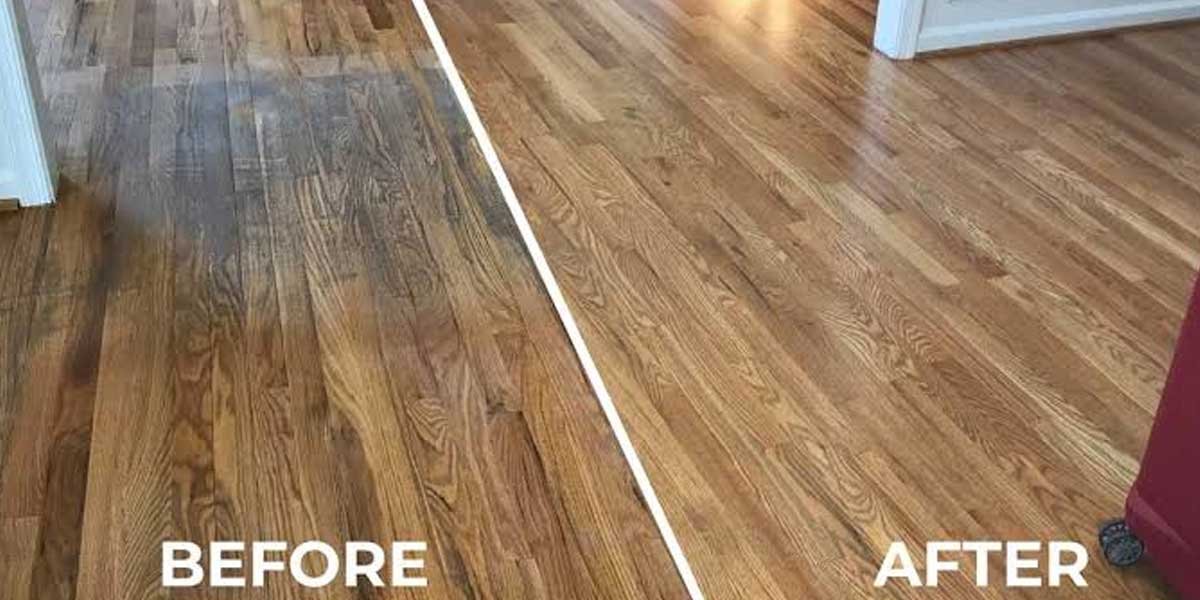
The honest answer is not a single yes or no. It is a judgment about how much wood is left to sand and whether the damage is in the finish or in the board, and that judgment, more than the price, decides whether the money is well spent.
Below is what the cost buys, how to weigh refinishing against a recoat or a replacement, when not to refinish, and the common mistakes that turn a good idea into a regretted project.
Is refinishing hardwood floors worth it: the yes and the no
Refinishing is worth it for the typical worn-but-sound floor, because it renews the finish at a fraction of replacement cost and adds resale value. It is not worth it when the surface layer is thin and near its sanding limit, the boards are wet or moldy, or the floor is moving, because the sand cannot be done safely or would damage what remains.
The deciding number is how many sandings the floor has left, not the current look. A solid hardwood floor can be sanded several times over its life, and Bona, a floor-finish manufacturer, puts that at about four to six sandings in a floor’s lifetime, with a refinish every seven to ten years. A thin engineered plank, by contrast, may only carry one sanding before the wear layer is gone, so on that floor a refinish is a one-time bet rather than a repeatable renewal.
So the early test is simple: if the floor is solid wood with generous surface left and the damage is scuffs, shallow scratches, and faded finish, refinishing is a sound investment. If it is a thin top layer, wet, moldy, or moving, refinishing is not the fix, and the money is better spent on a recoat, a repair, or a professional evaluation.
What refinishing costs and what it buys
Refinishing a hardwood floor runs about $3 to $8 per square foot installed, which buys a sanded-back surface and a fresh finish that restores color and hides scratches. On a 1,000-square-foot floor that is roughly $3,000 to $8,000, a fraction of what a full replacement costs, and the result usually recoups the expense in resale value.
The NerdWallet cost guide on hardwood refinishing puts the install range at $3 to $8 per square foot in 2026, varying with the sanding process, the finish type, and the wood species. The lower end covers a straightforward sand-and-finish on a plain room, and the higher end reflects stairs, intricate profiles, or premium finishes. On top sits any needed repair, furniture moving, and regional labor, which is why three written quotes beat a national average for your space.
What the cost buys is durability and value. A refinished floor looks new, feels even, and protects the wood for another decade, and Realtor.com notes the project usually recoups its cost at resale, which is the reason many sellers refinish before listing. The repair market agrees: a floor with viable wood left is cheaper and better served by renewal than by tearing it out.
Refinish, recoat, or replace
Choose a full refinish when the finish is worn through in places and you want a color change or a fresh sanded surface, choose a screen-and-recoat when the finish is intact but dull and scratched-lightly, and choose a replacement when the boards are too thin, water-damaged, or structurally unsound. Most floors that look “done” are actually recoats away from fine, which is cheaper and faster than a sand.
| Floor condition | Right option | Rough cost | When |
|---|---|---|---|
| Dull finish, light scratches, no bare wood | Screen and recoat | Lower than a full sand | Finish is intact but tired |
| Finish worn through, shallow scratches, solid wood | Full refinish | $3-$8 per sq ft | You want a fresh, even surface or a new color |
| Thin engineered wear layer, close to its sanding limit | Recoat only, or partial | Varies | One sand left and you do not want to spend it |
| Water-damaged, cupped, or moldy boards | Repair or replace | Higher | Wood is compromised under the finish |
| Thin boards throughout, structural movement | Replace | Highest | Too little sound wood left to refinish |
The table is the decision map. A screen-and-recoat refreshes a tired-but-intact finish in a day for less money, a full refinish is worth it on a solid floor you want genuinely renewed, and replacement is the honest call where there is no longer enough sound wood to justify the sand. Engineered floors in particular should favor the recoat over a full sand, because each sand removes a layer they may not be able to spare.
When you should not refinish
Do not refinish when the surface layer is too thin to sand again, when the boards are water-damaged or moldy, or when there is structural movement or a soft, bouncy floor. Those need a recoat, a repair, or a professional evaluation, and a sand would only risk what is left.
Three specific situations call this out. A thin engineered plank with one sand left is not a floor to burn a full refinish on, because the sand removes the only remaining wear layer. A floor near water, with cupped boards, a musty smell, or blackening, is a moisture problem sanding will not fix and may worsen. And a floor that is bouncy, sinking, or uneven under a straightedge points at the subfloor or structure, which no finish can correct. For shallow scratches that only touch the finish, a repair is even lighter still, which floor repair markers handle without sanding at all, and a deeper isolated void is a floor repair epoxy or professional job, not a full refinish.
When DIY makes sense and when to hire
Refinish it yourself on a small, low-stakes room with a rented drum sander and edger, and hire a professional for a large area, a floor you plan to sell, or any floor where the sanding limit is a risk. The labor you save on a small room is real; a mistake on a thin layer is not.
| Factor | DIY works | Hire a pro |
|---|---|---|
| Room size | One small room, under ~300 sq ft | Large open areas, whole floor |
| Surface left | You know the floor has extra sandings | Thin engineered layer where a mistake is final |
| Tools | You will rent a drum sander, edger, and buffer | You prefer guaranteed, even results |
| Value goal | Low-stakes repair, not selling soon | Resale value matters and you want a clean finish |
| Experience | You have sanded before or learn quickly | First-timer at room scale is risky |
The DIY route saves the labor on one modest room, but a sanding mistake can gouge, burn, or cut through a wear layer, and a professional sand produces the even, smooth result a sale or a long-lived floor needs. For refinishing cost and budget specifics, the floor refinishing cost calculator gives a closer number for your room than a national average.
Realistic examples and the mistakes that undo them
Two realistic cases show the judgment. A 1,500-square-foot solid-oak floor with worn traffic paths is a clear refinish: about $4,500 to $12,000 at $3 to $8 a foot, a new decade of life, and added resale value. A 1,200-square-foot engineered floor with a single sand left and one worn patch is better served by a screen-and-recoat or a local repair, because a full sand spends its only remaining layer for a result a recoat would nearly match.
The common mistakes come from rushing or skipping checks. Sanding through the floor’s limit, or over one spot until it dips, is the costliest, and it is avoided by confirming the remaining surface before starting. Skipping the moisture check is the second, because sanding a damp floor binds and damages the paper and leaves an uneven finish. Jumping on the floor before the finish cures, and choosing a wrong sheen, are the finishing errors that show in the result, and not ventilating fumes properly is a safety miss. Each is avoidable by slowing down and following the sanding and cure times.
After a successful refinish, the upkeep that keeps the new finish looking fresh is the same routine as hardwood flooring how to clean, and if a color change or new stain is the goal, a how to restain hardwood floors: a professional diy guide covers that direction.
Frequently asked questions
When should you not refinish hardwood floors? Do not refinish when the surface layer is too thin to sand again, when the boards are water-damaged, cupped, or moldy, or when the floor is bouncy or structurally moving. Those need a repair, replacement, or a professional evaluation, not a sand.
Is it better to refinish hardwood floors or replace them? Refinishing is better when the boards are sound and have enough surface left to sand, because it is cheaper and renews the floor. Replacement is better when the wood is too thin, water-damaged, or unsound to sand anything real.
How much does it cost to refinish 1,000 sq ft of hardwood floors? Refinishing about 1,000 square feet typically runs $3,000 to $8,000 at $3 to $8 per square foot, before repairs, furniture moving, and regional labor. Three written quotes for your measurements beat a national average.
How long does refinishing hardwood floors last? A properly refinished floor lasts about 7 to 10 years before the finish needs attention again, and a solid wood floor can be sanded about four to six times over its life at that pace. A thin engineered floor carries far fewer sandings.
Should I refinish my hardwood floors before selling? Often yes, because a refinished floor usually recoups its cost and makes a strong first impression, but only if the wood is sound and has enough surface left. If the floor is too thin or damaged, a professional assessment decides whether to refinish, recoat, or leave it.
Let the surface left decide, then the money
The answer to whether refinishing is worth it is that it depends on how much wood is left to sand and whether the damage is in the finish or the board, not on the price alone. On a solid, sound floor with generous surface, the $3 to $8 a foot buys years of life and resale value; on a thin, wet, or moving floor, the money is better spent elsewhere. Run the surface check, weigh the recoat against the sand, and pick the option that protects the floor, and once it is done, the care in the hardwood flooring how to clean guide and the broader work in the Home Improvement guides keep it looking new.