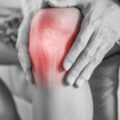
Maintaining an active social life is essential for our mental and physical well-being. Whether you are attending a family gathering, enjoying a community event, or simply taking a long walk through the park, staying engaged with the world around you brings joy and purpose to daily life. However, navigating these activities can become challenging when joint pain, stiffness, or balance issues begin to surface.
For many people, the fear of physical discomfort or the worry of appearing dependent can lead to missed opportunities and social isolation. Fortunately, a massive shift in adaptive fashion and wellness is changing how we view mobility support. If you explore the variety of walking sticks for sale today, you will discover that staying active is all about blending physical functionality with personal style, allowing you to step out with absolute confidence.
The Physical Benefits of Staying Moving
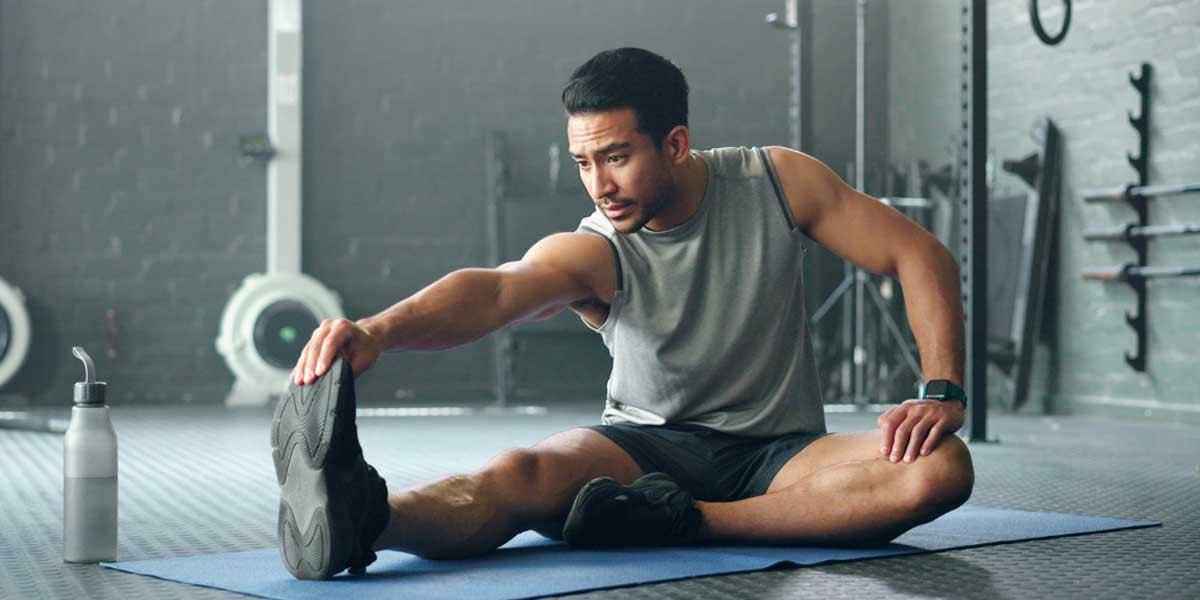
It is easy to assume that resting is the best response to joint discomfort. While rest is certainly important, remaining sedentary can often exacerbate stiffness over time. Gerontological research tracking older adults over a decade has demonstrated that replacing sedentary time with consistent, light physical activity can actually reduce the risk of walking disability by almost 30 percent.
Continuous, low-impact movement helps keep joints lubricated and muscles strong. When you actively prepare for social outings by pacing yourself and prioritizing gentle movement, you can prevent the stiffness that often limits your enjoyment. Reading up on modern lifestyle guides for maintaining personal wellness can provide excellent strategies for keeping your joints healthy while keeping your social calendar completely full. The goal is not to push through pain, but to find sustainable ways to keep your body in motion.
Overcoming the Stigma of Support Accessories
Despite the clear benefits of mobility aids, many individuals hesitate to use them. A recent mobility survey revealed that 59 percent of adults let embarrassment or the fear of being judged prevent them from using a support device, even though a vast majority acknowledged that utilizing one would significantly improve their overall quality of life. This hesitation is largely tied to outdated designs that feel clinical or purely medical.
Thankfully, the rise of the silver economy has spurred rapid innovation in this space. Designers are now creating mobility accessories that function as fashionable extensions of your personal wardrobe. As you browse through the latest collections, you will quickly notice a major consumer shift toward sleek, agile designs. Modern consumers are moving away from bulky traditional models, favoring elegant patterns and high-tech materials that empower them to look and feel their absolute best in any social setting.
How Mobility Aids Improve Biomechanics
Beyond aesthetics, modern support tools offer incredible biomechanical benefits. Utilizing a mobility aid correctly offloads weight from sensitive lower extremity joints, which dramatically reduces pain during long periods of standing or walking at parties and events.
The physical relief provided by a properly fitted device is substantial. In fact, a comprehensive medical overview from the Cleveland Clinic details how a properly used cane can improve overall stability and safely support up to 25 percent of a person’s body weight. By absorbing this excess pressure, a quality walking stick prevents the back strain and poor posture that often result from trying to compensate for knee or hip pain on your own.
Tips for Choosing Your Ideal Mobility Accessory
Finding the right balance of style and support is entirely possible with the right approach. Physical therapists and balance specialists frequently recommend evaluating a few key features before making a selection.
- Focus on lightweight materials: Advances in age-tech have made carbon fiber a premier material. It is approximately 30 percent lighter than traditional aluminum while offering superior shock absorption for sensitive joints.
- Ensure proper sizing: A mobility aid can only improve your posture if it is the correct height. Look for models with tool-free height adjustments. When your arm hangs naturally at your side, the top of the handle should line up perfectly with the crease of your wrist.
- Prioritize ergonomic grips: Heavily cushioned or ergonomically shaped handles prevent hand fatigue and cramping, which is especially important if you plan to carry your accessory throughout a long social event.
- Express your personal style: Do not settle for a boring, hospital-issued look. Choose vibrant patterns, carved wood accents, or sleek metallic finishes that complement your favorite outfits.
Stepping Out with Confidence
Programs like the Arthritis Foundation’s Walk With Ease initiative and the National Institute on Aging’s Go4Life campaign continue to highlight how critical physical participation is for long-term health. By embracing modern mobility tools as empowering fashion accessories, you can protect your independence and keep doing the things you love. Taking proactive steps to support your body means you never have to miss out on the celebrations that make life so rewarding.