


Getting serious about wilderness travel and the environment means looking past the obvious stuff – the recyclable water bottle, the reusable shopping bag – and examining every system that makes a trip possible.
The real carbon math of wilderness travel
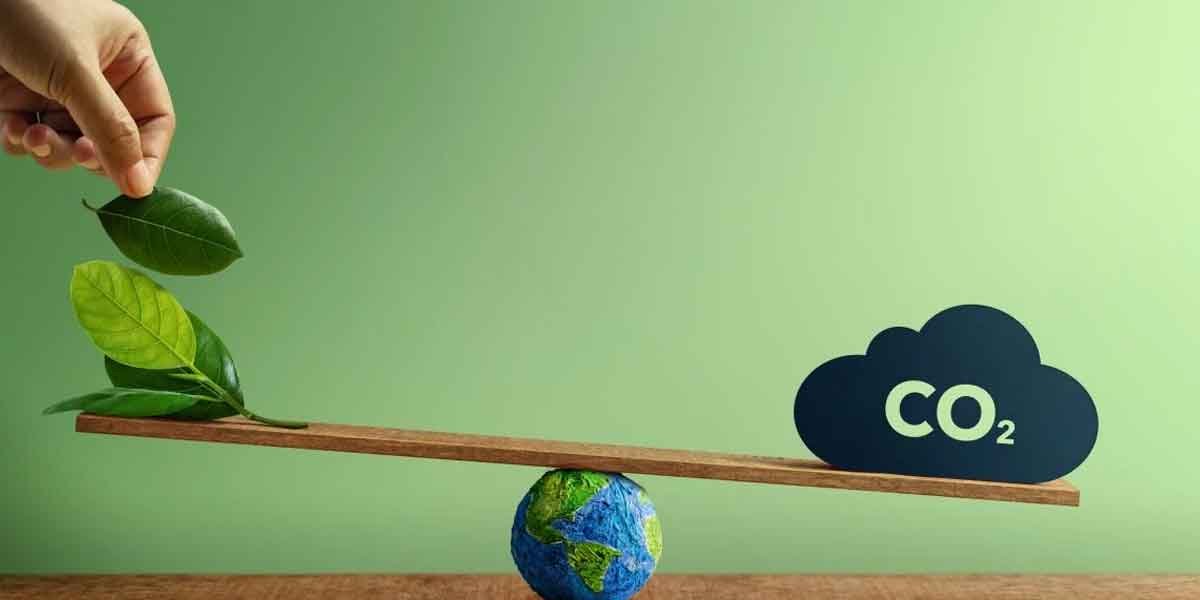
Global tourism is responsible for about 8% of global greenhouse gas emissions with transport, shopping, and food as the main culprits. Yet, for most people, it’s all about the flight. Your flight is just one part of the story. Every downstream decision from the moment you hit “purchase” on your ticket – how you get around when you land, the gear you purchase to take with you, where you stay, the food you eat – plays into that number in ways you probably never discuss over dinner. The upside is, those are the decisions where you have agency. The flight is the flight. The gear strategy, the food and lodging supply chain – those are all still on the table. A trip taken into the wilderness with thought can leave a place in better conditions than someone who just happened to pack a bottle of biodegradable soap.
Rethinking ground transport after the flight
Air travel is the largest single source of emissions for most long-distance wilderness trips. But what you do after you land can be just as important. After you reach a remote trailhead or wilderness lodge, very likely the final, outdoor 4×4 rental you almost certainly have to get there and back generates emissions at a gas mileage far lower than your typical daily driver. Depending on the road quality and fuel use of the rental vehicle, that last stretch of ground travel can account for a quarter to a third of your total footprint.
Shared shuttles you’ll have to make an effort to seek out, because this isn’t a decision driven by a simple Web search. But chances are a half-dozen other hikers or ecotourists will be arriving on the same flight (or train or bus), making the cost of a van or shuttle affordable if you get there first.
A few wilderness regions have even justified the equivalent of a shared bus or air-conditioned minivan to keep scores of personal gasoline engines out of treasured, sensitive areas at lion-prowl dawn or 3 p.m. swelter.
Building a gear strategy that doesn’t cost the earth
The outdoor gear industry has a marketing problem it doesn’t talk about enough. Cheap synthetic clothes and single-use camp gear create microplastics – minuscule plastic particles leached from fleece or polyester tents – that eventually seep into backcountry watersheds and accumulate in wildlife. Those items generate emissions long before that first summit push or around-the-world flight to your holiday destination.
The alternative is to view gear less as consumable goods, more as durable infrastructure. Rent technical equipment for a one-off adventure and you keep manufacturing demand down. Secondhand gear keeps still-useful items in the woods rather than a landfill. Repairing your jacket instead of replacing it saves the carbon bill of an entirely new item. None of this needs to require performance trade-offs – many classic pieces of outdoor gear blow their modern-budget equivalents out of the water.
But when you do have to buy new, choose companies, all else equal, that have meaningful take-back or repair programs. The piece of gear that you can still trust after 10 trip days is almost certainly greener than the one you’re throwing away after just two.
Packing out what you pack in – before you even leave
Zero-waste packing starts at home, not at the trailhead. Trail snacks and dehydrated meals almost always come wrapped in non-recyclable plastic pouches. The solution isn’t to carry that packaging into the backcountry hoping to find a bin – it’s to repackage everything before leaving. Transferring food into reusable silicone bags or lightweight rigid containers at home eliminates single-use packaging entirely, and it makes portion planning easier.
This matters more than it sounds in practice. Windy wilderness environments scatter lightweight packaging far and wide. A wrapper that escapes a pack in a gust can travel hundreds of meters from the trail before it settles. Repackaging at home removes that risk category entirely. It also reduces pack weight, which is a straightforward bonus.
A strict pre-trip audit should cover every consumable item: snacks, soap packaging, first aid wrappers, sunscreen tubes. Anything that can be decanted into a reusable container should be.
Choosing accommodation that actually works for the environment
This is where greenwashing does the most harm to traveler decision-making. The word “eco” has been slapped on so many lodges and camps that it’s nearly meaningless when taken at face value. Instead, the question to ask isn’t whether a property claims to be sustainable – it’s whether the underlying systems make it so.
Composting toilets, which biologically process waste without consuming water or tying into far-flung sewage systems; greywater filtration systems that recycle sink and shower water for irrigation rather than emptying it into streams and rivers; passive solar design that keeps heating and cooling loads to a minimum; and infrastructure-protecting soil-conserving architectural decisions such as raised boardwalks, which also minimize disturbance to root systems and avoid compaction around the roots of plants in high-traffic zones are all good signs that a property matches its rhetoric with reality.
Low-footprint structural choices are also a good bet. Geodesic domes are one of the most material-efficient structures around – their unique geometry allows them to enclose a lot of volume using a very small amount of raw material, and when properly installed, they also require very little disturbance to the soil compared to traditional construction techniques. Travelers looking to find cozy, eco-friendly accommodation can look for lodges built around low-footprint structures like these that don’t undermine the local environment.
Off-grid renewable power (solar, wind, or micro-hydro, depending on the location) is another good indicator. A lodge that runs off a diesel generator might have no choice – it could be truly remote from the nearest power line. But that engine is running day and night. A good system requires a more substantial investment up-front but generates power with minimal ongoing emissions.
If you ask a property about these things and they start talking about their “sustainability commitments” – look, every hotel’s supposed to be working on reducing waste and cutting carbon, of course, but we were talking about toilets – you might have your answer. Properties that are actually built for the long term can tell you exactly what happens to their garbage, where their energy comes from, and how their buildings got there.
Campfires, stoves, and the fire impact most hikers ignore
Campfires are a classic wilderness pastime, but they come with some heavy costs that are easy to ignore. By burning wood and leaves, campfires rob the forest floor of organic matter while releasing carbon into the atmosphere instead of keeping it locked in decomposing material. Wood smoke affects air quality in enclosed valley systems and can affect local wildlife. In areas where lots of people gather, there’s only so much deadwood to go around, and fires can burn through more than nature can replace.
That’s where modern backpacking stoves come in. Canister stoves and alcohol stoves operate at high efficiency with minimal emissions. Multi-fuel stoves give you the flexibility for longer expeditions where resupply is uncertain. The Leave No Trace framework is pretty clear on this: in areas with heavy use or scant deadwood, stoves should be your go-to for cooking.
Where fires are truly a part of the experience – in established fire rings in areas with abundant deadwood – keeping fires small, burning only down and dead material, and dousing fires completely when you’re finished all help reduce any unnecessary impact.
Eating locally as an emissions strategy
Food miles describe the distance that food is transported from the time of production until it reaches the consumer. This concept looks at the Scope 3 emissions generated by any trip. Wilderness travel aggravates this issue since remote destinations often source their food from farther afield. A pre-packaged meal kit produced and shipped from another country and then airfreighted to a remote lodge has a very different carbon footprint than a meal prepared from ingredients sourced from neighboring farms.
Local food production and sourcing also helps protect wilderness. Communities that border wilderness areas and profit from tourism have a strong financial stake in keeping industrial development out. A farming or ranching community that benefits from wilderness tourism will actively oppose logging, mining, or agriculture in protected areas. The more direct the financial benefit, the better.
Similarly, hiring locally certified guides puts money in the place where the long-term political will to protect habitat is most likely to be found. Guides with proven local training tend to know more specifically why particular areas are protected, which can enrich the wilderness experience.
Chemical-free hygiene in the backcountry
Soaps that are advertised as biodegradable can harm vulnerable aquatic environments if they are used too near a water source. While biodegradable soaps break down naturally over time, they can be carried quite a distance by cold or swiftly moving water before giving up their chemical components. The general rule of thumb is to wash yourself and your dishes at least 200 feet from any lake, stream, or wetland, and to use filtered water that you haul to the washing area.
The less you pack in, the less can get into the environment. Many experienced wilderness travelers have discovered that solid soap bars, highly concentrated biodegradable soaps, and microfiber washcloths used dry and packed out for several uses can easily handle trips of less than a week.
The honest case for carbon offsets – and their limits
Carbon offsetting is a valid concept in wilderness travel. However, it is a backup plan, not a primary one. Offsets are meant to neutralize emissions that you couldn’t eliminate in the first place, not to give you a pass on the much more difficult decisions about your transport, gear, or lodging.
When assessing the worth of offset programs, the best markers are permanence, additionality, and third-party verification. Gold Standard, for example, has undergone external scrutiny meeting independent verification requirements which should give you reasonable confidence that the sequestration is both real and enduring. Non-verified projects are far more difficult to evaluate and easier to manipulate.
The most straightforward approach is to slash every emission you can through direct choices, total the remaining damage truthfully, and make it good through a verified program.
There is no limit to the number of thoughtful travelers a wilderness can absorb. But there is a limit to the thoughtless, careless, unaware travelers a wilderness can absorb before the impacts add up. Treating a wilderness trip as a collection of systems – transit, gear, lodging, food, hygiene, energy, each with carbon and footprint costs – and being brutally honest in your audit is what separates travel that protects the places we love from travel that slowly erodes them.
You Might Also Like...
 Pappedeckel: The Sustainable Cardboard Lid Revolutionizing Global Packaging
 The Ultimate Guide to Home Water Filtration Systems: Clean Water for Every Tap
 The Surprising Places Where Advanced Carbon Materials Show Up in Everyday Life
 The Ultimate Guide to Carbon Monoxide Detector Placement: Protecting Your Home from the Silent Killer
