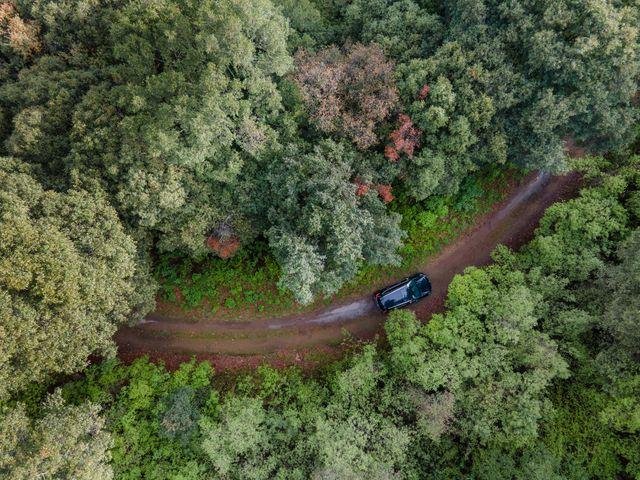
A road trip into the outdoors can be one of the best ways to take a break from everyday routines. Whether you are heading to the coast, camping for the weekend, or exploring somewhere new, travelling by car gives you the freedom to bring what you need and move at your own pace.
However, outdoor trips can also be demanding on your vehicle. Long drives, changing road conditions, camping equipment, sand, mud, and unpredictable weather can all create challenges. A little preparation before leaving can make the journey more comfortable and help you avoid unnecessary problems along the way. Here are some practical ways to get your car ready for your next outdoor adventure.
1. Check the Basics Before You Leave
Start with the basic condition of your vehicle. Check your tyre pressure and look for any obvious signs of wear or damage. Do not forget the spare tyre if your vehicle has one. Fluid levels, lights, windscreen wipers, and the battery are also worth checking before a longer journey. If your car is due for servicing, consider taking care of it before the trip rather than waiting until you return.
These checks become particularly important when travelling to more remote locations, where finding immediate mechanical assistance may be more difficult. A few minutes spent inspecting the vehicle at home can give you greater confidence once you are on the road.
2. Protect the Interior Before Packing
Outdoor adventures have a habit of finding their way back into the car. Sand from the beach, mud from walking trails, wet clothing, food crumbs, and dusty equipment can quickly turn a clean interior into a difficult cleaning job. Preparing the cabin before the trip can make a significant difference. Remove unnecessary items, vacuum the seats and floors, and think about which areas are most likely to become dirty.
If you frequently travel with children, pets, camping gear, or outdoor equipment, custom car seat covers Perth for outdoor travel can help protect the original seating from mud, sand, spills, and other everyday mess. Rubber floor mats, storage containers, and a separate bag for wet or dirty items can also help keep the cabin organised. Rubber floor mats, storage containers, and a separate bag for wet or dirty items can also help keep the cabin organised. The goal is not to keep the car perfectly clean throughout the adventure. It is simply to make cleaning up afterwards easier.
3. Pack Smart
It can be tempting to try and cram everything possible into the car for a weekend away. But the more you bring, the less prepared you may be. Create a simple checklist based on your proposed adventures.
You know what you’ll need for camping, clothes, food, water, and the like. Once the essentials are planned, think about the rest and what you really need. How you pack is as important as what you do. Keep things you might need while driving within easy reach. There’s no point in neatly stowing something if you’ll need it the second you stop the car. Heavy items should also be secured so they don’t shift while you’re on the road.
4. Be Prepared For The Weather
If you have plans that involve the great outdoors, the weather can change everything. You can’t assume that because it was warm where you are, that it will be the same temperature at your destination, especially if you have to cross multiple regions while away. Showers can also turn a straightforward bushwalk into a soaking adventure. Always check the outlook before departing, and be prepared for conditions to be a little different than expected.
An extra layer, waterproof jacket, towel, and some spare shoes can be easily tucked into your bag without taking much room. If you are camping, ensure that you have the right gear rated for the conditions you are likely to encounter. It’s also a good idea to keep some protective covers in the car – having wet clothes on while driving home (or anywhere) can lead to disaster.
5. Think About Emergencies
No matter how well-prepared you are, emergencies are almost always a possibility. A fundamental emergency kit in the car could include a first aid kit, torch, phone charger, water, and any other tools you think you may need based on your location.
Depending on where you are, the kinds of things that could go wrong change considerably. If you are driving to a well-known holiday region, it’s unlikely you’ll have much trouble no matter what goes wrong. On the other hand, travelling off-grid and into more isolated regions means you have to think about what spares and tools you could need if something were to happen. It’s also a good idea to let people know roughly where you are planning on going if you are going somewhere remote.