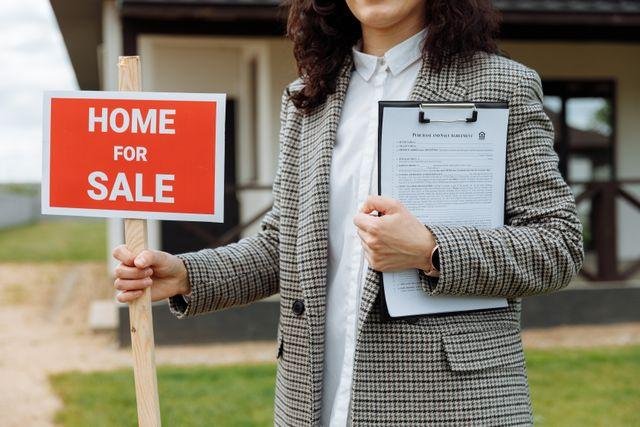
Buying or selling property is one of the biggest financial decisions many people make, yet emotions can easily influence the process. A beautiful home may create excitement, while pressure to sell quickly can encourage unnecessary compromises. Smarter property decisions come from balancing market knowledge, financial preparation, practical needs, and long-term objectives.
Understand the Current Property Market
Before making any purchases, research the market specific to the location you are interested in. Depending on the area, a property can sell for a much higher or lower price than another. Research recent comparable sales, active listings, average time on market, and demand within the area.
This can help a buyer understand if a property is being fairly priced or not. This can also help a seller understand what they may be able to reasonably expect to sell their property for. Local expertise can also aid in representing specific details about the property that may not be found elsewhere. For instance, researching a Northbridge real estate service can help buyers or sellers understand local conditions, property characteristics, and neighborhood-specific trends before making a commitment.
Establish a Realistic Budget
A property’s asking price is only one element of the financial commitment. Buyers need to consider all the other costs they would be responsible for when purchasing a house. In addition to the asking price, one must consider mortgage payments, taxes, and other expenditures. This can help determine what one should actually spend on a house.
It is also important to keep a certain amount of money set aside for unexpected expenses. The property that one wanted may well end up on the wrong side of the budget if things go awry. Having extra cash set aside will prevent one from having to dip into their savings account to pay for repairs.
Look Beyond Appearance
First impressions are important, but good looks shouldn’t be the only factor that influences the decision to buy. The buyer must evaluate the state of the property, its age, drainage, roof, plumbing, electrical system, insulation, and other features.
The buyer must also consider what professional inspectors reveal about the property that wasn’t apparent during viewing. Apart from general inspection, it is vital to research zoning laws, development restrictions, rights-of-way, easements, wetlands, and other factors affecting the property.
As for sellers, they have to know what flaws will prevent a buyer from purchasing their property. In most cases, it is better to fix the issues attracting no buyers rather than deal with the consequences of not doing so.
Think About Long-Term Value
A property should not be assessed based solely on its immediate appeal. Buyers must take into account future circumstances. The changes in employment situation, family needs, lifestyle, commute, and potential for resale should all be considered.
For example, investors should research the demand for rent, vacancies, maintenance costs, and potential for appreciation. In turn, sellers should analyze the current market conditions. The expectation of a higher price should not outweigh the additional expenses that can arise during the holding period.
Keep Emotions Under Control
Property transactions are naturally emotional, particularly when a buyer finds a home that feels perfect or a seller receives an offer below expectations. However, emotional reactions can lead to rushed decisions.
Set clear priorities before negotiations begin. Know the maximum price you are prepared to pay or the minimum outcome you can reasonably accept. Having predetermined boundaries while keeping your emotions in check makes it easier to evaluate offers objectively.
Seek Professional Advice
Real estate transactions can be complicated by legal, financial and practical issues. In order to protect their interests, buyers are often advised to seek the help of various experts like mortgage advisors, inspectors, conveyancers, and others. Similarly, sellers may also need to rely on professional advice in relation to presentation, selling techniques, negotiations and many other matters. Of course, such services should not be seen as a guarantee, but they do allow both parties to make more informed choices.
Final Thoughts
Smarter decisions regarding real estate deals are usually based on thorough preparation rather than on impulse. Educating yourself on the market, figuring out the expenses involved, looking over the details of a property, evaluating your options, and thinking through your future needs allow buyers and sellers to operate from a position of power during a transaction. After all, the point of buying or selling a property isn’t just to finalize a deal, but to secure an investment that will be rewarding for years to come.