A quick way to ruin a pool party is if the pool springs a leak. This is especially common in areas like South Florida, where many homeowners have pools that require maintenance.
For homeowners across South Florida, a swimming pool is more than a luxury. It is a year-round lifestyle staple. But like any feature of your home, pools require upkeep, and one of the most serious issues you can face is a hidden leak. The challenge is that pool leaks can be surprisingly difficult to detect without the right tools and expertise.
This guide walks you through the telltale signs of a pool leak, explains why professional detection matters, and helps you understand when it’s time to make the call.
Understanding Pool Leaks
Pool leaks can occur in several different locations: the pool shell itself (gunite, fiberglass, or vinyl), the plumbing lines that carry water to and from the equipment, the equipment pad where the pump and filter are housed, or the fittings and seals around lights, skimmers, and return jets.
Because many of these components are underground or hidden within the pool structure, leaks are often impossible to locate without professional-grade diagnostic tools. A visible crack might seem like the obvious culprit, but leaks are frequently found in inconspicuous places far from where water loss appears to be occurring.
Signs That Point to a Pool Leak
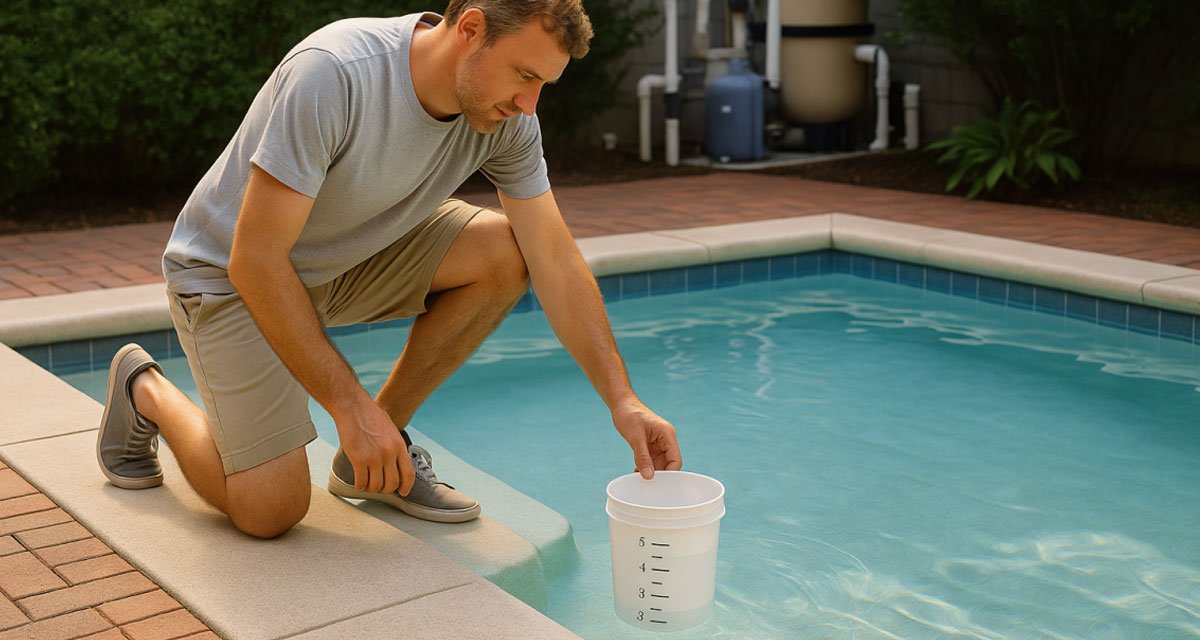
The most consistent indicator of a pool leak is unexplained water loss. If your pool water level is dropping more than half an inch per day (accounting for weather and splash-out), there’s a strong probability you have a leak somewhere in the system.
Other common indicators include: air bubbling from the return jets, the pool pump losing prime frequently, visible cracks or separating tile, algae growth that doesn’t respond to normal chemical treatment (a sign of fresh water diluting the chemistry), and damp or sunken areas around the pool deck.
Why DIY Detection Often Falls Short
Many homeowners attempt to locate pool leaks on their own using basic dye testing or visual inspection. While these methods can sometimes identify obvious surface cracks, they’re generally not sufficient for diagnosing leaks in underground plumbing or within the pool equipment system.
Professional leak detection services use a combination of pressure testing (to isolate which part of the plumbing system is losing pressure), acoustic detection (to listen for escaping water underground), and electronic detection equipment. These methods allow technicians to pinpoint leak locations with precision, avoiding unnecessary excavation or guesswork.
The Cost of Waiting
A leaking pool doesn’t just waste water. It can cause progressive damage that becomes increasingly expensive to repair. Water escaping from underground pipes can erode soil, create voids beneath your pool deck, and even undermine the structural stability of the pool itself. In some cases, undetected leaks have led to sinkholes or significant deck subsidence that required major reconstruction.
Early detection, on the other hand, often means a straightforward repair with minimal disruption and cost.
Who to Call for Pool Leak Detection in South Florida
If you’re in South Florida and you’re concerned about a potential pool leak, Florida Leak Locators in South Florida is a well-known resource for professional leak detection services. Companies specializing in pool leak detection are equipped to handle the full range of diagnostic scenarios, from shell cracks to compromised underground lines.
When choosing a provider, look for technicians who use non-invasive detection methods and can provide a detailed written report of their findings. A reputable service will be able to tell you exactly where the leak is located, what caused it, and what repair options are available to you.
What to Expect During a Professional Leak Detection Visit
A qualified technician will typically begin with a visual inspection of the pool and equipment area, followed by a water loss assessment. They may perform pressure testing on the plumbing lines and use listening equipment to identify escaping water. The process is generally non-invasive and can usually be completed within a few hours.
Once the leak is located, the technician will document the findings and walk you through the recommended repair process. At that point, you can choose to have the same company handle the repair or take the report to another contractor of your choice.
Conclusion
A pool leak is a problem that rarely improves on its own. If you’ve noticed unusual water loss, unexplained increases in your water bill, or any of the other warning signs described in this article, the most sensible step is to schedule a professional inspection. Acting early protects your investment, conserves water, and prevents the kind of structural damage that turns a minor repair into a major renovation.