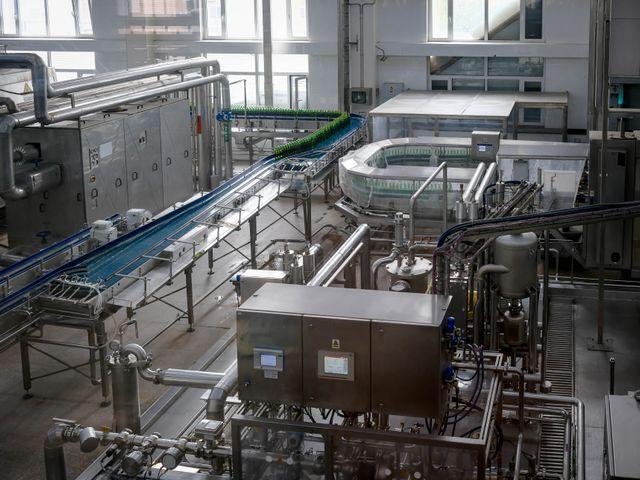
A conveyor system is nothing more than a giant collection of smaller parts that have to cooperate every minute it’s running. Albeit impressive, if even one roller starts dragging or one belt gets misaligned, the whole operation can start losing time. That’s why reliability isn’t something you bolt on later. You build it into the way you choose, use and maintain your conveyor system.
Not Every Roller Is the Same
The first thing you need to do is walk along your conveyor and look at the rollers properly. Some carry heavier loads, and they probably suffer the most. Others, however, deal with constant impact, while some barely seem to do anything difficult. This is why treating them all as identical can lead to trouble. You’ll end up with components that aren’t suited to the job.
Take note of all the factors such as weight, speed, and operating conditions around each section. A roller carrying heavy product all day needs different consideration from one sitting beneath a lighter return run. When you match components to their actual workload, you’re not forcing every part to survive the same punishment.
Listen for the Noise
Your conveyor has a useful alarm system built into it, and that’s sound. A healthy system has its own normal rhythm. You’ll start recognising it if you pay attention. If that usual rhythm is being interrupted by new squeals or clicking noises, it’s a sign that your conveyor deserves a closer look.
Don’t wait for something to stop moving. If you only investigate when everything falls apart, you will lose precious time. A noisy bearing might be giving you plenty of warning. So might a roller that’s beginning to seize.
Don’t Buy the Cheapest Part Twice
There’s a temptation to choose a cheaper replacement component. We do it because, well, it’s cheaper. That calculation can change pretty quickly. And it does change quickly, as soon as the part fails early and someone has to replace it again.
Choose components based on the conditions they need to survive, not just the number printed on the invoice. When you’re comparing conveyor products and solutions, getting the best products on the market can make far more sense than gambling on a second-hand conveyor product that already has an unknown history. A reliable component costs more only if you ignore everything it can prevent.
Give the Belt a Reason to Stay Straight
A belt that constantly wanders from side to side is telling you something. It might be due to poor alignment or uneven loading. Damaged components can also lead to this issue. Whatever the cause, repeatedly nudging the belt back into position isn’t a real fix.
Instead, check the structure, pulleys, rollers and loading points. You can’t jump straight to blaming the belt. Material that lands heavily on one side can also push the belt off course over time. You should give it a reason to stay straight because keeping the belt centred reduces unnecessary rubbing and edge damage. It can take a surprising amount of strain away from the conveyor.
Make Cleaning Part of the Conveyor’s Job
Material buildup doesn’t care whether you’ve scheduled maintenance. It’ll collect wherever it finds a convenient corner. Your conveyor is probably full of dirt, dust, and spilled products as we speak. All of these foreign bodies can interfere with rollers, pulleys, scrapers and tracking.
So make cleaning practical. Clear problem areas before buildup becomes difficult to remove. Pay special attention to places where material can get trapped. If it gets trapped, it will work its way into moving components. That’s an issue no business owner wants to deal with.
Give Operators Permission to Stop and Point
The person standing closest to the conveyor knows it better than anyone else. They might see a belt moving differently. They might even hear a strange noise or notice that material is suddenly piling up in one spot. Now, they shouldn’t feel like they’re expected to ignore those things until maintenance arrives. If they do, useful information gets lost, and costly maintenance starts knocking on doors.
To fix that, all you need to do is make reporting simple. A photo, short note or quick message can be enough to start an investigation. You also need to take those reports seriously. If someone repeatedly points out a problem and nothing happens, they’ll eventually stop pointing.
Conclusion
Nothing runs forever without attention, not even an expensive conveyor system. Your real goal is to make failures less frequent. You want to ensure they’re easier to spot and quicker to fix. When you choose suitable components, you end up with a system that you can rely on.