Your roof is the first line of defense against the elements, shielding your home from everything from torrential rain to scorching UV rays. However, many homeowners view their roof as a “set it and forget it” component until a leak appears. By the time you notice water stains on your ceiling, the damage is often extensive and expensive. Extending your roof’s lifespan is not just about luck; it is a result of proactive maintenance, environmental management, and understanding the science of roofing materials. In this guide, we will explore the professional strategies that can add 10 to 15 years to your roof’s service life, saving you thousands in premature replacement costs.
The Science of Roof Longevity: Why Maintenance Matters
Answer Capsule: A roof’s lifespan is determined by the quality of its installation, its exposure to environmental stressors like UV radiation and thermal shock, and the consistency of its maintenance. Proactive care prevents minor issues—such as granule loss or flashing cracks—from compounding into structural failures that necessitate a full replacement.
To understand how to extend your roof’s life, you must first understand what kills it. The primary “silent killers” of roofing systems are UV radiation, thermal shock, and moisture retention. UV rays from the sun cause the oils in asphalt shingles to evaporate, making them brittle and prone to cracking. Thermal shock occurs when a roof rapidly heats up during the day and cools at night, causing the materials to expand and contract. Over time, this cycle weakens the bond between shingles and their fasteners.
According to the National Roofing Contractors Association (NRCA), regular inspections are the most effective way to combat these stressors. By identifying small cracks in the flashing or minor moss growth early, you prevent the “compounding effect” where moisture seeps into the underlayment and eventually rots the wooden roof deck. A well-maintained roof does not just last longer; it also maintains its reflective properties, helping to regulate your home’s internal temperature and reducing energy costs.
| Stress Factor | Impact on Roof | Maintenance Solution |
|---|---|---|
| UV Radiation | Shingle brittleness and granule loss | Reflective coatings or rejuvenation |
| Thermal Shock | Fastener loosening and material fatigue | Proper attic ventilation |
| Moisture | Wood rot and mold growth | Gutter cleaning and flashing repair |
1. Optimize Attic Ventilation and Insulation
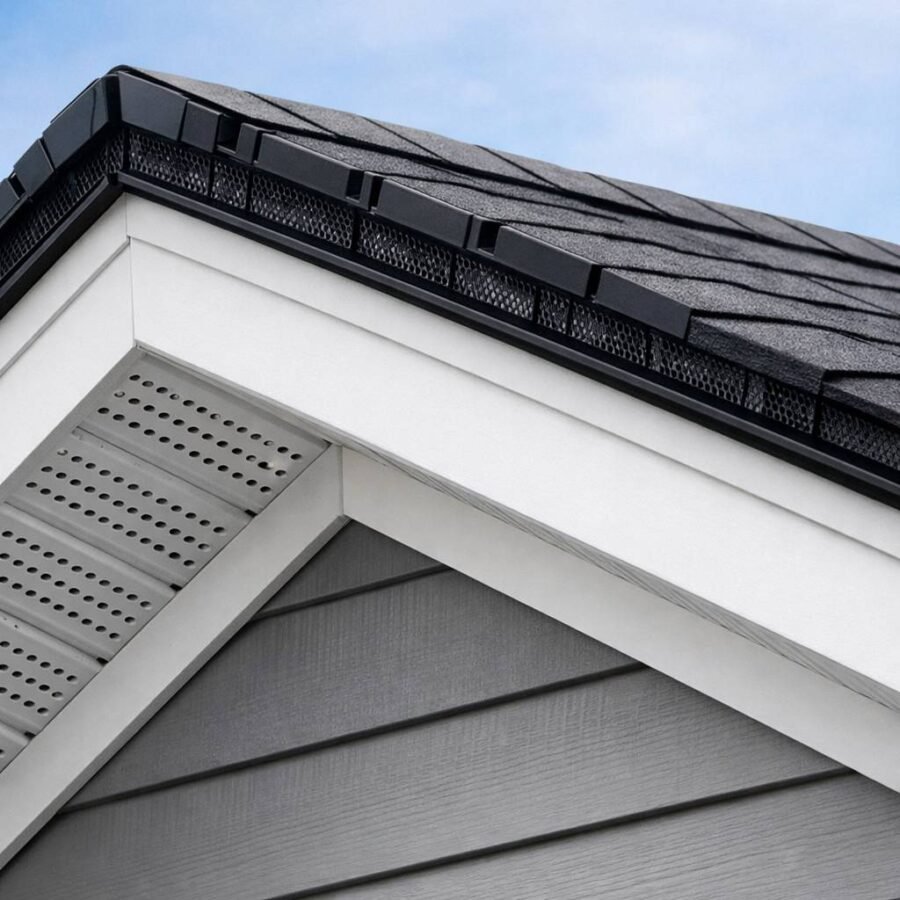
Answer Capsule: Proper attic ventilation and insulation are critical to preventing heat buildup and ice dams. A well-ventilated attic allows hot air to escape through ridge vents while drawing in cool air through soffit vents, which prevents shingles from “cooking” from the inside out and reduces the risk of thermal shock.
Many homeowners overlook the attic when considering roof maintenance, but the health of your roof is intrinsically linked to the environment beneath it. In the summer, an unventilated attic can reach temperatures of 150°F or higher. This extreme heat is trapped against the underside of the roof deck, causing shingles to bake and lose their protective granules. This process, known as “cooking,” significantly accelerates the aging of asphalt shingles, making them brittle and prone to cracking.
In the winter, poor ventilation leads to the formation of ice dams. When heat from the home escapes into the attic, it melts the snow on the roof. This water then runs down to the colder eaves, where it refreezes, creating a dam that traps more water behind it. This trapped water can seep under the shingles and into the roof deck, causing rot and leaks. To prevent this, your attic should have a balanced system of intake (soffit) and exhaust (ridge) vents. Additionally, ensuring your attic insulation meets the recommended R-value for your region—typically R-38 to R-60 in colder climates—will keep heat where it belongs: inside your living space.
2. Master the Art of Gutter Maintenance
Answer Capsule: Clogged gutters are a leading cause of roof edge rot and foundation issues. When water cannot flow freely through the gutter system, it pools at the roof’s edge, leading to hydrostatic pressure that forces moisture under the shingles and into the fascia boards and roof deck.
Gutter maintenance is often viewed as a chore, but it is a fundamental part of roof preservation. When gutters are filled with leaves, twigs, and debris, they become heavy and can pull away from the roofline, damaging the fascia. More importantly, clogged gutters cause water to back up onto the roof. This standing water creates hydrostatic pressure, which can push moisture under the shingles and into the wooden components of the roof’s edge. Over time, this leads to wood rot, mold growth, and structural weakening.
Professional roofers recommend cleaning your gutters at least twice a year—once in the spring and once in the fall. If your home is surrounded by overhanging trees, you may need to clean them more frequently. Beyond cleaning, ensure that your downspouts are positioned to direct water at least 5 to 10 feet away from your home’s foundation. This prevents soil saturation, which can lead to foundation settling and indirectly affect the structural integrity of your roof. Installing high-quality gutter guards can also be a wise investment, as they significantly reduce the amount of debris that enters the system while maintaining consistent water flow.
3. Professional vs. DIY Roof Inspections: What to Look For
Answer Capsule: Distinguishing between ground-level visual checks and professional structural audits is essential for roof longevity. While homeowners can perform ground-level visual checks for missing shingles or granule loss, a professional inspector can identify structural issues like flashing integrity and moss growth that are often invisible from the ground.
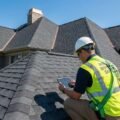
A proactive roof inspection is the most cost-effective way to extend your roof’s lifespan. While you should never climb onto your roof without proper safety equipment and training, you can perform a ground-level visual check using binoculars. Look for signs of granule loss, which often appears as dark patches on shingles or as “sand” in your gutters. Granules are the first line of defense against UV rays, and their loss indicates that shingles are nearing the end of their service life. Also, check for curling, buckling, or missing shingles, which can leave the underlayment exposed to the elements.
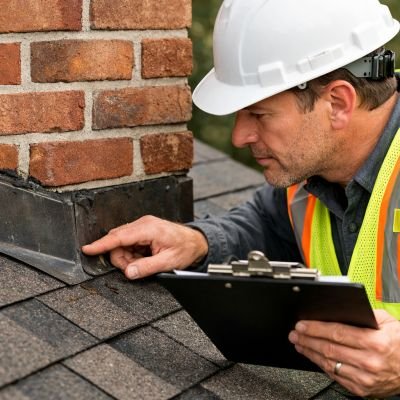
Professional roofers recommend a comprehensive structural audit every 3 to 5 years, or after a major storm. A professional inspector will check the flashing integrity around chimneys, vents, and skylights. Flashing is the most common point of failure on a roof, as it is where different materials meet and expand at different rates. A professional will also look for signs of moss or algae growth, which can trap moisture against the shingles and lead to rot. By identifying these minor issues early, you can perform targeted repairs that prevent the need for a full roof replacement.
4. Environmental Management: Trees, Moss, and Algae
Answer Capsule: Addressing external biological and physical threats to roof integrity is a key part of environmental management. This includes the “10-foot rule” for overhanging branches and safe methods for removing moss and Gloeocapsa magma (black algae) without damaging shingles.
Environmental factors can be just as damaging to your roof as the weather. Overhanging tree branches pose a significant threat, as they can scrape against shingles during high winds, removing the protective granules. Branches also provide a pathway for animals like squirrels and raccoons to access your roof, where they can chew through vents and flashing. Professional roofers recommend the “10-foot rule”: keep all tree branches at least 10 feet away from your roofline to prevent physical damage and animal access.
Biological growth is another major concern. Moss and algae thrive in damp, shaded areas of the roof. Moss is particularly dangerous because it acts like a sponge, trapping moisture against the shingles and causing them to rot. Gloeocapsa magma, often mistaken for dirt or soot, is a type of black algae that feeds on the limestone filler in asphalt shingles. To safely remove these growths, use a professional-grade cleaning solution and a low-pressure wash. Never use a high-pressure power washer on your roof, as it will strip away the granules and cause permanent damage to the shingles. Regular cleaning not only extends the life of your roof but also improves your home’s curb appeal.
5. Advanced Roof Rejuvenation: Is It Worth It?
Answer Capsule: Roof rejuvenation involves applying a soy-based or chemical treatment to aging asphalt shingles to restore their flexibility and extend their life. While it can be a cost-effective alternative to early replacement for some roofs, its effectiveness depends on the shingles’ initial condition and is not a substitute for necessary repairs.
As asphalt shingles age, the petrochemical oils that keep them flexible and waterproof begin to dry out. This leads to brittleness, cracking, and granule loss. The roof rejuvenation industry has emerged with products designed to counteract this process. These treatments, typically soy-based oils, are sprayed onto the roof and penetrate the shingles to replenish their lost oils, restoring flexibility and improving their resistance to hail and wind damage.
The primary benefit is cost. A rejuvenation treatment typically costs only 15-20% of a full roof replacement and can add five years or more to a roof’s lifespan. However, it is not a miracle cure. Rejuvenation is most effective on shingles that are structurally sound but are beginning to show signs of aging, such as dryness or minor granule loss. It cannot fix existing leaks, repair curled or missing shingles, or reverse significant structural damage. Before considering this option, it is crucial to get a professional assessment to determine if your roof is a suitable candidate. For the right roof, it represents a smart financial decision that bridges the gap between minor repairs and a costly full replacement.
Frequently Asked Questions (FAQ)
- Q1: How can I make my roof last 40 years?
- A: Achieving a 40-year lifespan requires premium materials like slate or high-end architectural shingles, combined with meticulous, proactive maintenance. This includes biannual professional inspections, keeping the attic perfectly ventilated, ensuring gutters are always clear, and addressing even the smallest issues immediately. Location is also key; a roof in a mild climate will naturally last longer than one exposed to harsh sun or heavy snow.
- Q2: Is it worth it to spray your roof to make it last longer?
- A: Yes, for the right candidate. Roof rejuvenation sprays are worth it if your shingles are structurally sound but are starting to show age (10-15 years old). The treatment restores flexibility and can add about five years of life for a fraction of the cost of replacement. However, it is not a solution for roofs that are already leaking, cracked, or severely damaged.
- Q3: What is the most common cause of roof failure?
- A: The most common cause of premature roof failure is improper installation. This includes inadequate flashing around chimneys, vents, and skylights, which leads to leaks. Other major causes are poor attic ventilation, which “cooks” shingles from below, and neglected gutters, which cause water to back up and rot the roof deck.
- Q4: How often should a roof be cleaned?
- A: A roof should be cleaned as needed, not on a fixed schedule. If you see black streaks (algae), moss, or debris, it’s time for a cleaning. For most homes, this might be every 2-5 years. Always use a professional who employs a low-pressure chemical wash to avoid damaging the shingles. Never use a high-pressure washer.
- Q5: Does attic insulation affect roof life?
- A: Absolutely. Proper attic insulation is crucial for extending roof life. It works with your ventilation system to keep the roof deck cool in the summer and prevent ice dams in the winter. By maintaining a stable temperature, it reduces thermal shock on the shingles, preventing them from becoming brittle and cracking prematurely.
Conclusion: Protecting Your Home’s Most Important Asset
Extending your roof’s lifespan is an active process, not a passive hope. By adopting a maintenance mindset, you shift from reacting to expensive problems to proactively preserving your home’s most critical shield. The strategies outlined in this guide—optimizing attic ventilation, mastering gutter maintenance, conducting regular inspections, managing the surrounding environment, and considering advanced treatments when appropriate—are not isolated tasks but interconnected components of a holistic roof care system. A few hours of maintenance each year can prevent thousands of dollars in future repairs and add a decade or more to the life of your roof. Protect your investment, and it will continue to protect you.