Maintaining the pristine condition of your hard floors is essential for both aesthetics and hygiene. Whether you have gleaming hardwood, versatile laminate, classic tile, or resilient vinyl, understanding the proper techniques and solutions for how to clean hard floor surfaces can significantly extend their lifespan and keep them looking their best. This comprehensive guide will walk you through everything you need to know about how to clean hard floor effectively, from identifying your floor type to mastering advanced cleaning methods and long-term maintenance strategies. Say goodbye to dirt, grime, and streaks, and hello to beautifully clean floors, understanding how to clean hard floor is key.
Understanding Your Hard Floors: Types and Their Unique Needs
Every hard floor type possesses distinct characteristics that dictate the most effective and safest cleaning approaches. Misapplying cleaning methods can lead to damage, dullness, or even void warranties. Therefore, identifying your specific flooring material is the crucial first step in any cleaning regimen for how to clean hard floor. This section will delve into the common types of hard floors and highlight their individual cleaning considerations.
Hardwood Floors: Preserving Natural Beauty
Hardwood floors, prized for their timeless elegance and durability, require careful attention to maintain their luster. The key to cleaning hardwood is to minimize moisture exposure, as excessive water can cause warping, swelling, and damage to the finish. Regular dry dusting or vacuuming is paramount to prevent abrasive particles from scratching the surface. For deeper cleaning, pH-neutral cleaners specifically designed for hardwood are recommended, applied with a damp (not wet) microfiber mop. Avoid harsh chemicals like bleach, ammonia, or oil-based soaps, which can strip protective coatings or leave a dull residue [1].
Laminate Flooring: Care Without Damage
Laminate flooring offers the look of hardwood or tile with added resilience and often at a lower cost. Its layered construction, typically with a photographic layer and a protective wear layer, makes it relatively easy to clean. However, like hardwood, laminate is susceptible to water damage, particularly at the seams, which can lead to swelling and delamination. Therefore, cleaning should involve minimal moisture. A damp microfiber mop with a laminate-specific cleaner or a mild, diluted vinegar solution is generally safe. Always wipe up spills immediately and avoid abrasive cleaners or scrubbing pads that can scratch the surface [2].
Tile and Grout: Tackling Tough Dirt
Tile floors, whether ceramic, porcelain, or natural stone, are highly durable and water-resistant, making them ideal for high-traffic areas and moisture-prone rooms. The primary challenge with tile is often the grout lines, which are porous and can trap dirt, stains, and mildew. For general cleaning, a mixture of warm water and a pH-neutral cleaner is effective. For stubborn grout, a paste of baking soda and water, or a specialized grout cleaner, can be applied and scrubbed with a brush. Steam mops can also be highly effective on sealed tile and grout, but always check manufacturer recommendations, especially for natural stone, which can be sensitive to acidic cleaners [3].
Vinyl and Linoleum: Simple and Effective Cleaning
Vinyl and linoleum floors are known for their durability, water resistance, and ease of maintenance. These resilient flooring types are excellent choices for kitchens, bathrooms, and utility areas. Regular sweeping or vacuuming removes loose dirt, while damp mopping with a mild, all-purpose cleaner or a solution of warm water and a few drops of dish soap is usually sufficient for a deeper clean. Avoid abrasive scrubbers or harsh chemicals that can dull the finish or damage the material. For linoleum, which is a natural product, avoid excessive moisture and strong alkaline cleaners [4].
Essential Tools and Cleaning Solutions for Every Hard Floor
Having the right tools and cleaning solutions is just as important as knowing the proper techniques for cleaning your hard floors. The market offers a vast array of products, from specialized mops to eco-friendly detergents. This section will guide you through selecting the most effective equipment and cleaning agents, ensuring you have everything you need for a thorough and safe floor cleaning routine.
Mops and Applicators: Choosing the Right Tool
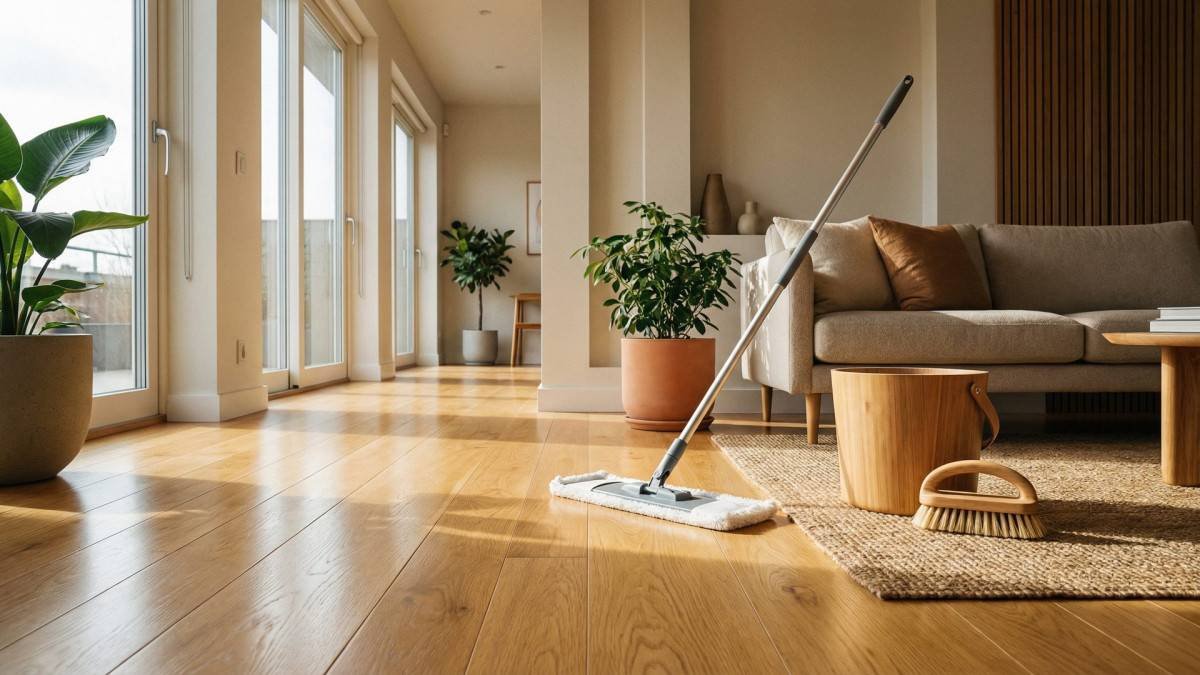
The type of mop or applicator you use can significantly impact cleaning efficiency and floor safety when considering how to clean hard floor. Microfiber mops are highly recommended for most hard floor types due to their ability to trap dirt and absorb moisture effectively without oversaturating the floor. Flat-head mops with reusable microfiber pads are excellent for daily dusting and damp cleaning. For deeper cleaning, a spin mop with a well-wrung-out head can be effective, especially for tile and linoleum. Traditional string mops can be used, but care must be taken to wring them out thoroughly to prevent excess water from damaging moisture-sensitive floors like hardwood and laminate [5].
Vacuums and Sweepers: Daily Maintenance Essentials
Regular removal of loose dirt, dust, and debris is crucial to prevent scratches and maintain floor appearance. A soft-bristle broom or a dust mop is ideal for daily sweeping. For more thorough dry cleaning, a vacuum cleaner designed for hard floors is invaluable. Look for models with a hard floor setting or a brush roll that can be turned off to avoid scratching delicate surfaces. Canister vacuums with specialized hard floor attachments are often preferred. Robotic vacuums can also be a convenient option for maintaining cleanliness between deeper cleans, especially in homes with pets [6].
Commercial Cleaners: What to Look For
When choosing commercial cleaning products, it’s vital to select those specifically formulated for your floor type. For hardwood and laminate, opt for pH-neutral cleaners that are water-based and quick-drying to prevent damage. Many brands offer ready-to-use spray cleaners that are safe and effective. For tile and grout, look for cleaners that can penetrate porous surfaces and dissolve grime without harming the grout. Always read product labels carefully and avoid cleaners containing harsh chemicals like ammonia, bleach, or wax, which can leave residues, dull finishes, or cause long-term damage [1].
DIY Cleaning Solutions: Natural and Effective Options
For those preferring natural alternatives, several DIY cleaning solutions can be highly effective. A diluted white vinegar solution (typically 1/2 cup vinegar to 1 gallon of warm water) can be used on many hard floor types, particularly tile and linoleum, as a disinfectant and degreaser. However, vinegar should be used sparingly or avoided entirely on hardwood and natural stone floors, as its acidity can etch finishes over time. For a gentle all-purpose cleaner, a few drops of mild dish soap in warm water can work wonders. Essential oils like lemon or tea tree can be added for a fresh scent and additional antimicrobial properties [4].
Step-by-Step Guide to Cleaning Hard Floors
A systematic approach to cleaning hard floors ensures thoroughness and protects your investment. This step-by-step guide outlines the best practices for preparing your floors, executing a deep clean, and finishing properly to achieve immaculate results without damage, providing a clear roadmap for how to clean hard floor effectively.
Preparation: Clearing and Dusting
Before any wet cleaning begins, proper preparation is essential. Start by removing all furniture, rugs, and other obstacles from the area to be cleaned. This allows for unobstructed access to the entire floor surface. Next, thoroughly sweep or vacuum the floor to remove all loose dirt, dust, pet hair, and debris. This crucial step prevents abrasive particles from scratching the floor during wet cleaning. Pay particular attention to corners, edges, and under furniture where dust tends to accumulate. For optimal results, use a soft-bristle broom, a dust mop, or a vacuum with a hard floor attachment [6].
Deep Cleaning Techniques: Wet Mopping and Scrubbing
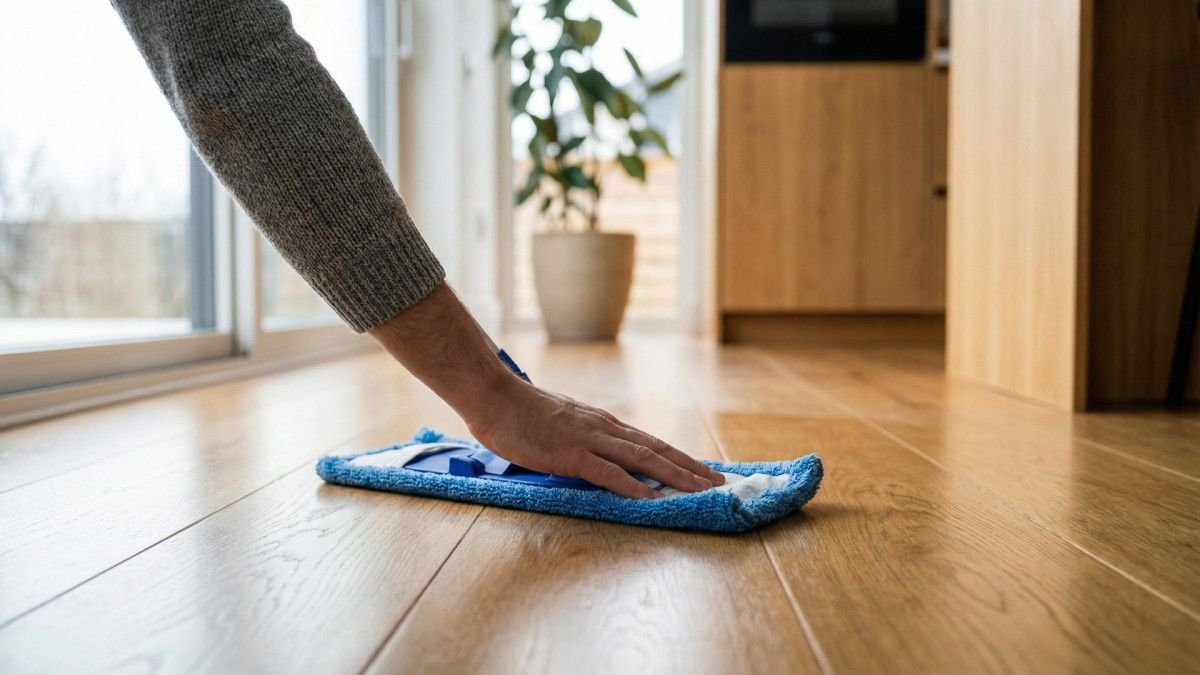
Once the floor is free of loose debris, it’s time for deep cleaning. For most hard floors, this involves damp mopping. Prepare your chosen cleaning solution (commercial or DIY) according to the manufacturer’s or recipe’s instructions. Dip your microfiber mop or cloth into the solution and wring it out thoroughly until it is just damp, not dripping wet. Mop the floor in small sections, working your way backward to avoid stepping on cleaned areas. For stubborn spots or heavily soiled areas, a gentle scrub with a soft brush or sponge may be necessary. For tile grout, a dedicated grout brush can be used with a baking soda paste or specialized grout cleaner. Always rinse your mop head frequently in clean water to avoid spreading dirt [3].
Drying and Finishing: Preventing Streaks and Damage
Proper drying is critical to prevent streaks, water spots, and potential damage, especially on hardwood and laminate floors. After damp mopping, it is advisable to go over the cleaned area with a clean, dry microfiber cloth or mop to absorb any residual moisture. This helps to ensure a streak-free finish and minimizes the risk of water penetration into seams or finishes. Allow the floor to air dry completely before replacing furniture or allowing foot traffic. Adequate ventilation can speed up the drying process. For an added shine on certain floor types, a floor polish or protector specifically designed for your flooring material can be applied once the floor is completely dry [1].
Advanced Tips for Common Hard Floor Cleaning Challenges
Even with regular cleaning, hard floors can present specific challenges. This section offers advanced strategies for tackling common issues like stubborn stains, unsightly streaks, and pet-related messes, ensuring your floors remain immaculate and addressing key aspects of how to clean hard floor in difficult situations.
Removing Stubborn Stains and Scuffs
Stubborn stains and scuff marks can detract from the appearance of even the cleanest floors. For most hard floors, a gentle approach is best. For scuff marks, a tennis ball or a pencil eraser can often remove them without damaging the finish. For food stains, a paste of baking soda and water can be applied, allowed to sit for a few minutes, and then gently wiped away. For tougher stains, a small amount of rubbing alcohol on a microfiber cloth can be effective, but always test in an inconspicuous area first. Avoid abrasive cleaners or steel wool, which can permanently scratch the floor surface [7].
Dealing with Streaks and Residue
Streaks and hazy residue are common frustrations after cleaning, often caused by using too much cleaning solution, improper rinsing, or using the wrong type of cleaner. To combat this, ensure your mop is thoroughly wrung out, and consider using distilled water if you have hard water, as mineral deposits can contribute to streaking. A second pass with a clean, damp microfiber mop (rinsed frequently) can help remove any leftover residue. If a product is consistently leaving streaks, it may be too concentrated or simply not suitable for your floor type. Switching to a pH-neutral cleaner or a diluted vinegar solution can often resolve the issue [4].
Pet Messes and Odor Removal
Pet accidents require immediate attention to prevent stains and odors from setting into your hard floors. Blot up fresh messes with paper towels or a clean cloth, avoiding rubbing, which can spread the stain. For urine, use an enzymatic cleaner specifically designed to break down pet waste and eliminate odors. These cleaners are particularly effective at neutralizing the odor-causing bacteria that can linger. For older, set-in stains, a hydrogen peroxide solution (diluted and spot-tested) can sometimes lighten the discoloration, but caution is advised, especially on darker floors. Always ensure the area is thoroughly cleaned and dried to prevent mold or mildew growth [8].
Maintaining Your Hard Floors: Long-Term Care Strategies
Beyond regular cleaning, proactive maintenance and protective measures are crucial for preserving the beauty and integrity of your hard floors for years to come. Implementing a consistent care routine can significantly extend their lifespan and reduce the need for intensive cleaning or costly repairs, making the process of understanding how to clean hard floor a long-term investment.
Regular Maintenance Schedule
Establishing a consistent cleaning schedule is key to long-term floor care. Daily sweeping or dust mopping helps prevent the buildup of abrasive dirt and dust. Weekly damp mopping with an appropriate cleaner keeps surfaces fresh and hygienic. Depending on foot traffic and household activity, a deeper clean might be necessary monthly or quarterly. This could involve more intensive scrubbing of grout lines or applying a floor protector. Adhering to a schedule prevents dirt from accumulating and becoming harder to remove, making each cleaning session more efficient [6].
Protecting Against Wear and Tear
Preventative measures are vital for protecting your hard floors from everyday wear and tear. Place doormats at all entrances to trap dirt and moisture before it enters your home. Use furniture pads under legs of chairs, tables, and other heavy items to prevent scratches and dents. Avoid dragging furniture across the floor. For areas with high traffic or prone to spills, consider using area rugs or runners. Regularly trim pet nails to minimize scratches. Additionally, maintaining appropriate indoor humidity levels can prevent hardwood floors from warping or cracking [1].
FAQ: Frequently Asked Questions About Cleaning Hard Floors
Q1: What is the best way to clean hardwood floors without causing damage?
The best way to clean hardwood floors without causing damage is to use a pH-neutral, water-based cleaner specifically designed for hardwood, applied with a barely damp microfiber mop. This method is crucial for how to clean hard floor surfaces like hardwood effectively. Avoid excessive moisture, harsh chemicals like ammonia or bleach, and oil-based soaps. Regular dry dusting or vacuuming with a soft brush attachment is also crucial to prevent scratches from abrasive particles [1].
Q2: Can I use a steam mop on all types of hard floors?
No, you cannot use a steam mop on all types of hard floors. While steam mops are effective for sealed tile and some linoleum, they are generally not recommended for hardwood or laminate floors. Understanding this limitation is vital when considering how to clean hard floor with steam. The high heat and moisture from steam can cause warping, swelling, or damage to the finish of these moisture-sensitive materials. Always check your flooring manufacturer’s guidelines before using a steam mop [3].
Q3: How can I prevent streaks on my hard floors after cleaning?
To prevent streaks on hard floors, a common concern when learning how to clean hard floor, ensure you are using the correct amount of cleaning solution (less is often more) and that your mop is thoroughly wrung out to be only damp, not wet. Rinsing your mop head frequently in clean water is also important. If you have hard water, consider using distilled water in your cleaning solution. A final pass with a clean, dry microfiber cloth can help absorb any remaining moisture and buff away streaks [4].
Q4: What are some effective natural cleaning solutions for hard floors?
Effective natural cleaning solutions for hard floors include a diluted white vinegar solution (1/2 cup vinegar to 1 gallon warm water) for tile and linoleum, and a few drops of mild dish soap in warm water for most hard surfaces. These are great options for those wondering how to clean hard floor naturally. For hardwood, it’s best to stick to specialized pH-neutral cleaners or plain water with a very well-wrung mop. Essential oils can be added to DIY solutions for scent and antimicrobial benefits [4].
Q5: How often should I deep clean my hard floors?
The frequency of deep cleaning for hard floors depends on foot traffic and household activity. Generally, weekly damp mopping is recommended for most homes. A more intensive deep clean, which might involve scrubbing grout or addressing specific stains, could be necessary monthly or quarterly. This consistent approach is part of mastering how to clean hard floor effectively. Daily sweeping or dust mopping is essential for maintaining cleanliness between deeper cleans [6].
References:
[1] Consumer Reports.
3 Best Hardwood Floor Cleaners, Lab-Tested and Reviewed. Consumer Reports. Retrieved from https://www.consumerreports.org/appliances/floor-cleaners/best-hardwood-floor-cleaners-a1178709301/
[2] Clean Mama. How to Clean Hard Surface Floors. Clean Mama. Retrieved from https://cleanmama.com/how-to-clean-hard-surface-floors/
[3] Clean Mama. How to Clean Hard Surface Floors. Clean Mama. Retrieved from https://cleanmama.com/how-to-clean-hard-surface-floors/
[4] Clean Mama. How to Clean Hard Surface Floors. Clean Mama. Retrieved from https://cleanmama.com/how-to-clean-hard-surface-floors/
[5] Clean Mama. How to Clean Hard Surface Floors. Clean Mama. Retrieved from https://cleanmama.com/how-to-clean-hard-surface-floors/
[6] Clean Mama. How to Clean Hard Surface Floors. Clean Mama. Retrieved from https://cleanmama.com/how-to-clean-hard-surface-floors/
[7] Clean Mama. How to Clean Hard Surface Floors. Clean Mama. Retrieved from https://cleanmama.com/how-to-clean-hard-surface-floors/
[8] Clean Mama. How to Clean Hard Surface Floors. Clean Mama. Retrieved from https://cleanmama.com/how-to-clean-hard-surface-floors/