From birthdays and graduations to engagements, anniversaries and milestone parties, celebrations give us the chance to pause and recognise the people we care about. While decorations, food, music and venues all help create the atmosphere, it is often the thoughtful details that people remember most.
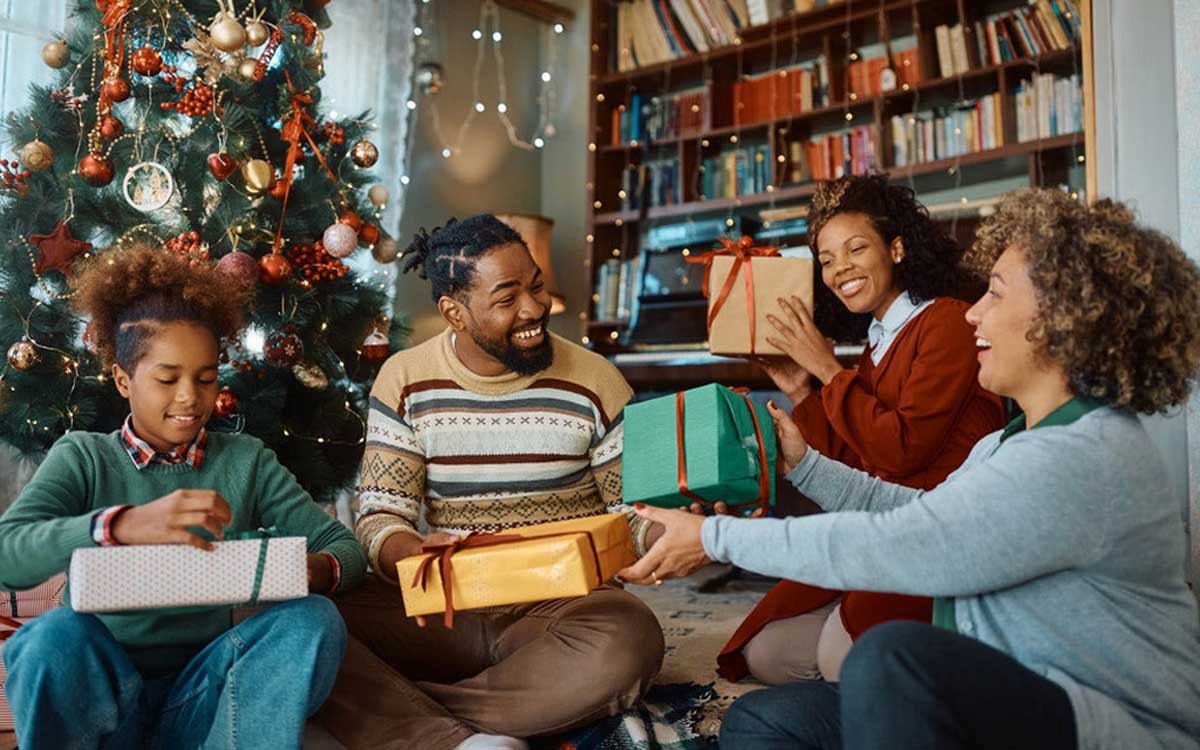
Gift-giving is one of those details. The right present can become a lasting reminder of a special day, long after the party has ended and the photos have been shared. For this reason, many people are moving away from throwaway gifts and choosing pieces that feel more personal, useful or sentimental.
Whether you are attending a birthday dinner, planning a bridesmaid proposal or celebrating a major achievement, choosing a meaningful gift does not have to be complicated. It is about thinking carefully about the person, the occasion and the kind of item they will genuinely treasure.
Start with the occasion
The best gifts usually reflect the celebration itself. A milestone birthday, for example, may call for something more sentimental than a casual housewarming. A graduation gift might focus on the next chapter of someone’s life, while an anniversary present may be more romantic or personal.
Thinking about the occasion helps narrow down the type of gift that feels appropriate. For major life events, many people prefer presents that can be kept for years, rather than something that will be used once and forgotten. This is why jewellery, keepsake boxes, photo albums, framed prints and personalised accessories remain popular choices for celebrations.
A meaningful gift does not always need to be extravagant. In many cases, the thought behind it matters more than the price. A piece chosen because it reflects someone’s style, birthstone, favourite metal or personal story can feel far more special than a generic expensive item.
Consider the person’s personal style
One of the most important parts of choosing a celebration gift is thinking about the recipient’s taste. This is particularly true for fashion, accessories and jewellery, where personal style plays a major role.
Look at what they already wear. Do they prefer gold or silver tones? Are they drawn to simple, minimal pieces or bolder designs? Do they wear the same necklace every day, or do they like changing their accessories depending on the outfit?
For events such as birthdays, bridesmaid gifts or family celebrations, jewellery can be a lovely option because it feels personal without being overly complicated. It can be worn on the day itself, kept as a reminder of the occasion and restyled for future events. This makes jewellery gifting especially well-suited to celebrations where sentiment and longevity matter.
If you are unsure, classic pieces are often the safest choice. Simple earrings, delicate bracelets, pendant necklaces and understated rings tend to be more versatile than highly trend-led designs. They can be worn with party dresses, workwear, casual outfits and future event looks, making them more likely to become part of someone’s regular wardrobe.
Plan ahead where possible
Good gifts rarely come from a last-minute panic. While it is always possible to find something quickly, planning ahead gives you more time to choose carefully, compare options and make sure the gift arrives in time.
This is especially important around busy celebration seasons, such as Christmas, wedding season, graduation periods and major family birthdays. Delivery times can be longer, popular items can sell out and personalised gifts may need extra preparation.
Planning ahead also helps avoid unnecessary overspending. When a celebration is approaching quickly, it is easy to choose something more expensive simply because it is available. Giving yourself more time allows you to set a realistic budget and find a gift that feels thoughtful without putting pressure on your finances.
For bigger occasions, it may help to treat gifts as part of your wider financial planning. Weddings, milestone birthdays, hen parties, baby showers and anniversaries can all add up quickly, especially when travel, outfits, accommodation and party costs are involved. Setting aside a budget early makes the process feel more manageable and helps ensure the gift remains enjoyable rather than stressful.
Think about how the gift will be used
A memorable gift should suit the recipient’s real life, not just the event itself. Before buying, consider whether the person will actually use, wear or display it.
For example, a statement accessory may look beautiful, but if the recipient usually prefers subtle styling, it may sit unused. Similarly, homeware can be thoughtful, but only if it fits their taste and space. The most successful gifts usually strike a balance between special and practical.
Jewellery is a good example of this balance. A pair of elegant earrings or a simple necklace can feel elevated enough for a party, while still being wearable afterwards. This gives the gift a life beyond the celebration and helps it become attached to future memories too.
The same applies to other keepsakes. A framed photo from a party, a handwritten card or a carefully chosen personalised item can become much more meaningful when it connects to the person’s everyday life.
Presentation makes a difference
The way a gift is presented can change how it feels. Even a small present can feel more special when it has been wrapped carefully, placed in a gift box or accompanied by a handwritten note.
Presentation does not need to be excessive. In fact, simple and elegant wrapping often feels more thoughtful than over-the-top decoration. Tissue paper, ribbon, gift bags and keepsake boxes can all help create a sense of occasion.
If you are posting a gift or travelling with it, practicality matters too. Fragile or delicate items should be protected properly, and anything being packed in a parcel should be secured so it arrives in good condition. Even everyday items such as packaging tape can be part of making sure a carefully chosen gift is protected, especially when sending presents ahead of birthdays, weddings or long-distance celebrations.
Good presentation shows care. It tells the recipient that the gift was not just bought quickly, but chosen and prepared with them in mind.
Make it personal without overcomplicating it
Personalisation can make a gift feel more meaningful, but it does not always have to mean engraving names or dates. Sometimes, a personal gift is simply one that reflects the recipient’s taste, memories or relationship with the giver.
A birthstone-inspired piece of jewellery, a colour they always wear, a symbol that means something to them or a design linked to a shared memory can all feel personal without being too obvious. This can be particularly useful for people who prefer subtle, timeless pieces over highly customised items.
Cards also matter more than many people realise. A short handwritten message can add emotional weight to even a simple gift. For milestone events, it gives you the chance to explain why you chose the present and what you hope it will remind them of.
Choose gifts with longevity
Celebrations often pass quickly. The decorations come down, the cake is eaten and the outfit may only be worn once. A lasting gift helps extend the memory of the day.
This is why timeless gifts are often the most meaningful. Jewellery, photographs, keepsakes and quality accessories can remain long after the event itself. They become reminders not only of the celebration, but of the person who gave them.
When choosing a gift, ask whether it will still feel relevant in a year, five years or even longer. If the answer is yes, it is more likely to be a thoughtful choice.