Lash clusters have taken over beauty routines everywhere, and it’s easy to see why. They offer a fuller, more dramatic look without the commitment of a professional lash extension appointment. But here’s what nobody tells you upfront: applied incorrectly, lash clusters can seriously harm your natural lashes. We’re talking breakage, thinning, and even permanent loss. So before you grab that tiny strip of falsies, let’s walk through exactly how to apply lash clusters without putting your natural lashes at risk, step by step.
What Are Lash Clusters and Why Do They Risk Natural Lash Damage?
Lash clusters are small groupings of synthetic lash fibers that attach directly to your natural lashes or lash line. Unlike a full strip lash that spans the entire eye, clusters are individual sections, typically containing anywhere from three to ten fibers. This design gives you more control over placement and lets you build volume exactly where you want it.
The appeal is obvious. Lash clusters look more natural than traditional strip lashes, last longer with the right adhesive, and comfortable lash clusters have become more accessible and affordable than ever before. But that accessibility also means a lot of people apply them without understanding the risks.
The damage usually comes down to three main problems. First, using too much glue creates a rigid bond that pulls on your natural lashes every time you blink or touch your eye. Second, placing clusters directly on top of natural lashes (rather than at the base) can weigh them down and cause breakage over time. Third, improper removal is often the biggest culprit. Pulling off clusters without a proper dissolving agent tears out natural lashes along with the cluster. None of these outcomes are inevitable, though. With the right technique and the right products, lash clusters can be a completely safe addition to your routine.
How to Apply Lash Clusters Safely: Step-by-Step
Proper application is everything. The difference between lash clusters that look amazing and last for days versus ones that damage your lashes often comes down to a few small but important choices made before the clusters even touch your eye.
Step 1: Cleanse and Prep Your Natural Lashes
Start with a clean base. Any oil, makeup residue, or mascara left on your lashes will interfere with adhesive bonding, which means the cluster won’t hold properly. The same order-of-operations logic runs through the rest of the face, which is why a cream blush that lasts starts with letting the base set before anything goes on top of it. Use an oil-free micellar water or a gentle lash cleanser to remove all traces of product from your lashes and lash line.
After cleansing, let your lashes dry completely before moving on. A quick pass with a clean spoolie helps separate and lift your natural lashes, which makes placement much easier and more precise. Some people also lightly curl their natural lashes beforehand so the clusters blend in seamlessly. Skip mascara at this stage. Mascara applied before clusters can cause the adhesive to break down faster and make removal messier later.
Step 2: Apply Adhesive and Place the Clusters
Choose a lash cluster adhesive specifically formulated for this purpose. Apply a small amount of glue to the base of the cluster, not the full length of the fibers. Let the adhesive sit for about 30 to 45 seconds until it reaches a slightly tacky consistency. This waiting step matters more than most people realize. Wet glue slides around and won’t hold the cluster in place, so patience here pays off.
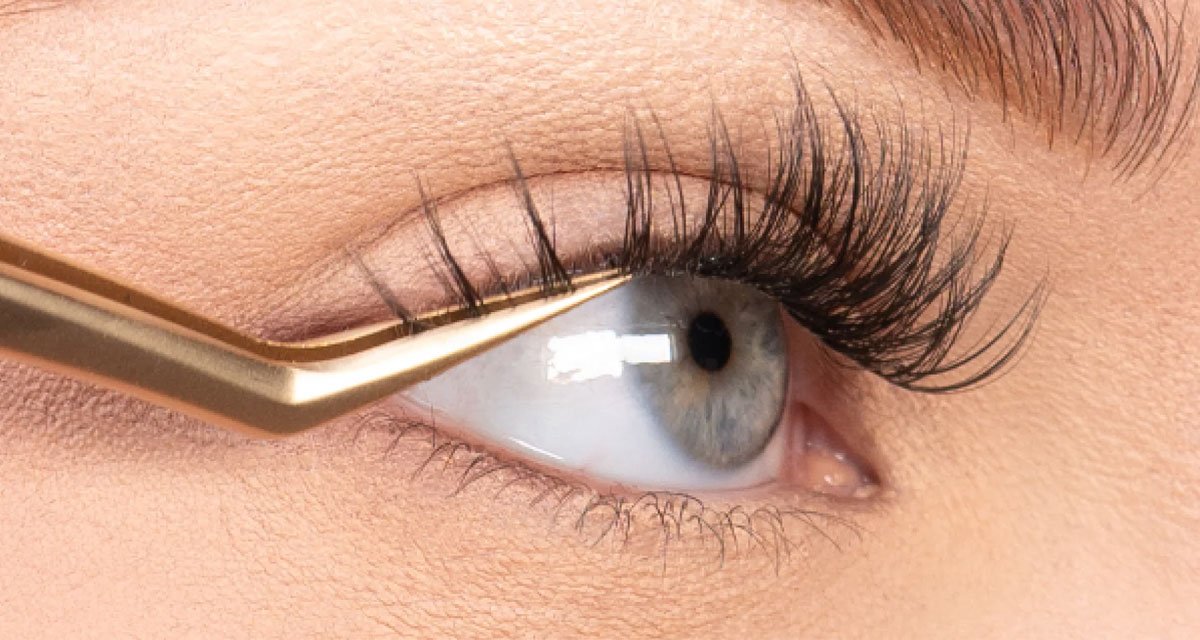
Use a pair of precision tweezers or a lash applicator to place each cluster at the base of your natural lashes, as close to the lash line as possible without touching the skin of your eyelid. Placing the cluster on your skin rather than your lash root is a common mistake that leads to irritation and a shorter hold time. Work from the outer corner inward, and hold each cluster in place for a few seconds after placement to let the adhesive grip.
Step 3: Blend, Seal, and Let Set
Once all your clusters are in place, take a clean spoolie and gently comb through your lashes to blend the clusters with your natural ones. This step unifies the look and catches any clusters that may have shifted slightly during application.
If you have a lash bond and seal product, apply a light coat of the sealer over the top of your lashes. This locks the clusters in place, extends the wear time, and adds a layer of protection between the adhesive and your natural lashes. After sealing, let everything set for at least two to three minutes before touching your eye area. You can add a coat of mascara at this point if you want extra volume, but it’s optional. A water-based mascara is the best choice here since it won’t break down the adhesive.
How to Remove Lash Clusters Without Pulling Out Your Natural Lashes
Removal deserves just as much attention as application, if not more. Rushing this step or skipping proper products is exactly how natural lash damage happens.
Start by soaking a cotton pad with an oil-based makeup remover or a dedicated lash cluster remover. Hold it over your closed eye for 30 to 60 seconds. The goal is to dissolve the adhesive bond before you try to move the cluster at all. You’ll know the adhesive has loosened because the cluster will feel less rigid and start to shift on its own.
Use your fingertips or a pair of tweezers to gently slide the clusters off in a downward direction, following the natural angle of your lashes. Do not pull upward or outward. Any resistance means the bond hasn’t fully dissolved yet, so add more remover and wait a little longer. Forcing a cluster off is the single most preventable cause of lash loss.
After all clusters are removed, cleanse your lashes thoroughly to remove any remaining adhesive residue. A gentle lash cleanser or oil-free micellar water works well here. Follow up with a nourishing lash serum if you use them regularly. Giving your natural lashes a day or two of rest between applications also makes a significant difference in their long-term health.
Conclusion
Lash clusters are a genuinely great tool for a full, beautiful look as long as you treat your natural lashes with care throughout the process. Prep thoroughly, place with precision, and always dissolve before you remove. Those three principles are what separate a routine that works from one that causes damage. Follow these steps consistently, and your natural lashes will stay healthy no matter how often you reach for the clusters.