Running an e-commerce business can look clean and digital from the outside, but behind every smooth checkout page sits a messy reality: stock counts, returns, shipping delays, and warehouse headaches. If you sell physical products, inventory management shapes customer trust more than most founders expect. A product page can promise speed and convenience all day, but if your inventory system is shaky, customers notice fast. Good inventory management keeps your operation efficient, your margins healthier, and your team from playing detective every afternoon.
Inventory Problems Usually Start Small and Get Expensive Fast
Most inventory issues don’t begin with a dramatic warehouse failure. They start with tiny mismatches: one item scanned incorrectly, one return not logged, one supplier delay ignored for too long. Then the damage spreads. You oversell a product, customer support gets swamped, and your ad spend keeps pushing an item you can’t ship.
If you’re selling online, accuracy matters at the unit level. A difference of five units might sound harmless until those five units trigger canceled orders and refund requests. Customers rarely care whether the problem came from your software, your supplier, or a tired employee on a late shift.
You also need to think beyond your online storefront. Inventory affects purchasing, warehousing, fulfillment speed, and even reviews. In e-commerce, stock problems don’t stay in the back room. They show up in public, usually with one-star energy.
Warehouse Efficiency Has a Direct Effect on Customer Experience
Customers may never see your warehouse, but they absolutely feel its performance. A cluttered, disorganized picking area leads to delays, wrong items, and stressed staff. That friction eventually reaches the buyer.
Good warehouse organization starts with layout and labeling. Fast-selling items should be easy to access. Product locations should make sense to the people doing the work, not just the person who set up the shelves six months ago. Barcodes, scanners, and clear bin systems reduce avoidable mistakes.
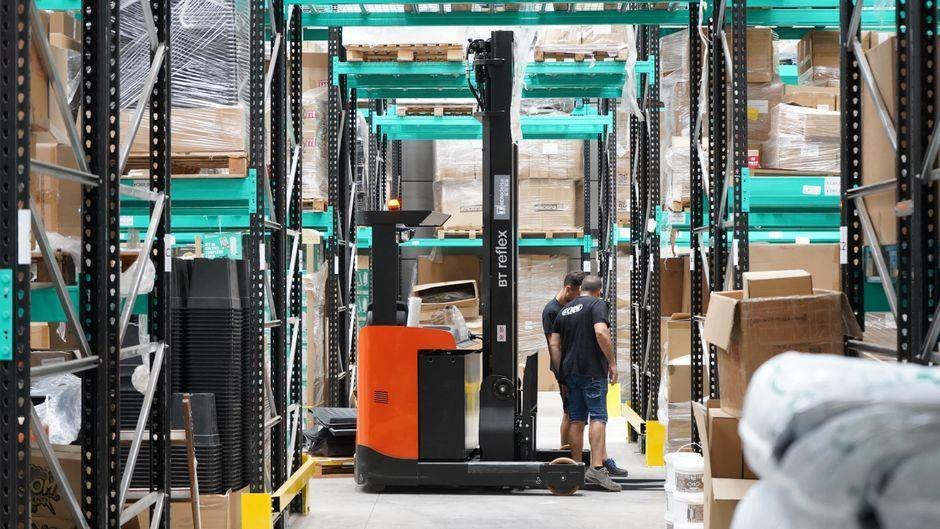
Equipment matters too. If your operation uses material handling machines, maintenance can’t be treated like optional admin work. Reliable equipment keeps inventory flowing safely and on schedule. Sourcing quality Raymond Forklift Parts can help reduce unnecessary downtime and keep fulfillment moving when order volume climbs, particularly for facilities using Raymond forklifts as part of their material handling operations.
A late shipment often starts long before the shipping label gets printed.
Your Inventory System Should Match the Way You Actually Sell
A lot of businesses outgrow their inventory setup before they admit it. Maybe you started with spreadsheets, then added a basic app, then connected a few sales channels and hoped the system would somehow evolve into a logistics genius. It won’t.
Your inventory process needs to reflect your real operation. If you sell on Shopify, Amazon, and your own site, you need synchronization across channels. If you bundle products, track serial numbers, or handle seasonal spikes, those features can’t be an afterthought.
A useful system should help you:
– Track stock in real time
– Set reorder points based on demand
– Monitor returns and damaged goods
– Flag slow-moving inventory
– Prevent duplicate listings and overselling
You’re not looking for flashy dashboards alone. You need data that helps you act quickly. Pretty graphs are nice, but they don’t pick, pack, or reorder stock.
Forecasting Demand Is Part Data Science, Part Pattern Recognition
Forecasting inventory sounds technical, and parts of it are. Still, you don’t need to become a full-time analyst to improve it. You need to pay attention to patterns, seasonality, and buying behavior.
Look at historical sales, promotions, shipping times, and return rates together. One month of strong sales doesn’t always mean a trend. It could mean a viral social post, a discount campaign, or a competitor running out of stock. Context matters.
If you ignore demand forecasting, you’ll usually land in one of two bad places:
– Too much stock, which ties up cash and storage space
– Too little stock, which creates delays and lost sales
The stronger approach blends software insights with human judgment. If you know your niche has back-to-school spikes, holiday surges, or weather-sensitive demand, build around that. Inventory planning isn’t psychic work. It’s disciplined pattern spotting with fewer crystal balls and more spreadsheets.
Returns Management Deserves More Attention Than It Usually Gets
Returns are one of the least glamorous parts of e-commerce, which probably explains why so many businesses handle them poorly. The trouble is, returns affect inventory accuracy, resale potential, labor costs, and customer loyalty all at once.
You need a clear process for inspecting returned items and deciding what happens next. Can the item go back into active stock? Does it need repackaging? Is it damaged, incomplete, or unsellable? If those decisions happen inconsistently, your stock data becomes fiction.
A smart returns workflow should include:
– Fast item inspection after receipt
– Clear condition categories
– Updated stock counts in real time
– Separate storage for unsellable products
– Reporting on return reasons and repeat issues
Returns data can reveal product defects, weak packaging, or misleading listings. That information is useful far beyond the warehouse. If customers keep returning the same item for the same reason, your inventory team is seeing a warning sign before your marketing team does.
Supplier Relationships Can Protect You From Inventory Chaos
Inventory management isn’t only about what happens inside your business. Supplier performance plays a huge role in whether your shelves stay stocked and your orders stay on time. A vendor with inconsistent lead times can quietly wreck your planning.
You should track supplier reliability with the same seriousness you give sales metrics. Measure lead times, fill rates, pricing stability, and communication quality. If a supplier frequently misses deadlines, you need backup options before the next peak season hits.
It also helps to have honest conversations with vendors about forecasts and risks. If you expect a sharp sales jump, tell them early. If certain components or products are hard to source, build cushion into your purchasing plan.
Strong supplier management gives you more room to breathe. Weak supplier management turns every disruption into a scramble. In e-commerce, scrambling tends to be expensive, public, and full of apology emails.
Better Inventory Habits Create Stronger Margins Over Time
Inventory management can seem operational, but its impact is deeply financial. Poor stock control drains cash through overordering, emergency shipping, write-offs, and lost sales. Strong control improves turnover, forecasting, and labor efficiency.
If you want practical gains, start with habits that are easy to maintain:
– Run cycle counts regularly instead of waiting for annual inventory
– Audit fast-selling SKUs more often
– Review dead stock every month
– Compare forecasted demand with actual sales
– Fix recurring discrepancies at the process level
The goal isn’t perfection. Warehouses are run by humans, and humans occasionally scan the wrong box or place something where it absolutely does not belong. The goal is a system that catches errors early and recovers quickly.
When your inventory operation improves, your whole business gets steadier. Customers get accurate delivery promises. Your team spends less time firefighting. Your cash works harder. That’s not flashy, but it’s how durable e-commerce brands are built.