A brain injury can change everything in a matter of seconds. One car crash on the Gardiner Expressway. A slip and fall on an icy Toronto sidewalk. A cycling accident at a busy downtown intersection. What may initially seem like a “minor” head injury can turn into months — or even years — of physical, emotional, and financial hardship.
In Toronto, traumatic brain injuries (TBIs) are among the most serious and complex personal injury claims. That’s because brain injuries don’t just affect one part of your body — they can affect your memory, personality, employment, relationships, and independence. And when it comes to compensation, the long-term impact of a brain injury plays a major role in how much a claim may be worth.
Let’s take a closer look at how brain injuries affect long-term compensation in Toronto — and why these cases are handled differently under Ontario law. An experienced Toronto brain injury claim lawyer can help ensure the full impact of your injury is properly recognized.
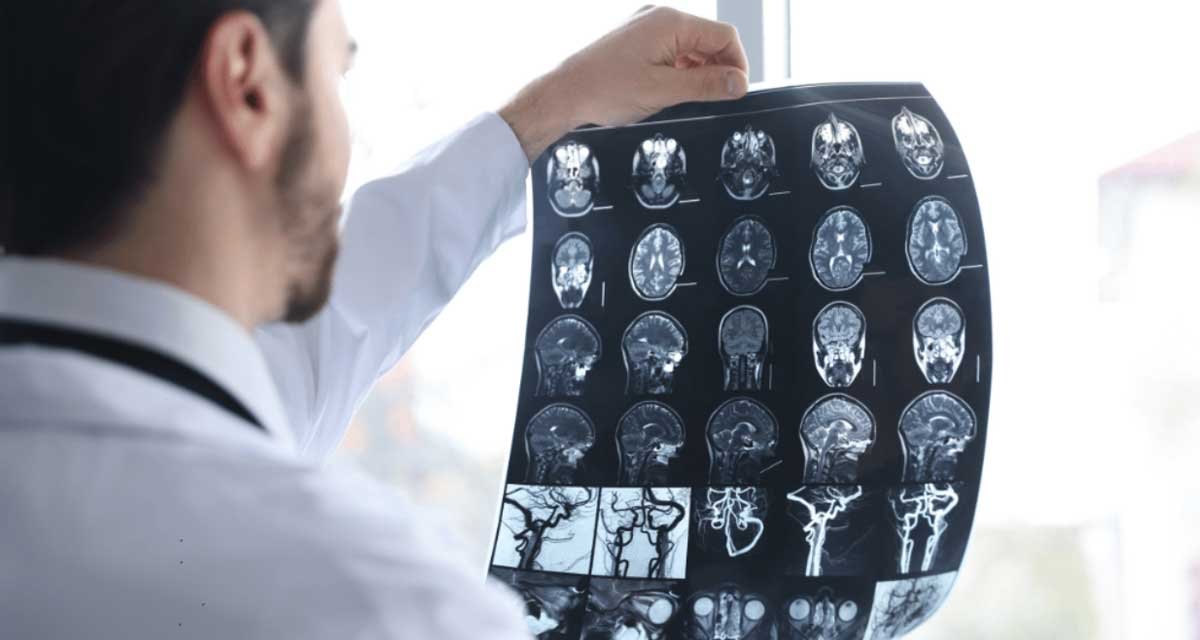
Understanding Brain Injuries in Personal Injury Claims
Brain injuries range from mild concussions to severe traumatic brain injuries that cause permanent cognitive impairment. In many Toronto accident cases — especially car accidents, pedestrian collisions, and slip and falls — victims may initially feel “okay.” Symptoms like headaches or dizziness are often dismissed.
But weeks later, more serious issues can appear:
- Memory problems
- Difficulty concentrating
- Mood changes or depression
- Sensitivity to light and noise
- Sleep disturbances
- Personality shifts
- Reduced ability to work
Unlike a broken bone, a brain injury is often invisible. There’s no cast, no obvious scar. Yet the impact can be far more devastating — especially when it interferes with someone’s ability to earn a living.
Why Brain Injury Claims Are More Complex in Toronto
In Ontario, personal injury claims involving brain injuries typically fall under two main areas:
- Accident Benefits (no-fault benefits through your insurance)
- Tort Claims (lawsuits against the at-fault party)
The long-term consequences of a brain injury directly affect both.
1. Impact on Accident Benefits
Under Ontario’s Statutory Accident Benefits Schedule (SABS), the classification of an injury — catastrophic vs. non-catastrophic — significantly affects available benefits.
If a brain injury is deemed catastrophic, the injured person may qualify for significantly higher medical and rehabilitation benefits. Catastrophic impairment can unlock access to up to $1 million or more in medical and attendant care benefits, depending on the policy and date of the accident.
This is critical because brain injury recovery is often long-term and expensive. Victims may require:
- Ongoing neurological assessments
- Cognitive therapy
- Psychological counselling
- Occupational therapy
- Personal support workers
- Assistive devices
- Home modifications
A severe brain injury in Toronto could require lifetime care, especially in cases involving younger victims.
2. Impact on Lawsuits and Settlement Value
When pursuing a lawsuit against the at-fault driver or property owner, the long-term impact of a brain injury becomes central to calculating damages.
Compensation may include:
• Pain and Suffering
Brain injuries can permanently affect quality of life. Chronic headaches, emotional instability, and cognitive impairment are all factors considered.
• Loss of Income
If the injured person cannot return to their previous job — or cannot work at all — future income loss becomes a major component of the claim.
For example, if a 35-year-old professional in Toronto suffers a moderate to severe TBI and can no longer work, the future income loss over 30 years could reach into the millions.
• Loss of Competitive Advantage
Even if someone can return to work, cognitive impairment may reduce their chances of promotions or career advancement.
• Cost of Future Care
This includes therapy, rehabilitation, medications, and home assistance over decades.
• Loss of Housekeeping and Home Maintenance
If the injured person can no longer perform household tasks, compensation may include the cost of hiring help.
The Long-Term Financial Impact of Brain Injuries
One of the biggest reasons brain injuries lead to higher compensation claims is unpredictability.
A broken arm heals in months. A concussion may evolve into post-concussion syndrome lasting years. Severe TBIs can cause permanent disability.
Toronto courts and insurance companies consider:
- Life expectancy
- Level of cognitive impairment
- Impact on independence
- Ability to return to work
- Need for future medical care
- Psychological effects
A young university student in Toronto who suffers a serious brain injury may lose not only current income, but their entire future earning potential.
Catastrophic vs. Non-Catastrophic Brain Injuries
The catastrophic designation under Ontario insurance law is especially important.
To qualify as catastrophic, the brain injury must meet specific medical criteria, often involving significant cognitive impairment confirmed by neuropsychological testing.
If classified as catastrophic, the compensation and benefits available increase dramatically. This is why expert medical reports play a crucial role in brain injury claims in Toronto.
Insurance companies often challenge catastrophic designations because the financial difference is substantial.
The Emotional and Psychological Impact
Brain injuries often bring emotional changes that deeply affect families.
Spouses may describe personality shifts. Parents may struggle with a child’s cognitive regression. Mood instability, depression, and anxiety are common.
These factors are not just medical — they influence compensation because they reflect real loss of enjoyment of life and loss of normal functioning.
Toronto courts recognize that brain injuries can fundamentally change a person’s identity.
Why Early Legal Guidance Matters
Brain injury cases require:
- Neurologists
- Neuropsychologists
- Vocational experts
- Life care planners
- Economists
The long-term cost must be projected carefully. A settlement reached too early — before the full impact is known — can leave an injured person financially vulnerable.
Insurance companies in Toronto often attempt early settlements before long-term symptoms fully develop. This can significantly undervalue the claim.
Final Thoughts
Brain injuries are some of the most devastating and life-changing injuries a person can experience. In Toronto, the long-term effects of a brain injury can significantly impact the amount of compensation available — sometimes reaching hundreds of thousands or even millions of dollars.
Factors such as the level of cognitive impairment, the ability to return to work, ongoing medical and rehabilitation needs, and the emotional and psychological consequences all influence the overall value of a claim.
What may initially appear to be a “mild concussion” can gradually develop into lasting complications that affect every aspect of daily life. For this reason, brain injury claims must be handled with careful, long-term planning — not rushed decisions or short-term settlements.
If you or a loved one has suffered a brain injury in Toronto due to someone else’s negligence, seeking proper legal guidance and understanding how the injury affects long-term compensation is a critical step toward protecting your future.