The modern residential bathroom is no longer viewed merely as a utilitarian space for basic hygiene; it has rapidly evolved into a personal sanctuary designed for relaxation, rejuvenation, and wellness. As homeowners increasingly seek to replicate the spa experience within their own four walls, the demand for sophisticated, high-performance fixtures has skyrocketed. Whether you are planning a comprehensive, down-to-the-studs remodel or simply looking to refresh an outdated powder room, prioritizing strategic bathroom plumbing upgrades is the most effective way to elevate the space. These improvements do more than just modernize the aesthetic; they fundamentally enhance daily comfort, drastically improve water efficiency, and consistently offer one of the highest returns on investment when it comes time to sell the property.
Navigating the vast array of available plumbing options can be overwhelming. The market is flooded with innovative technologies, ranging from digitally controlled shower valves to toilets that clean themselves. However, the most successful renovations focus on upgrades that seamlessly blend form and function. This means selecting fixtures that not only look beautiful but also address common household frustrations, such as fluctuating water temperatures, low water pressure, and excessive utility bills. Furthermore, a truly comprehensive upgrade strategy must look beyond the shiny chrome finishes and address the hidden infrastructure behind the walls, ensuring that the pipes delivering the water are as modern and reliable as the fixtures themselves. This guide explores the most impactful bathroom plumbing upgrades that will transform your daily routine and protect your home’s value.
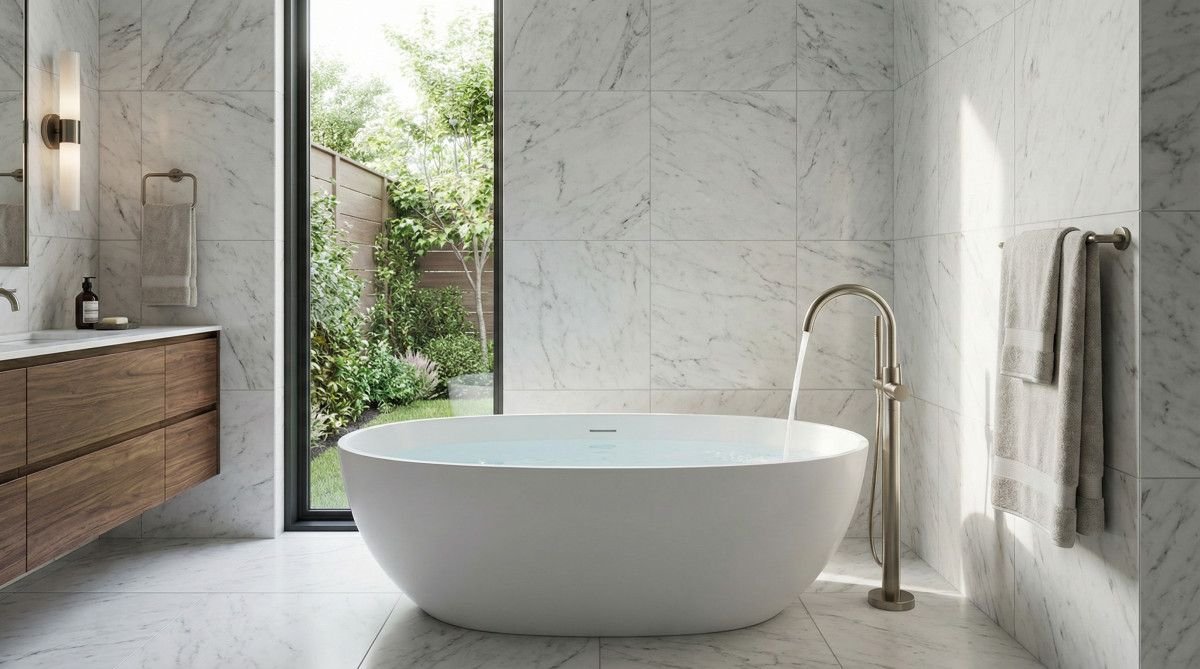
Upgrading to Low-Flow and WaterSense Fixtures
Answer Capsule: The most cost-effective bathroom plumbing upgrades involve replacing outdated faucets, showerheads, and toilets with modern, low-flow WaterSense certified models. These fixtures drastically reduce water consumption without sacrificing water pressure or performance.
For decades, the term “low-flow” carried a negative stigma, often associated with weak, sputtering showers and toilets that required multiple flushes to clear the bowl. However, modern plumbing engineering has completely eliminated these compromises. Today, upgrading to fixtures bearing the Environmental Protection Agency’s (EPA) WaterSense label is a brilliant financial and environmental decision. These certified products are rigorously tested to use at least 20 percent less water than standard models while performing equal to or better than their less efficient counterparts. For instance, modern WaterSense showerheads utilize advanced aerators that inject air into the water stream, creating large, heavy droplets that provide the sensation of a high-pressure, drenching shower while actually consuming significantly less water.
The toilet is typically the largest single source of indoor water use in a residential home. Replacing an older toilet, which can use up to 3.5 to 5 gallons per flush, with a modern high-efficiency model that uses 1.28 gallons or less yields immediate and dramatic savings on the monthly water bill. For even greater control, dual-flush toilets have become increasingly popular. These models feature a split-button actuator, allowing users to select a lower-volume flush for liquid waste and a standard-volume flush for solid waste. By making these relatively simple, inexpensive fixture swaps, a typical household can save thousands of gallons of water annually, quickly offsetting the initial purchase price of the new hardware.
Transforming the Shower Experience
Answer Capsule: Converting a standard tub-shower combo into a spacious, custom walk-in shower is one of the most sought-after bathroom plumbing upgrades. This often involves installing multiple showerheads, body sprays, and a thermostatic mixing valve for precise temperature control.
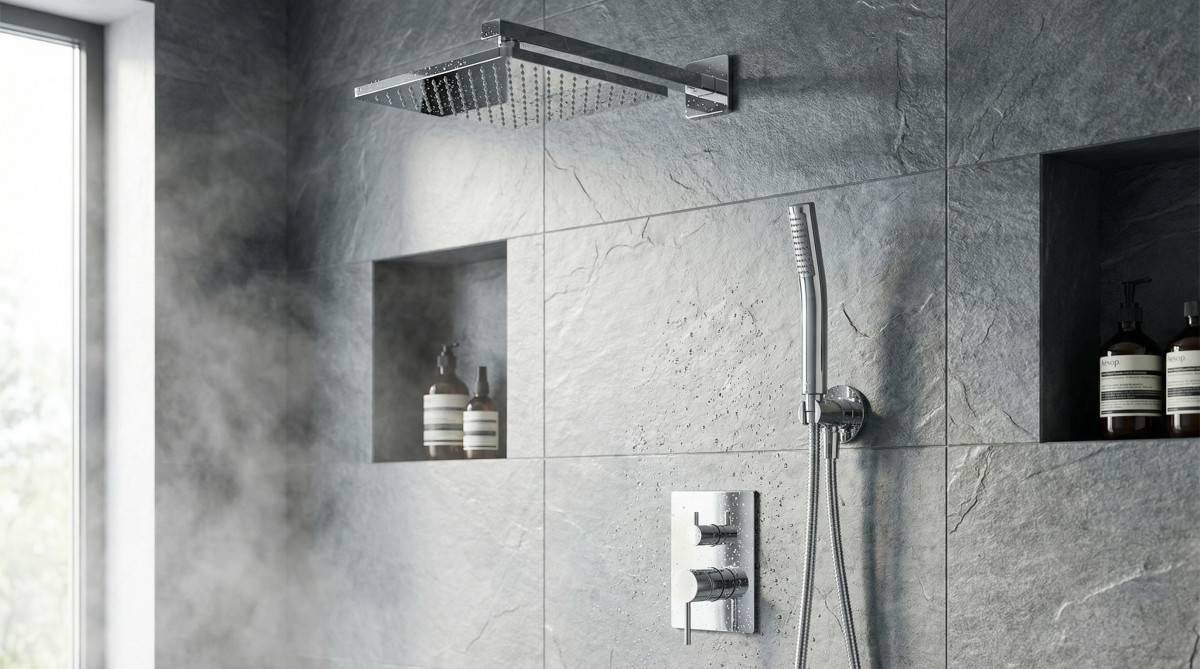
The centerpiece of a luxury bathroom remodel is almost always the shower. In recent years, there has been a massive architectural shift away from large, rarely used jacuzzi tubs in favor of expansive, curbless walk-in showers. This transition requires significant plumbing modifications. A premium shower upgrade typically moves beyond a single, fixed wall-mounted head. Homeowners are increasingly installing multi-function systems that include a large, ceiling-mounted rain showerhead for a gentle, soaking experience, paired with a slide-bar mounted handheld wand. The handheld wand is an incredibly practical addition, making it easier to rinse off, bathe children or pets, and clean the shower enclosure itself.
To support these advanced multi-outlet shower systems, upgrading the shower valve behind the wall is absolutely critical. Traditional pressure-balancing valves are adequate for single showerheads, but for a truly high-end experience, a thermostatic mixing valve is required. A thermostatic valve allows the user to set a precise, exact water temperature (e.g., 101 degrees Fahrenheit) on one dial, while controlling the water volume and selecting which showerheads are active on separate dials. More importantly, thermostatic valves instantly react to changes in the home’s water supply. If someone flushes a toilet or starts the washing machine elsewhere in the house, the valve automatically adjusts the hot and cold water mix to maintain the exact set temperature, completely eliminating the dangerous and unpleasant “cold water sandwich” or sudden scalding bursts.
Behind-the-Walls: Replacing Old Pipes
Answer Capsule: While not immediately visible, replacing old galvanized steel or polybutylene pipes with modern PEX or copper is the most critical of all bathroom plumbing upgrades. This preventative measure ensures clean water delivery, prevents disastrous leaks, and improves overall water pressure.
It is easy to get caught up in selecting beautiful tile and designer faucets, but the most important aspect of a bathroom remodel lies hidden behind the drywall. If your home was built before the 1990s, it may still rely on galvanized steel or outdated polybutylene supply lines. Galvanized pipes are notorious for rusting from the inside out. Over decades, this internal corrosion restricts water flow, leading to chronically low water pressure, and introduces rust particles into the water supply, causing a metallic taste and brown staining on fixtures. Eventually, these corroded pipes will fail, resulting in catastrophic leaks inside the wall cavities. When undertaking a bathroom renovation where the walls are already opened up, replacing this aging infrastructure is a non-negotiable upgrade.
Modern plumbers typically recommend replacing old lines with PEX (cross-linked polyethylene) tubing. PEX has revolutionized residential plumbing. It is highly flexible, meaning it can be snaked through walls with far fewer joints and fittings than rigid copper or CPVC, significantly reducing the potential points of failure where leaks commonly occur. Furthermore, PEX expands rather than bursts if the water inside it freezes, making it an excellent choice for homes in colder climates. By repiping the bathroom during a remodel, homeowners ensure that their expensive new fixtures receive a clean, high-pressure, and reliable water supply for decades to come.
The Rise of the Smart Bidet Toilet
Answer Capsule: Integrating a smart bidet toilet or a high-end bidet seat is rapidly becoming a standard in modern bathroom plumbing upgrades. These fixtures offer superior hygiene, heated seating, and customized water pressure, significantly elevating the bathroom experience.
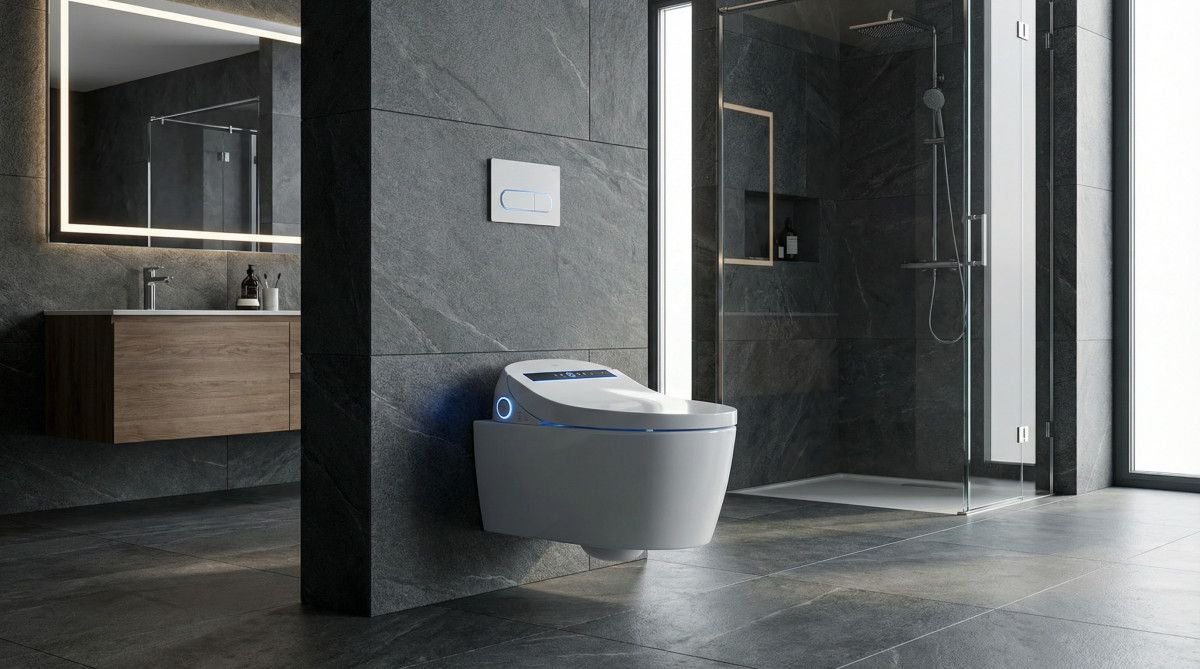
For many years, bidets were considered a European luxury rarely seen in North American homes. However, recent cultural shifts and a growing emphasis on personal hygiene have caused a massive surge in their popularity. Today, installing a smart bidet toilet or adding a high-end electronic bidet seat to an existing toilet is one of the most highly requested bathroom plumbing upgrades. These devices utilize a stream of warm water for cleansing, which is vastly more hygienic and gentler on the skin than dry toilet paper. From an environmental standpoint, they also drastically reduce a household’s reliance on toilet paper, saving trees and preventing clogs in the plumbing system.
Modern smart bidets are packed with luxurious features. Most high-end models offer adjustable water temperature and pressure, oscillating and pulsating wash modes, and a warm air dryer to eliminate the need for paper entirely. Additional comforts often include heated seats, automatic open-and-close lids, and built-in LED nightlights for safe navigation in the dark. Note that unlike a standard toilet, these electronic bidets require a dedicated GFCI electrical outlet installed nearby to power the heating elements and motors. Therefore, planning for a bidet requires coordination between the plumber and an electrician early in the renovation process.
Frequently Asked Questions
Do bathroom plumbing upgrades increase home value?
Yes, bathroom renovations consistently offer one of the highest returns on investment in real estate. Modernizing the plumbing fixtures, particularly upgrading the shower experience and installing water-efficient toilets, can significantly increase a home’s market appeal and resale value.
Can I install a rain showerhead without changing my plumbing?
In many cases, you can simply unscrew your existing standard showerhead and attach a rain showerhead to the existing wall-mounted shower arm. However, for a true, immersive overhead rain experience, a licensed plumber will need to open the wall and alter the pipes to bring the water line directly up and across the ceiling.
How much does it cost to repipe a bathroom?
If the walls are already open down to the studs during a remodel, repiping a single bathroom with modern PEX tubing typically costs between $1,000 and $2,500. If the walls are closed, the cost will be significantly higher due to the extensive demolition and subsequent drywall repair required to access the pipes.
Conclusion
Answer Capsule: Investing in thoughtful bathroom plumbing upgrades not only modernizes the aesthetic of the space but fundamentally improves its functionality and efficiency. From simple fixture swaps to comprehensive pipe replacements, these improvements pay dividends in comfort and home value.
A bathroom renovation presents a unique opportunity to drastically improve the daily functionality of your home while simultaneously boosting its market value. While cosmetic updates like new tile and paint are important, it is the underlying plumbing infrastructure and the quality of the fixtures that truly define the space’s performance. By prioritizing low-flow WaterSense technology, you can achieve significant utility savings without sacrificing comfort. Elevating the shower experience with multi-function heads and thermostatic valves brings the luxury of a spa into your daily routine, while the addition of a smart bidet offers unparalleled hygiene.
Most importantly, a successful remodel must address the hidden elements. Replacing aging, corroded pipes with modern materials ensures that your beautiful new fixtures are supported by a safe, reliable, and high-pressure water supply. Because plumbing work involves strict building codes and the potential for catastrophic water damage if done incorrectly, it is highly recommended to partner with a licensed, experienced plumbing contractor. Their expertise will ensure that your bathroom plumbing upgrades are executed flawlessly, providing you with a beautiful, efficient, and worry-free sanctuary for years to come.