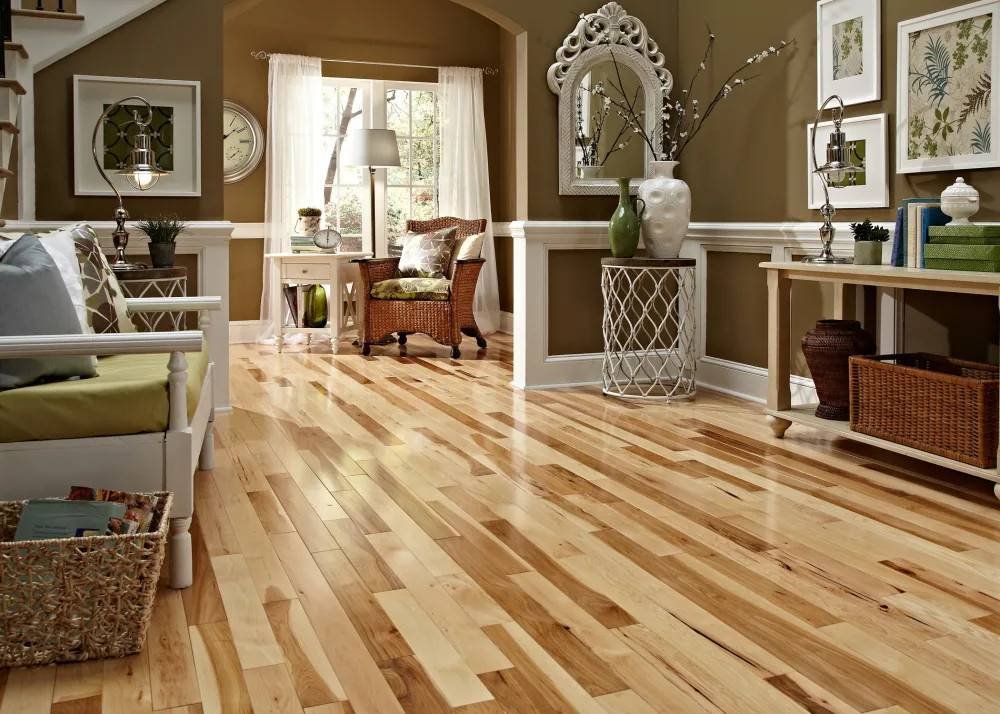
On hardwood flooring best prices, the number that matters is the total installed cost, not the lowest sticker per square foot, because the material is only part of it and the labor and grade decide the real spend. Typical installed costs run from about six to twenty-five dollars a square foot, and that total, not the material alone, is what a homeowner actually pays, explains Adams property management. So the best price means comparing species and grade against budget, buying a workhorse like oak or maple, and catching real clearance and closeout deals, while skipping the bargain that hides a defect.
The per-foot cost by species, where the real deals live, and how to buy a floor that lasts follow below.
What You Actually Pay
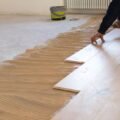
The price of hardwood splits into two nearly equal parts, and most shoppers only look at one. The material itself runs about four to fifteen dollars a square foot depending on the species, grade, and thickness, and professional installation adds about three to six dollars a foot, so a typical installed floor totals roughly six to twenty-five dollars a square foot, per the Bankrate hardwood flooring cost guide.
That is why a modest-looking per-foot price can surprise you once labor and waste are counted, and why comparing the total installed figure beats comparing the plank. There are also small costs on top: removing old carpet typically adds a couple of hundred dollars, leveling or subfloor prep can add more, and moving furniture for a whole-house job brings its own expense, so build those into the number you compare.
The Per-Foot Cost by Species
Species drives more of the price than anything else. On the affordable end, white or red oak and maple are the workhorses, with oak running about five to twelve dollars a square foot in material and maple similarly reasonable, and they take the everyday traffic of a home. Mid-priced woods like hickory and white ash run a bit higher and bring more durability and color. The premium tier, walnut and teak and rare imported woods, runs the most for material and is often reserved for accents. The pattern changes the number too, with wide planks at the low end for material and real parquet at the top.
The solid-versus-engineered choice matters for the price and the install. Solid hardwood is often cheaper to buy but pricier to install and can warp with humidity, while engineered wood, several plywood and hardwood layers, is more durable and less prone to warping and installs more easily, so it often carries a better price once labor is counted. Match the type to your subfloor and humidity as well as your budget.
Where the Real Deals Live
The cheapest way to buy real hardwood is on discount and closeout channels, warehouse and outlet retailers that specialize in surplus hardwood, plus big-box clearance sections, which carry solid oak and other hardwoods well under the typical material price.
A national on-sale hardwood feed shows the realistic range, with solid prefinished oak commonly listing at about five to nine dollars a foot.
The sale feed from a national flooring retailer shows the realistic numbers, with solid oak and other prefinished hardwoods commonly listed from about five to nine dollars a foot. Buying prefinished, ready to install, is the simplest route, while unfinished hardwood can cost less per foot but adds finishing labor and time.
When floor retailers run their biggest sales has no single guaranteed date, since warehouses clear stock year-round and promotions follow whenever new collections arrive, so the reliable habit is to check the clearance and closeout sections regularly and buy when a solid wood you want drops, rather than waiting for a specific month that never promises.
Buy for Value, Not for Junk
The deepest discounts tempt you into a bad buy, so keep the floor’s life in view. A low grade or “character” grade can be perfectly good and cheaper, with knots and color variation that many homeowners actually like, but a bargain that is damaged, mis-cut, or short on thickness is not a bargain at all, since you pay again to fix or replace it. The cost guidance is blunt on this: treat a wood floor as an investment, not a place to save, since a quality install typically recovers over one hundred percent of its cost when you sell, and a refinished floor recovers even more. The best price is the one that buys a solid, lasting floor you will not replace early.
How to Buy Well
Buying well keeps the total number honest. Measure the room and order roughly ten percent over for waste and cutting losses, since you cannot match a discontinued run later.
Compare the full installed total, material plus labor plus the extras, across a few quotes, and see what each includes rather than just the sticker. Check the warranty, the grade, and that local stock or delivery is solid, and weigh whether you install it yourself or hire, since the three-to-six-dollars-a-foot labor is real and a free install on a budget floor may still beat a cheap material you ruin doing it yourself.
Hardwood Flooring Prices: Common Topics
What is the most affordable hardwood flooring?
Red and white oak and maple are the most affordable solid hardwoods, with oak commonly running about $5 to $12 per square foot in material and maple similarly priced, and engineered oak is often the best value once the cheaper, easier install is counted. Pine and acacia make cheaper budget options.
How much does it cost to install 1,000 square feet of hardwood?
A 1,000-square-foot install typically totals about $6,000 to $24,000, depending on the species, grade, and pattern, since the price spans from budget oak to premium imported wood. Get installed total quotes, not just material, for an accurate number.
What is the best wood flooring for the money?
Red oak is a strong value, durable and affordable at about $5 to $11 per square foot in material, with white oak a bit more for extra rigidity, and engineered oak often the best buy when the easier, cheaper install is counted. Match the wood to your traffic and budget.
What month does flooring go on sale?
There is no guaranteed sale month, since warehouses clear stock and run promotions year-round and whenever new collections arrive. The reliable approach is to check clearance and closeout sections regularly and buy when the specific wood you want drops, rather than waiting for one month.
Where can I find cheap hardwood flooring?
Discount and closeout channels hold the best prices, outlet and warehouse hardwood retailers, surplus listings, and big-box clearance sections, where solid oak and other hardwoods often run well below typical material prices. Compare the total installed cost, not just the per-foot price.
Price the whole job, not the plank. Decide the species and grade you need, compare oak, maple, and engineered for your traffic and budget, add the labor and the waste to every quote, and buy real deals at clearance or wholesale rather than a bargain that hides a defect. A modest per-square-foot you can truly afford, installed right and built to last, beats a cheap-looking bargain every time, and that is the best price.