By the time most desk workers notice their ankles are puffy, they’ve been building toward that symptom for hours. The swelling at the end of a long workday feels minor — a nuisance, not a warning. But leg swelling from prolonged sitting sits at one end of a spectrum that, left unaddressed over months and years, can progress into chronic edema, varicose veins, and in serious cases, deep vein thrombosis.
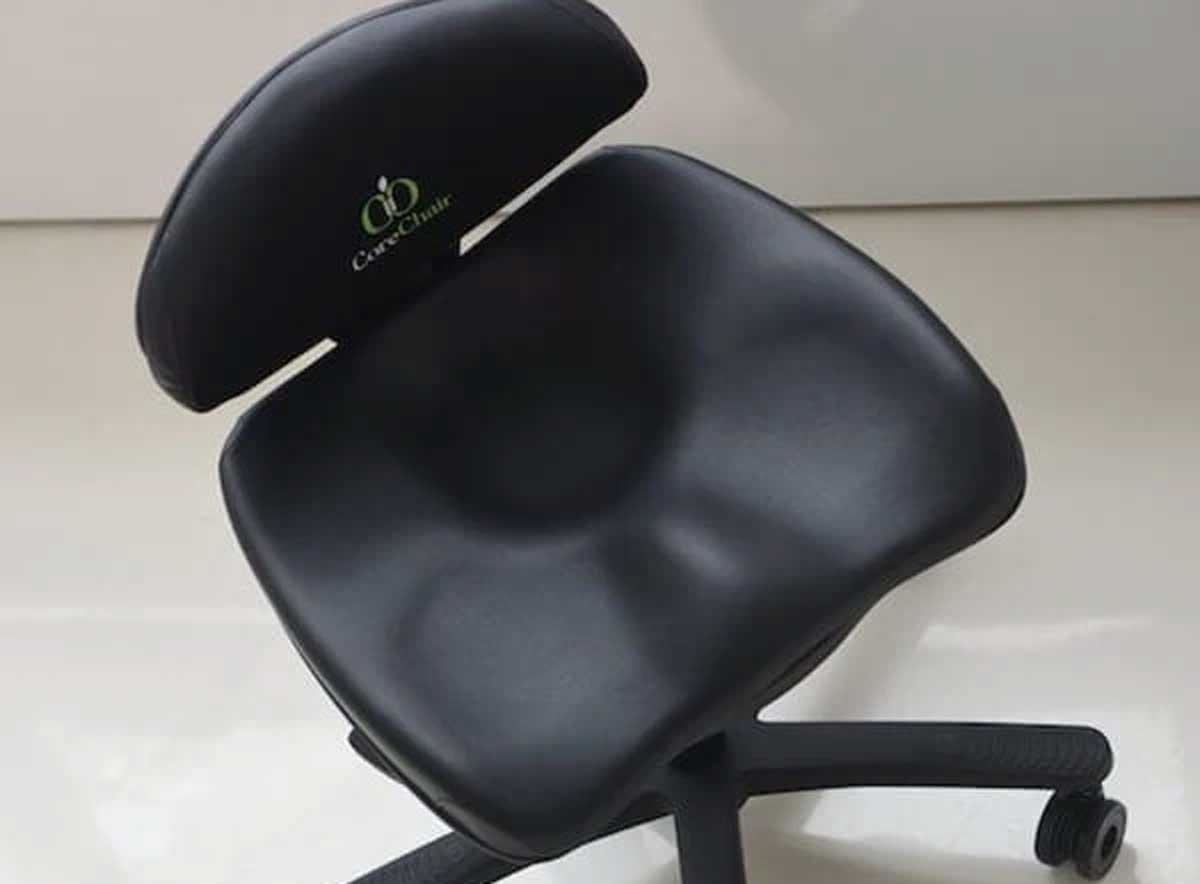
The good news is that the early and mid-range of this spectrum responds well to the right equipment choices. Choosing the best office chair for leg circulation — one built around continuous movement rather than static support — is one of the most effective daily interventions available to desk workers who spend six or more hours seated.
Why Sitting Still Is So Hard on Your Legs
The circulatory system has a problem with gravity. Arterial blood travels down to the legs under pressure from the heart, but venous return — blood traveling back up through the veins — depends on muscle contractions in the legs and feet to push it upward against gravity.
When you sit still, those muscles stop contracting. The calf and soleus muscles, which function as a secondary pump for venous blood, go inactive. Blood begins to pool in the lower legs. Vein walls face increased pressure. Fluid leaks into surrounding tissue. The result is the swelling and fatigue most desk workers accept as a normal part of long days.
What most people don’t realize is that this process begins within 30 minutes of static sitting — long before swelling is visible or discomfort is obvious. The harm accumulates quietly, and the conventional advice to stand up every 30 minutes significantly underestimates how continuous the problem actually is.
The Risk Spectrum — From Everyday Swelling to Medical Concern
Stage 1 — Daily Swelling and Leg Fatigue
The most common and widely experienced stage. Ankles swell toward the end of the day, legs feel heavy, feet tingle or go numb. This is the body’s immediate response to prolonged venous pooling. At this stage the problem is entirely reversible with movement — but most people simply elevate their feet in the evening and return to the same seated position the next morning, repeating the cycle indefinitely.
Stage 2 — Chronic Edema
Repeated daily swelling without adequate movement to clear pooled fluid can develop into persistent edema — swelling that doesn’t fully resolve overnight. Tissue in the lower legs can become firmer over time and the skin may begin to discolor. At this stage the cumulative effects of long-term poor circulation are becoming structural rather than temporary.
Stage 3 — Varicose Veins
Sustained elevated venous pressure damages the one-way valves inside leg veins. When those valves fail, blood flows backward and pools in the vein, causing it to enlarge and twist visibly beneath the skin. Varicose veins affect roughly 23% of adults and are significantly more prevalent in people with sedentary occupations. Beyond the cosmetic concern, they cause aching, heaviness, and increased risk of further complications.
Stage 4 — Deep Vein Thrombosis
DVT occurs when blood clots form in the deep veins of the leg — most commonly the calf or thigh. Prolonged immobility is a well-established contributing factor. A clot that migrates to the lungs becomes a pulmonary embolism, which is life-threatening. DVT is at the far end of the risk spectrum and for most desk workers the immediate concern is far removed from this level — but recognizing that everyday swelling and DVT exist on the same continuum is exactly why early-stage symptoms deserve attention rather than acceptance.
What the Best Office Chair for Leg Circulation Actually Needs to Do
Most chairs marketed for circulation focus on passive features: a waterfall seat edge to reduce pressure on the backs of the thighs, adjustable seat depth to prevent compression at the knee. These features address one specific source of pressure — but they do nothing to restart the calf muscle pump.
The best office chair for leg circulation should address the root cause: the absence of leg movement during seated work. That means a chair that induces continuous micro-movement, keeping the lower legs subtly active even while the upper body stays focused on the screen.
This is the distinction between chairs that reduce harm and chairs that actively support circulation. What makes CoreChair the best office chair for leg circulation is not a feature list but a design principle: keep the body moving throughout the entire workday.
How Active Sitting Keeps the Calf Pump Running
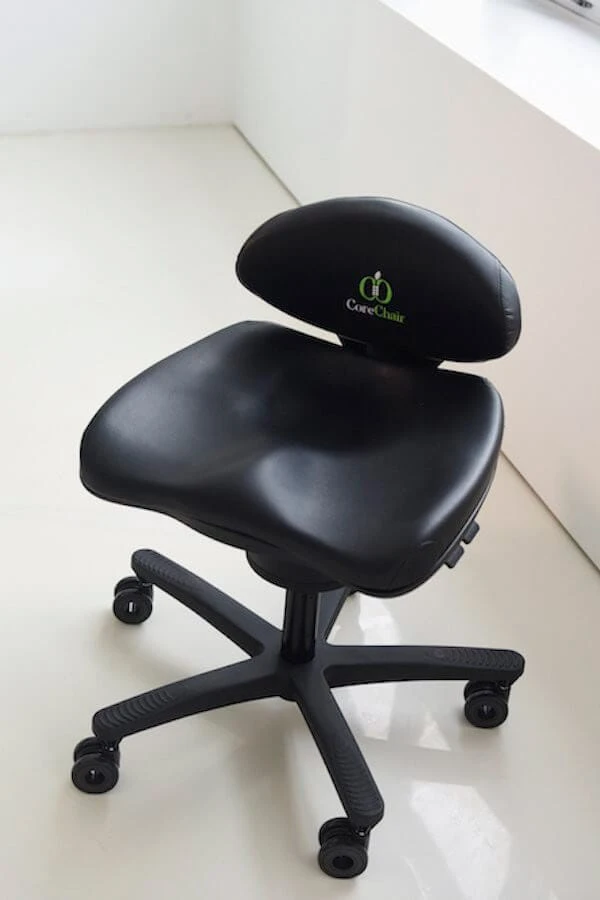
CoreChair is built around a dynamic pivot base that allows the seat to tilt, rock, and shift in response to the body’s natural weight shifts. Every small movement — adjusting position, shifting weight, leaning forward to read — ripples through the hips, pelvis, and legs, triggering the low-level muscle contractions that keep venous blood circulating upward.
There is no backrest or armrests. That’s intentional. Without passive structural support, the body’s postural muscles stay engaged continuously — and that engagement extends down to the legs. The soleus muscle pump doesn’t need gym-level exertion to function. It needs to avoid being switched off entirely. A static chair switches it off within minutes. CoreChair’s design prevents that shutdown.
For desk workers at Stage 1 — daily swelling and leg fatigue — this continuous movement is often enough to eliminate symptoms entirely. For those managing early chronic edema or monitoring risk factors for varicose veins, it provides daily circulatory support that no passive ergonomic chair can replicate.
What the Best Office Chair for Leg Circulation Can and Can’t Do
The best office chair for leg circulation can meaningfully reduce venous pooling during seated work, support the muscle activity that drives blood return, and address the root cause of early-stage circulation problems at Stages 1 and 2.
For Stage 3 — existing varicose veins — the right chair supports prevention of further progression, but is not a treatment. Existing vein valve damage does not reverse. People at this stage benefit from combining the best office chair for leg circulation with compression garments, regular walking, and in many cases medical evaluation.
For Stage 4 — DVT — seating is irrelevant as a treatment. DVT requires immediate medical attention. If you experience sudden calf pain, significant swelling in one leg, skin redness or warmth, or visible vein changes, see a doctor before adjusting anything about your workspace.
Building the Healthiest Desk Setup for Your Legs
Finding the best office chair for leg circulation is the most impactful single change most desk workers can make — but it produces the best results alongside a few complementary habits.
Seat height matters. Your feet should rest flat on the floor with thighs parallel or angled slightly downward. A seat set too high creates pressure at the back of the knee; too low closes the hip angle and compresses the femoral vein.
Don’t abandon movement breaks. An active sitting chair maintains baseline circulation throughout the day — but brief standing intervals and short walks activate the calf pump at higher intensity. Five minutes every 90 minutes remains worthwhile even with the right chair.
Consider compression socks for longer sessions. For people who already experience daily swelling, medical-grade compression socks (15–20 mmHg) support vein walls and assist venous return during extended seated sessions.
Hydration matters more than most people realize. Blood viscosity increases with even mild dehydration, making venous return harder. Adequate fluid intake is a simple, underrated component of daily leg circulatory health.
The Earlier You Address It, the Easier It Is to Address
Desk work is not going away. For most working adults, six to eight hours of seated work is the daily reality — and the cumulative effect of that time, repeated over years, has real consequences for leg health.
The best office chair for leg circulation doesn’t dismiss the risks of sitting. It responds to them with a design that keeps the body active within the constraints of a desk job — addressing the root cause rather than layering passive features over a fundamental problem.
If you’re at Stage 1, experiencing daily swelling and leg fatigue you’ve started to accept as normal, the best office chair for leg circulation is the most direct tool available to address it before it compounds into something more difficult to reverse.
If you’re monitoring risk factors for more serious conditions, it’s the most proactive daily change you can make to your workday. Swollen ankles at the end of the day are not inevitable. They’re a signal — and the right chair is one of the clearest ways to answer it.