A drone with camera can turn ordinary scenes into immersive visual stories by adding height, movement, and perspective that handheld shooting cannot match. It lets creators capture landscapes, architecture, travel footage, outdoor action, and events with cinematic flow and a stronger sense of place. The most effective aerial footage does more than look high up; it guides the viewer through a scene with intention. Camera quality, stable motion, smart flight planning, and thoughtful framing all shape that experience. Whether you want dramatic reveals, smooth tracking shots, or flexible 360° reframing, the right approach starts before takeoff. Understanding what makes footage feel immersive will help you choose better settings, fly safer routes, and create video that feels fluid, engaging, and visually complete.
What Makes a Drone With Camera Immersive?
Camera Quality, Stabilization, and Field of View
Immersive footage starts with image clarity and controlled motion. A drone with camera should record sharp video with enough resolution to preserve detail in landscapes, buildings, and moving subjects. Good dynamic range helps retain highlights in bright skies and detail in darker ground areas, creating a more natural scene. Stabilization is equally important. A steady gimbal reduces shake, keeps horizons level, and makes forward motion feel smooth rather than distracting. Field of view also changes the viewer’s experience. A wider view emphasizes height, speed, and environmental context, while a narrower frame isolates a subject and feels more deliberate. The best results come from balancing image quality, stable movement, and framing that suits the story.
360° Capture and Reframing After the Flight
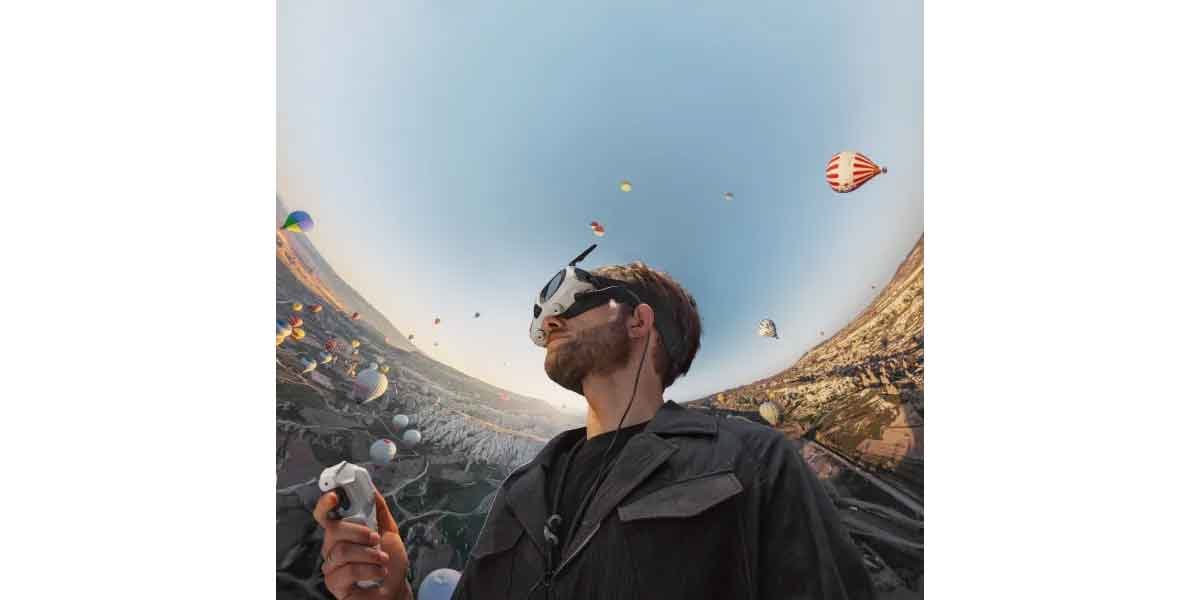
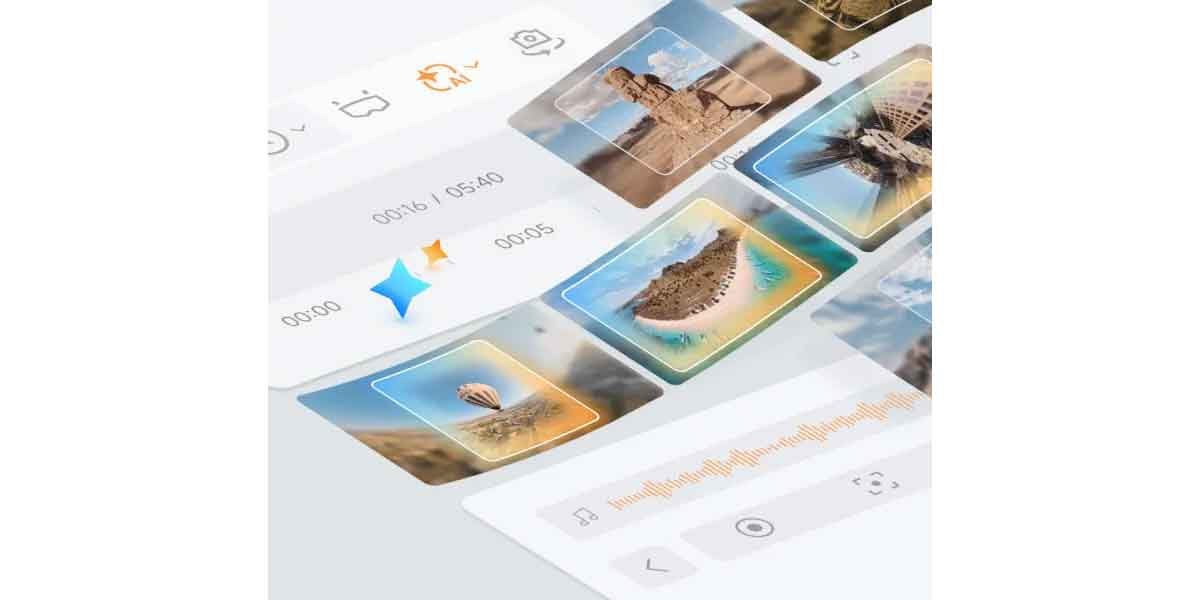
360° capture adds another layer of immersion because it records the full environment instead of locking you into one angle during flight. That expanded view lets you focus on safe flying and smooth movement first, then choose the most compelling perspective later in editing. Reframing after the flight is especially useful for fast-moving scenes, complex terrain, or shots where timing matters. You can create forward views, overhead angles, sweeping pans, or simulated camera turns from one continuous clip. This flexibility reduces missed moments and opens more creative options without repeating flights. For creators who want cinematic variety from a single take, 360° aerial capture offers a practical way to build richer, more dynamic storytelling.
How to Capture Immersive Drone Footage
Plan Camera Angles, Movement, and Flight Paths
Immersive filming begins with a clear shot plan. Before launch, decide what the viewer should feel and where their attention should go. Map a flight path that supports that goal, whether it is a slow approach to a landmark, a climb that reveals the surrounding landscape, or a follow shot behind a moving subject. Check obstacles, wind direction, lighting, and the path of the sun so the footage stays readable and smooth. Select a camera angle that matches the scene rather than tilting randomly during flight. Consistent movement feels more cinematic than constant correction. A planned route also improves safety, conserves battery, and helps you capture cleaner takes with less editing needed later.
Use Reveals, Orbits, Tracking, and Smooth Motion
Some of the most immersive drone shots rely on simple movement patterns executed with control. A reveal begins with a foreground object or low angle, then opens the frame to show a wider scene, creating surprise and scale. Orbits circle a subject to add depth and keep the background shifting in a visually engaging way. Tracking shots work well for roads, trails, boats, or people because they place the viewer inside the action. In every case, smooth motion matters more than speed. Fly gently, use gradual stick inputs, and avoid abrupt starts, stops, or yaw changes. The goal is to let the viewer move through the scene naturally, without being distracted by unstable camera movement.
Choosing a Drone for Immersive Filming
Camera Features That Matter for Creative Filming
When choosing a drone for immersive filming, prioritize camera features that improve both image quality and shooting flexibility. High-resolution video gives you room to crop and stabilize in post while keeping detail intact. Reliable gimbal stabilization is essential for smooth footage, especially during forward flight, descents, and turns. Look for strong low-light performance if you plan to shoot at sunrise, sunset, or in shaded environments. Adjustable frame rates help you switch between real-time motion and cleaner slow-motion sequences. Manual control over exposure, shutter speed, and white balance is also valuable because it keeps clips consistent across multiple shots. These features support creative decisions in the air and make editing far easier afterward.
When a 360° Drone Expands Creative Freedom
A 360° drone expands creative freedom when you want one flight to produce multiple framing options. Instead of committing to a single lens direction, you capture the entire scene and shape the final composition later. That makes it easier to create social clips, widescreen edits, vertical formats, and alternate camera moves from the same footage. It is especially useful for travel films, outdoor adventures, real estate views, and action sequences where repositioning for another take is inconvenient. A model designed for immersive capture can also help reduce pressure during flight because you can prioritize route and timing first. For creators who value flexibility in post-production, 360° capability is a meaningful advantage rather than a novelty.
Conclusion
A drone with camera becomes immersive when image quality, stabilization, movement, and composition work together to guide the viewer through a scene. Sharp footage alone is not enough. The strongest results come from deliberate flight paths, smooth control inputs, and camera choices that match the story you want to tell. Standard aerial cameras can produce cinematic reveals, orbits, and tracking shots, while 360° capture adds extra flexibility by letting you reframe after landing. If your goal is more engaging aerial video, focus first on planning and shot discipline, then choose camera features that support those habits. With the right technique, a drone can create footage that feels expansive, fluid, and intentional, turning simple locations into more memorable visual experiences for any audience.