There is no single replacement for Craigslist, because Craigslist was never a single site. It is eight loosely connected marketplaces sharing one domain, and the best alternative for a used couch has nothing in common with the best alternative for a job, an apartment, or a car.
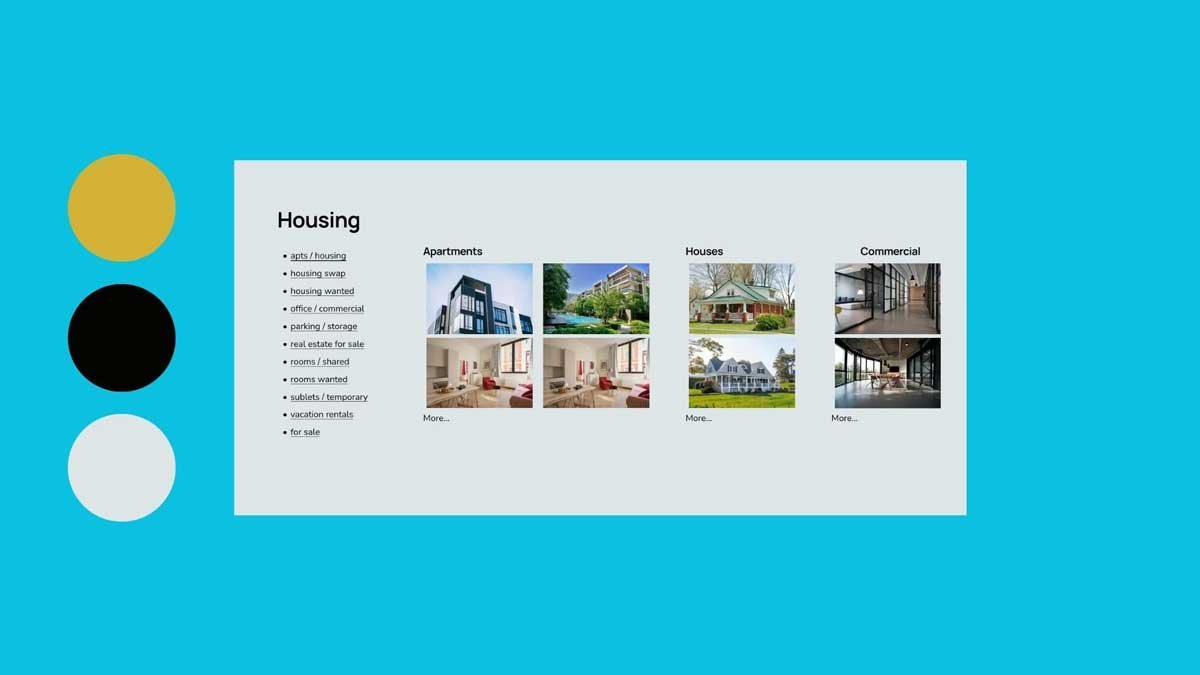
Most roundups of craigslist like sites make the same mistake, putting OfferUp, Poshmark, and a jobs board in a single ranking as though they were interchangeable. Sorted by category instead, the answers get obvious and mostly stop competing with each other.
Why No Single Site Replaced Craigslist
Craigslist’s real advantage was never its features, which have barely changed since the late nineties, but the fact that one URL covered furniture, rentals, hiring, dating, gigs, and lost cats for a specific metro area.
The internet unbundled that. Each category got a specialist that does one job far better than a text-only classifieds page ever did, with photos, verified identities, saved searches, and payment protection. What none of them replicate is the coverage.
So the honest framing is not which site replaced Craigslist.
It is which four or five craigslist like sites, between them, cover what one page used to.
For Buying and Selling Local Goods
This is the category most people actually mean, and it has a clear winner on volume plus several better options on everything else.
Facebook Marketplace has the deepest local inventory in nearly every US metro, and the reason is identity. Buyers and sellers have profiles with histories, which cuts the anonymous-scammer problem that defines Craigslist. The tradeoff is that you are trading under your real name, and Marketplace disputes have no meaningful arbitration.
OfferUp is the closest purpose-built equivalent, with in-app messaging, ratings, and shipping for smaller items. It skews toward electronics, furniture, and vehicles, and its community meetup spots at partner retail locations solve the where-do-we-meet problem that Craigslist left to chance.
Nextdoor is narrower and quieter, restricted to verified neighbors, which makes it the best option for large furniture that nobody wants to drive across a city for. VarageSale uses admin-moderated local groups, and Buy Nothing groups and Freecycle handle the give-it-away end that Craigslist’s free section used to own.
For Jobs and Gigs
Craigslist gigs still function for one-off local labor, but for anything resembling employment the specialist boards have both more listings and fewer fake ones.
Indeed and ZipRecruiter aggregate the widest range including hourly and trade work, and LinkedIn covers salaried and professional roles. For genuinely local shift work, Snagajob and the hiring tabs inside Facebook and Nextdoor reach the same neighborhood audience Craigslist did.
For freelance and project work, Upwork and Fiverr replaced what Craigslist’s computer and creative gigs sections used to be, with escrow that removes the single biggest risk of hiring a stranger from a classified ad.
For Housing and Rentals
Rental listings are the category where leaving Craigslist has the clearest safety payoff, because the classic fake-listing scam depends on an anonymous poster and a wire transfer.
Zillow, Apartments.com, HotPads, and Zumper all verify listings against property records to varying degrees and route applications through their own systems. For rooms and shared housing, SpareRoom and local Facebook groups are the practical successors to Craigslist’s roommate section.
One rule survives the platform change. Never send a deposit, an application fee, or a holding payment before seeing the unit in person and confirming the person showing it controls it. Any listing that requires money first is the same scam Craigslist was known for, wearing a nicer interface.
For Cars and Vehicles
Vehicle listings moved to specialists that carry history reports and financing, which is most of what a private-party classified ad could never provide.
Autotrader, CarGurus, and Cars.com dominate dealer and private-party sales, with CarGurus scoring listings against market value. Facebook Marketplace remains strong for cheap private-party cars, and Bring a Trailer is the enthusiast end for anything collectible.
For Pets, the Answer Is Not a Classifieds Site
Craigslist prohibits the sale of animals under its own prohibited-items policy, allowing only rehoming with a small fee, which is why that category never worked well there in the first place.
The right destinations are Petfinder and Adopt-a-Pet, which aggregate listings from shelters and rescues, plus your local shelter directly. Classified sites are where flipping, backyard breeding, and outright scams concentrate, because there is no vetting between a photo and a payment.
If you are rehoming rather than adopting, most shelters will take a courtesy listing without requiring surrender, which reaches an audience that has already been screened.
What Happened to Craigslist Personals
Craigslist took its personals section offline worldwide on March 22, 2018, removing casual encounters, missed connections, and the rest of the category in a single day with no phased shutdown.
The cause was federal legislation. FOSTA and SESTA amended Section 230 of the Communications Decency Act so that a platform could be held liable if it knowingly facilitated sex trafficking, and Craigslist decided the exposure was not worth the section. Gizmodo and The Register both covered the removal as it happened.
It never came back. The function scattered across mainstream dating apps and interest-based communities, and no classifieds site has rebuilt it, because the same law applies to all of them.
Is Craigslist Still Shady?
Craigslist is not more dangerous than it was, but the craigslist like sites competing with it got considerably safer, which changes the comparison even though the original has not gotten worse.
The structural issue is anonymity. Craigslist requires no verified identity, no rating history, and no payment rail, so a scammer costs nothing to create and leaves nothing behind. Every major alternative attaches listings to an account with a history, which does not eliminate fraud but makes it traceable and repeat offenders removable.
The practical habits are the same everywhere, and they matter more than which platform you picked. Meet in a public place, preferably one of the exchange zones many police departments now maintain in their own parking lots. Pay in person, in cash or through the platform’s own protected rail, and never by wire transfer, gift card, or a peer-to-peer payment app to someone you have not met face to face. Treat any story involving a shipping agent, an overpayment that needs refunding, or a relative collecting on the seller’s behalf as a scam, because in practice it always is. None of this is specific to Craigslist; it is simply what trading with strangers requires.
Outside the United States
Craigslist operates internationally but is dominant almost nowhere outside North America, so the local incumbent is usually the better answer.
Gumtree owns the UK and Australia, Kijiji owns Canada, Marktplaats the Netherlands, and Leboncoin France. Locanto runs a Craigslist-style general classifieds format across many countries and is the closest structural clone, though listing quality varies sharply by city.
Picking Your Set
Pick by category, not by ranking.
Facebook Marketplace or OfferUp for goods, Indeed or ZipRecruiter for work, Zillow or Apartments.com for housing, CarGurus for a vehicle, Petfinder for an animal. That set covers what one Craigslist page used to, and each piece does its own job better than the original ever did.
If what you are selling is handmade or vintage rather than secondhand, the economics are different enough to need a different set of platforms, which our guide to sites like Etsy covers in detail. For new mass-produced goods bought online rather than locally, our guide to apps like AliExpress maps that end of the market.
FAQ
Is there a better alternative to Craigslist?
For local goods, Facebook Marketplace has more inventory and verified identities, and OfferUp adds ratings and shipping. Neither covers everything Craigslist does, so most people end up using two or three category specialists instead of one general site.
Is there a website exactly like Craigslist?
Locanto is the closest structural clone, running the same free general-classifieds format across many countries. Oodle and Hoobly aggregate listings in a similar layout, though all three have far thinner local inventory than Craigslist in US metros.
Is Craigslist still shady?
Craigslist has not become more dangerous, but it still requires no verified identity, no ratings, and no protected payment, so scammers cost nothing to create and cannot be tracked. The alternatives tie listings to accounts with histories, which is the real difference.
What are Craigslist’s biggest competitors?
Facebook Marketplace is the largest by a wide margin, followed by OfferUp and Nextdoor for local goods. In individual categories the leaders are Indeed for jobs, Zillow and Apartments.com for housing, and CarGurus and Autotrader for vehicles.
What are sites like Craigslist for pets?
Petfinder and Adopt-a-Pet are the right destinations, since both aggregate listings from vetted shelters and rescues. Craigslist itself prohibits selling animals and permits only rehoming for a small fee, so classified sites were never a reliable route.