The costume party used to run on a small set of shared references. Everyone understood the vampire, the pirate, the nurse, the shop-bought superhero. You picked one, you wore it once, and it went in a bag in the cupboard.
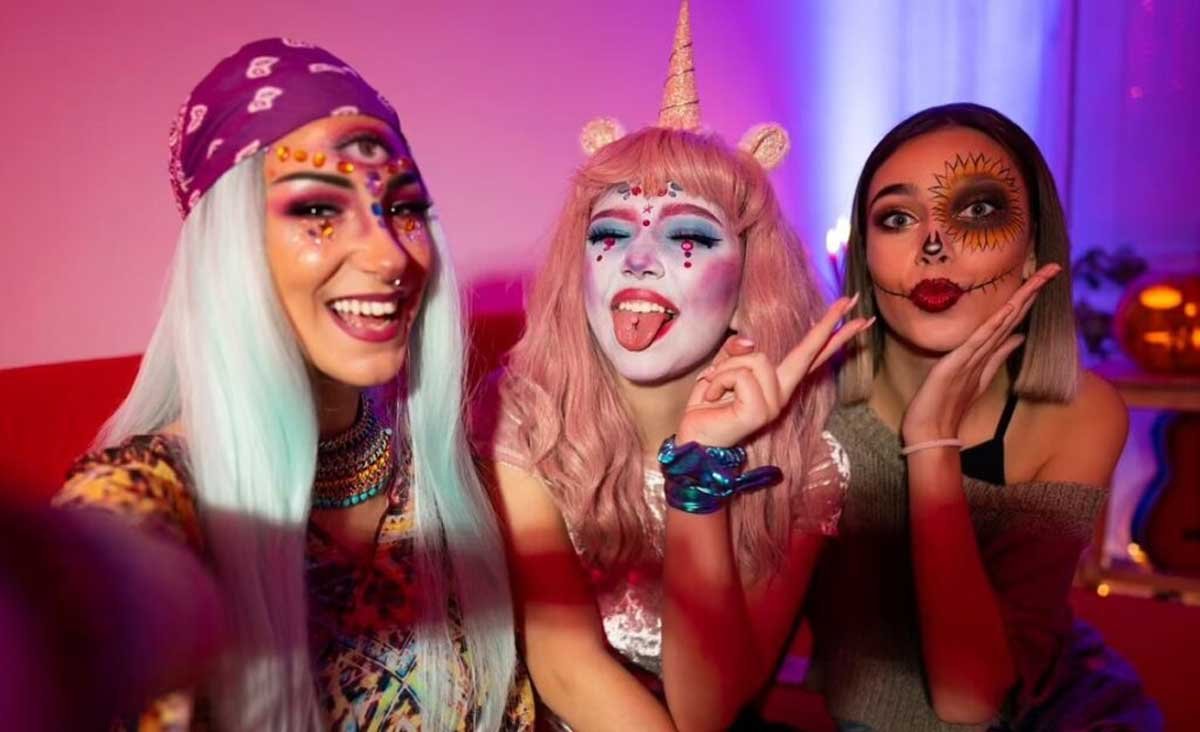
That model is quietly disappearing. Ask anyone hosting themed events for people under thirty and they will tell you the same thing: guests are arriving in costumes assembled with a level of care that the old shop-bought approach never involved, drawn from references half the room recognises instantly and the other half has to ask about.
Cosplay Went Mainstream and Took the Costume Party With It
The main driver is cosplay moving out of conventions and into ordinary social life. What was once a hobby practised by a dedicated community at specific events has become a general cultural competence. Millions of people now know how a costume is built, what makes one convincing, and where to source the components.
That knowledge does not switch off when the convention ends. It shows up at birthday parties, Halloween, themed club nights and university events, and it has raised the standard considerably. A costume that would have been perfectly acceptable a decade ago now reads as an afterthought next to guests who have thought about silhouette, layering and accessories.
The Reference Pool Exploded
The other change is what people are dressing as. The old costume canon was small and shared. The new one is enormous and fragmented, drawn from anime, games, internet subcultures and specific aesthetic movements that have names and conventions of their own.
This is why themed parties feel different now. A room might contain three anime references, two from games, one from a TikTok aesthetic and someone in an outfit that is not a character at all but a recognisable style. The shared cultural vocabulary has been replaced by dozens of smaller ones, and part of the fun is the explaining.
Aesthetic Costumes Rather Than Character Costumes
The most interesting development is that a growing share of costumes are not characters at all. Guests turn up embodying an aesthetic rather than a specific person: cottagecore, dark academia, kawaii, goth, or one of the gender-fluid style movements that have developed substantial followings online.
These are harder to assemble than a character costume and considerably more expressive, because there is no reference image to copy. You are interpreting a set of conventions rather than reproducing a look.
Retailers have responded to this. Ranges of femboy cosplay outfits and similar aesthetic-driven costume sets now exist specifically because people want coordinated pieces that read correctly within a subculture, rather than generic costume-shop approximations. The pieces tend to be genuinely wearable rather than single-use, which matters for a generation that is more cost-conscious and more sustainability-minded than the disposable costume model assumed.
What This Means If You Are Hosting
A few practical implications for anyone planning a themed event.
Set the theme broadly rather than narrowly. “Anime” or “your favourite aesthetic” produces more interesting results than a single specified character, because it lets guests bring their own references.
Give people notice. Assembled costumes take longer than bought ones, and the whole point of the shift is that people want time to put something together properly.
Expect a wide range of effort levels and do not make that awkward. Some guests will have spent weeks. Others will turn up in a hoodie with cat ears. Both are participating.
Build in photos. A significant part of the motivation for putting effort into a costume is documenting it, and hosts who plan for that get better costumes.
The Bigger Picture
The costume party has become less about disguise and more about self-presentation. People are not hiding behind a character so much as showing a side of themselves that ordinary clothes do not accommodate.
That is a more interesting party than the one where everyone bought a plastic mask on the way over.