A hair tattoo is a non-surgical, semi-permanent method for restoring the look of density in people with thinning or receding hair. This method is also known as scalp micropigmentation (SMP), and understanding the hair procedure can help you make informed decisions. Here are a few common misconceptions about SMP:
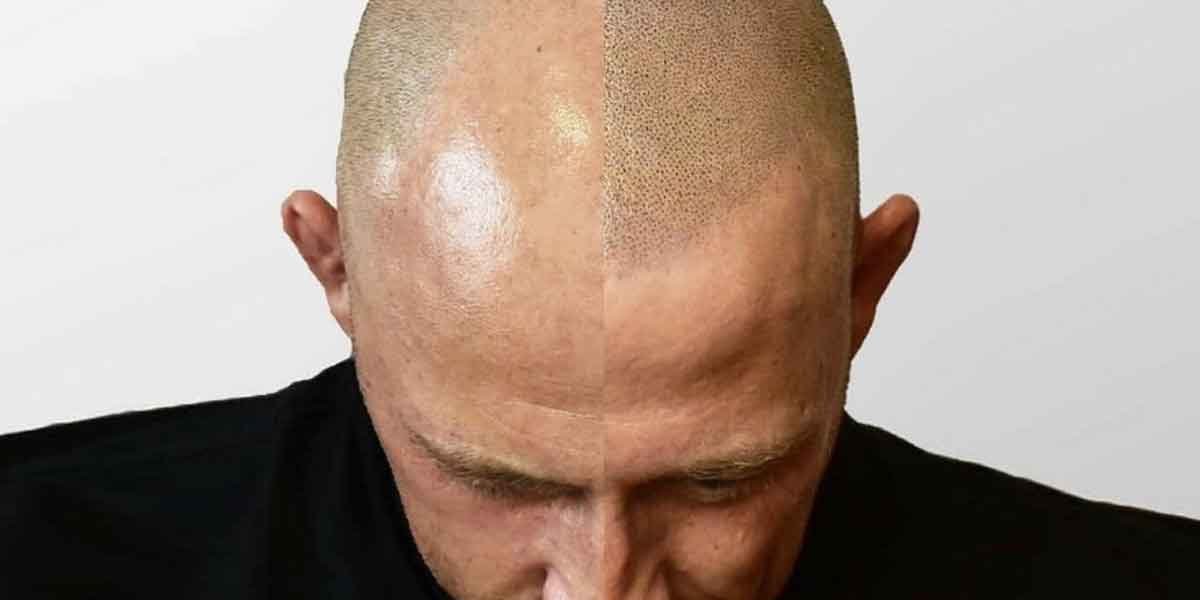
It Appears Unnatural
Some people may believe that tattoos seem artificial or unnatural. When SMP is performed by a trained professional, the specialist matches the tattoo with the area’s natural hair color and skin tone. The results are immediate and natural-looking; the color and shading blend seamlessly with existing hair or create the appearance of a closely shaved buzz cut.
Scalp micropigmentation creates the appearance of natural hair follicles on the surface of the scalp. Because pigment color, placement, and density matter, consulting an experienced SMP practitioner is key. SMP is long-lasting rather than permanent, so the look can be adjusted or will fade over time if it no longer feels necessary. Practitioners often refine the design across multiple sessions to offer a balanced, natural-looking result.
It Needs Constant Maintenance
Scalp micropigmentation has developed to require minimal ongoing maintenance. Touch-ups may occasionally be needed because pigments can fade naturally over time, but this happens infrequently. Compared with hairpieces, extensions, or other cosmetic hair substitutes, the overall upkeep is low.
You typically need to visit your practitioner only occasionally for touch-ups, which helps maintain the appearance you desire. Regular visits allow the pigment to remain consistent and make sure that the design continues to suit your hairline and scalp. A common misconception is that SMP locks you into a permanent hair color, but it is available in a variety of shades. This allows the newly applied pigment to blend with existing hair seamlessly.
Your SMP specialist will provide guidance on selecting shades that complement your current hair color. The procedure can be adjusted gradually over time to accommodate natural hair changes that occur with age. Some treatments are able to be modified slightly to mimic the subtle lightening or darkening of hair, helping the results stay natural as your hair grows or changes.
It Mirrors Traditional Tattoos
The pigments, equipment, and techniques used for a hair tattoo are specifically developed for scalp application and hair restoration, rather than for traditional body tattooing. Practitioners create natural-appearing hair follicle impressions by depositing pigment at a shallow depth within the skin. Over time, the pigment may gradually fade when exposed to sunlight, resulting in a softer, more natural lightening; this is unlike the blue or green discoloration sometimes seen in older permanent body tattoos.
It Suits Complete Baldness Only
SMP is suitable for individuals with partial hair loss and will effectively camouflage thinning areas, receding hairlines, and crown thinning. It may also reduce the visibility of certain scalp scars resulting from injury or prior hair transplant procedures. The procedure can be used alone or as a complementary treatment for individuals who have undergone, or are evaluating, hair transplantation, regardless of the extent or pattern of hair loss. SMP is an ideal option for those seeking a relatively quick, non-surgical approach to disguising hair loss; it is also beneficial for individuals who prefer not to pursue other treatments.
It Interferes With Other Hair Procedures
Scalp micropigmentation does not restrict future hair restoration options, including hair transplant surgery or the use of wigs for both women and men. The procedure can complement other hair loss solutions and may be used alongside hair transplantation; it enhances the visual appearance of scalp coverage and increases the perception of hair density. Because SMP deposits pigment at a shallow level within the skin, it does not penetrate deeply enough to interfere with hair follicles. It also does not affect their natural ability to regrow over time.
The goal of scalp tattooing is to create the visual effect of increased hair density rather than to replace existing hair. SMP does not interfere with hair transplant procedures, topical treatments, or prescribed medications. Discussing SMP with your technician and outlining your long-term hair restoration goals allows the procedure to be thoughtfully integrated into a comprehensive and personalized treatment plan.
Learn More About Hair Tattoos
When performed by a professional, scalp micropigmentation can be an effective non-surgical solution for hair loss. Artists will give you careful follow-up instructions to help you maintain your results for as long as possible. Learn more about the hair tattoo process today.