
Finding the cheapest way to build a fence is a top priority for many homeowners in 2026, especially as material costs for traditional cedar and vinyl continue to fluctuate. Whether you are looking to secure a backyard for a new puppy or create a privacy screen from a busy street, the good news is that affordable options still exist. By shifting your focus from pre-assembled retail panels to raw materials and upcycled sources, you can significantly reduce your total investment.
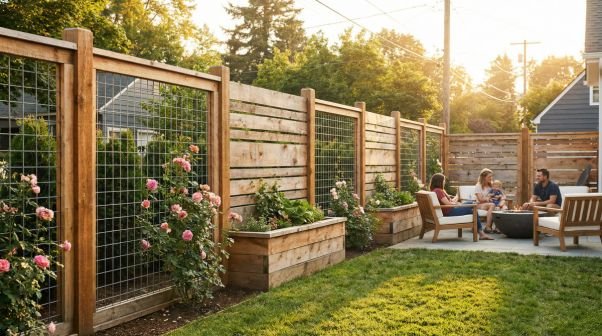
Building a functional and attractive boundary does not require a massive bank account, but it does demand a strategic approach to sourcing and installation. Many homeowners are surprised to learn that they can enclose an entire yard for under $5 per linear foot by utilizing reclaimed wood or basic galvanized wire. This guide will walk you through the most cost-effective materials available today and provide a roadmap for completing your DIY project without breaking the bank.
Calculating the Real Cost of DIY Fencing
The cheapest way to build a fence involves using reclaimed materials like pallets or low-cost wire mesh, with prices starting as low as $2 per linear foot. When factoring in hardware and concrete, a standard 100-foot DIY fence typically costs between $500 and $1,200 depending on the chosen material grade. This wide range exists because of the variable costs associated with fasteners, post-hole digging equipment, and the quality of the primary fencing material itself.
According to HomeGuide (2026), wire mesh and barbed wire remain the most affordable permanent options, often costing less than $5 per foot installed. For those willing to put in the manual labor of sourcing and prepping reclaimed wood, the material cost can even drop to zero, leaving only the expense of posts and concrete. However, for most residential applications, a combination of new pressure-treated pine and galvanized wire provides the best balance of cost and aesthetics.
| Material Type | Estimated Cost Per Linear Foot | Primary Benefit | Durability Rating |
|---|---|---|---|
| Reclaimed Pallets | $0 – $3 | Lowest absolute cost | 3 – 5 Years |
| Galvanized Wire Mesh | $2 – $5 | Quick installation | 10 – 15 Years |
| Barbed Wire | $3 – $6 | Maximum security | 20+ Years |
| Pressure-Treated Pine | $10 – $15 | Traditional look | 10 – 12 Years |
| Chain-Link | $10 – $20 | Low maintenance | 20+ Years |
Understanding these baseline costs is essential before starting any project. While a pallet fence may seem like the most frugal choice, it often requires more frequent repairs and a higher investment in high-quality exterior-grade screws to prevent the wood from warping. Conversely, a slightly more expensive chain-link or wire mesh fence can provide a decade of service with virtually no additional maintenance costs, making it a smarter long-term investment for many property owners.
Top 5 Most Affordable Fence Materials for 2026
For homeowners seeking the absolute lowest price, pallets and reclaimed wood are the premier choices, often costing only the price of fasteners. If new materials are required, galvanized chain-link and pressure-treated pine provide the best balance of durability and low upfront investment for residential boundaries. The following options represent the most cost-effective ways to secure a yard while maintaining a professional appearance.
Reclaimed Pallets and Upcycled Wood
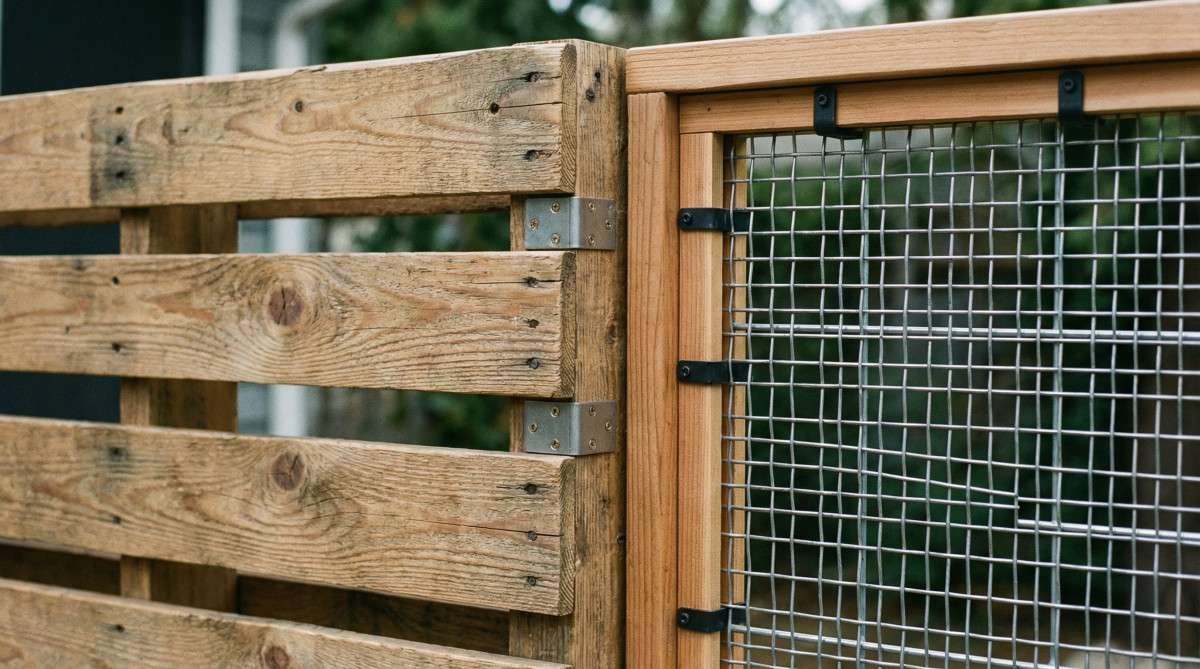
Using reclaimed pallets is often the most affordable path to a functional fence, as many businesses are eager to give them away to anyone willing to haul them. To ensure safety and longevity, only use pallets stamped with “HT” (heat-treated) rather than “MB” (methyl bromide) to avoid chemical exposure. While this method requires significant labor to disassemble and prep the wood, it can reduce material costs to virtually zero.
Galvanized Chain-Link and Wire Mesh
Galvanized chain-link and wire mesh are the workhorses of budget fencing, offering incredible durability for a low price per linear foot. According to Bob Vila (2025), these materials are among the most frugal ways to enclose a property, especially for large areas where wood or vinyl would be cost-prohibitive. For a more modern aesthetic, many DIYers are now combining black-coated wire mesh with pressure-treated pine frames to create a “hog wire” look that mimics expensive custom designs.
Pressure-Treated Pine and Split Rail
Pressure-treated pine is the most budget-friendly choice for a traditional solid wood fence, costing significantly less than cedar or redwood. Split rail fencing is another classic option that uses minimal material to define a boundary, making it ideal for larger rural properties. While pine requires regular staining to prevent rot, its low upfront cost makes it the go-to material for homeowners who want the look of a traditional wood fence without the premium price tag.
Hidden Costs and Long-Term Maintenance ROI
While initial material costs are low, “cheap” fences often carry hidden expenses in specialized tools, heavy-duty fasteners, and frequent maintenance. Investing an extra $1 per foot in high-quality galvanized screws or UV-resistant stains can double the lifespan of a budget fence, significantly improving its long-term return on investment. The key to a truly affordable fence is avoiding the trap of buying low-grade materials that will need replacement in just a few short years.
According to Fixr (2025), a cheap pine fence can cost as much as a cedar fence over a 10-year period when you account for the necessary staining and repair costs. For this reason, many budget-conscious DIYers are now opting for galvanized wire or composite materials that offer a higher upfront cost but zero maintenance. Understanding the maintenance multiplier is crucial for anyone trying to build a fence on a budget without sacrificing long-term value.
| Maintenance Factor | Cheap Wood Fence (10 Years) | Wire Mesh Fence (10 Years) |
|---|---|---|
| Initial Cost | $1,200 | $800 |
| Staining/Sealing | $600 | $0 |
| Hardware Replacement | $200 | $50 |
| Total 10-Year Cost | $2,000 | $850 |
The maintenance multiplier for a budget wood fence can be as high as 1.5 times the initial material cost, which often catches first-time homeowners off guard. To maximize your ROI, prioritize high-quality fasteners and proper post-setting techniques, as these are the most common points of failure for inexpensive fences. A well-built fence using slightly better materials will always be cheaper in the long run than a poorly constructed one using the absolute lowest-cost components.
Essential Tips for Sourcing Free Fencing Supplies
Sourcing free supplies requires proactive networking through digital marketplaces like Facebook Marketplace and physical locations such as construction sites or local nurseries. Many businesses pay to dispose of pallets and old fencing, making them eager to give these materials away to anyone willing to haul them away. By focusing on these unconventional sources, you can find high-quality wood and wire that would otherwise end up in a landfill.
According to a study by the National Wood Pallet and Container Association (2025), over 500 million pallets are in circulation at any given time, many of which are discarded after a single use. This represents a massive opportunity for budget-conscious homeowners to source free materials for their fencing projects. The following sourcing script can help you approach local fence companies and nurseries to inquire about their discarded materials.
| Sourcing Channel | Best Time to Inquire | Typical Materials Found |
|---|---|---|
| Facebook Marketplace | Weekends | Leftover project wood, used panels |
| Local Nurseries | Spring/Fall | Pallets, landscape timbers |
| Construction Sites | Mid-week | Scrap wood, temporary fencing |
| Fence Companies | Anytime | Used pickets, old posts |
When calling local fence companies, it is helpful to use a professional and direct approach. You might say: “Hello, I am a local homeowner looking to upcycle some old fencing materials for a small DIY project. Do you have any used pickets or posts that you are planning to dispose of this week that I could come and haul away for you?” This simple inquiry can often lead to a free source of high-quality cedar or pine that just needs a little sanding and a fresh coat of stain to look like new.
Frequently Asked Questions
What is the absolute cheapest fence to build?
The absolute cheapest fence to build is a reclaimed pallet fence, which can cost as little as $2 per linear foot for the price of fasteners and concrete. If you are looking for new materials, a galvanized wire mesh fence is the most affordable permanent option for residential boundaries.
Is it cheaper to build a fence or buy panels?
It is significantly cheaper to build a fence from scratch using raw materials like individual pickets and rails than to buy pre-assembled retail panels. While panels save time, they often cost 30% to 50% more per linear foot and are generally made from lower-grade wood.
How do I make a cheap fence look expensive?
You can make a cheap fence look expensive by using high-quality exterior stain, adding a decorative top rail, or combining low-cost materials like wire mesh with a well-built wooden frame. Uniformity in construction and professional-grade fasteners also contribute to a high-end appearance.
Do I need a permit for a pallet fence?
Yes, you typically need a permit for any fence over a certain height, regardless of the materials used. Check with your local zoning office or homeowner’s association to ensure that pallet fencing is allowed in your neighborhood and to determine if any height restrictions apply.
Is chain-link cheaper than wood in 2026?
Yes, galvanized chain-link remains cheaper than most wood fencing in 2026, especially when you account for the long-term maintenance costs of wood. While pressure-treated pine has a lower upfront cost, chain-link offers a better overall value due to its 20+ year lifespan.
What is the easiest fence to install by yourself?
The easiest fence to install by yourself is a pre-rolled wire mesh or snow fence, as it requires the fewest posts and minimal specialized tools. For a more permanent solution, a split rail fence is also relatively easy for DIYers because it does not require complex joinery or heavy-duty fasteners.
Conclusion
Building a functional and attractive boundary does not require a massive bank account, but it does demand a strategic approach to sourcing and installation. Whether you choose to upcycle pallets, install a durable chain-link fence, or build a traditional pine boundary, the key to success is careful planning and a focus on long-term value. By following the tips and strategies outlined in this guide, you can save thousands of dollars on your next fencing project while still achieving a professional-looking result.
You Might Also Like...
 The Complete Guide to Smart Thermostat Installation for Homeowners
 Advanced Debris Solutions for Fulfillment Hubs: Improve Workflow and Strengthen Sustainability
 The Ultimate Pool Maintenance Guide: 2026 Expert Tips for Crystal Clear Water
 Pappedeckel: The Sustainable Cardboard Lid Revolutionizing Global Packaging
