Using your style to say something about yourself will become easier once you establish what that something is, and the key elements of communicating that through your appearance. What often takes longer is extending that aesthetic beyond your body and into your very self.
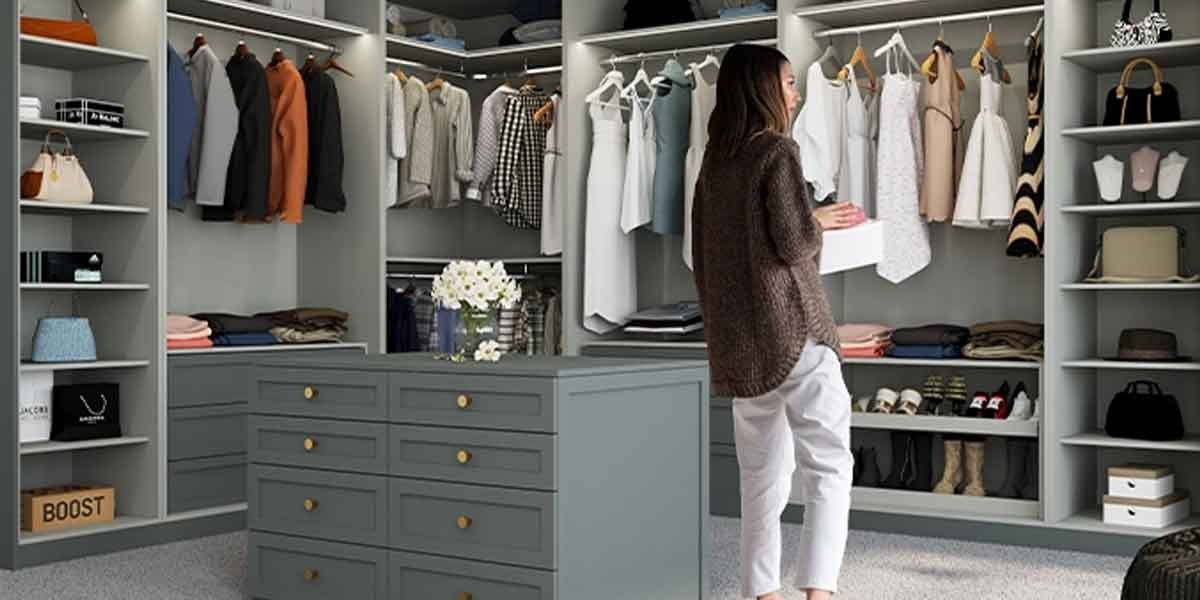
Your Home Is Your Largest Outfit
Many people spend time curating the clothes they wear, only to neglect the aesthetic of their living environment. Think about it, the colors and textures that you’re drawn to in fashion might not be reflected in your home. But they easily could be. Those same earthy terracottas and mustard yellows that fill your wardrobe could seep into your everyday life through your drinking glasses, your scatter cushions, your bedroom walls.
Become aware of the colors and materials you’re drawn to when choosing an outfit. Are you subconsciously styling yourself in shades of blue and a lot of seersucker, making mental notes of silhouettes, hues, and textures of garments you feel best in, reach for most regularly (whether that’s a tan silk skirt because you refuse to wear pants on a hot summer’s day or a chunky mustard turtleneck), the feel of the fabrics and the colors that make your eyes light up? If there’s a clear theme – slim-fit, dark linen shirts, with an ochre wool coat to bring it all together – you can easily extend that vibe to your bedroom with a fresh set of linen bedsheets in the same color, and maybe even the same dried-flower arrangement. And voila, your environment suddenly feels more you.
The Objects You Use Every Day Deserve Curation Too
Some purchases are made without much thought: stationery, kitchenware, tech accessories. These are the objects you have most contact with, and they gradually shape the feel of your surroundings.
Opting for a matte black travel mug in place of the one that happened to be lying around, or trading a flimsy disposable pen for something that actually feels good to write with – these aren’t little luxuries. They’re slight modifications that help your space feel purposeful rather than thrown together.
There’s interesting evidence to suggest that the things we handle affect our state of mind just like clothing. A workspace that’s been personalized doesn’t just look more appealing. It can alter your attitude while you’re in it.
Personalizing The Things People Actually Notice
There’s a difference between ambient style (your home, your desk setup) and projected style (what others encounter when they interact with you). Both matter, but the second one gets less attention.
Customization is the practical tool here. Mass-produced objects are designed to appeal to the broadest possible audience, which means they appeal to no one in particular. Modifying them to fit your identity is how you convert a generic item into a signature one.
Vehicles are an obvious example. Most people accept whatever their car looks like from the factory as if it’s fixed. It isn’t. Private plates are one of the more direct ways to replace a random factory-assigned identifier with something that ties back to your name, your brand, or your aesthetic – the kind of detail that signals intention rather than indifference.
The same principle applies to tech. A custom phone case, a laptop skin in a specific material finish, even a distinctive screensaver – these are small moves that compound into a recognizable visual identity.
Digital Spaces Count
The home screen on your phone and your desktop are the two things you look at more than anything else in your digital life. They are also the two biggest black holes of personal style and taste in the mainstream. Everyone’s smartphone looks exactly the same: a hodge-podge grid of apps in different gradients and colors, spread out over some background image that comes loaded onto the phone.
Treating your digital life with the same care and attention you would treat your closet or your coffee table is not perfectionism. It’s having a style. It’s choosing one image as a wallpaper that fits in with your color motif. It’s choosing to slide one neutral folder open instead of seeing twenty clashing, primary-colored icons staring back at you from the screen. And the reward is a device that feels like yours instead of a gadget that you felt like you were borrowing.
Ritual As Aesthetic Expression
The way you do things speaks as much as what you possess. Your morning routine to prepare coffee, how you set the table for guests arriving, the playlist you choose for work, all of these throw light on your aesthetic habits.
Lifestyle design is all about reaching the decisions on how you want to spend your time just in the same way as you would make a choice about what to wear. If your visual appearance is composed and you give it thought, however, your mornings are out of control and your table is cluttered with unopened letters, you are maintaining a distance amidst the image you are creating, and the life you are actually leading.
Bridging this gap, style goes beyond the aesthetics of the surface. It is no longer about making an impression on others but rather becomes a structure on how you wish to lead your day. Most people will start off with the wardrobe. There is no restriction to it.