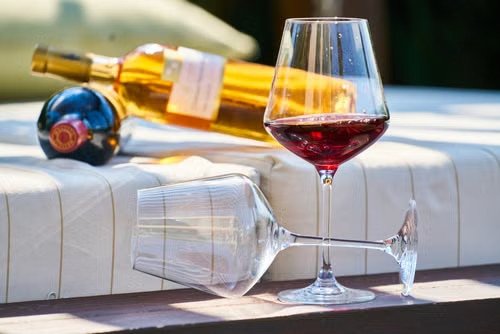
Wine has a funny way of turning an ordinary evening into something that feels a little more memorable. You do not need a formal dinner, expensive glassware, or years of tasting experience to enjoy it either. Some of the most satisfying food and wine moments happen at home with simple recipes, familiar ingredients, and bottles that bring something unexpected to the table.
Fruit wines have become especially popular with people who want flavors that are approachable and versatile. Their natural sweetness, vibrant aromas, and refreshing character make them easy to pair with everything from casual lunches to weekend desserts. Learning how to match them with food can help you discover combinations you may never have considered before.
Discovering the Charm of Blueberry-Flavored Wines
If you enjoy trying unique fruit wines, Old Mountain Wine Company offers handcrafted wines inspired by Tennessee’s mountain heritage, including meads and fruit-forward varieties made and bottled near the Great Smoky Mountains. Their tasting experience gives visitors the chance to sample distinctive flavors before choosing a favorite.
One standout option is blueberry honey wine, which blends ripe blueberry flavors with the smooth sweetness of traditional honey-based mead. The result is a balanced drink that feels rich without becoming overpowering, making it surprisingly versatile alongside both savory dishes and desserts.
The combination of fruit and honey creates layers of flavor that continue developing as the wine warms slightly in the glass. You might notice fresh berry notes at first, followed by floral hints from the honey and a soft finish that lingers pleasantly.
Pair Cheese Before You Plan the Main Course
Many people think about the main entrée first when serving wine, but building a meal around cheese often creates better pairings.
Creamy cheeses such as Brie or Camembert balance the fruity sweetness of many berry wines beautifully. Goat cheese provides a pleasant contrast thanks to its tangy character, while aged cheddar introduces enough richness to complement honey-based wines.
For casual gatherings, arrange a simple board with:
- Fresh blueberries
- Toasted almonds
- Honey-roasted pecans
- Mild crackers
- Soft cheeses
- Thin slices of cured meat
The variety allows everyone to experiment with different combinations while naturally discovering which flavors work best together.
Bring Fresh Ingredients Into Every Pairing
Seasonal produce often creates the easiest wine pairings because fresh ingredients allow fruit wines to remain the highlight rather than competing for attention.
Summer salads featuring spinach, mixed greens, strawberries, blueberries, walnuts, and goat cheese create refreshing combinations with lighter fruit wines. A citrus vinaigrette helps brighten every bite without overwhelming the wine’s natural sweetness.
Roasted vegetables also deserve attention. Honey-glazed carrots, roasted sweet potatoes, butternut squash, and caramelized onions develop natural sugars during cooking, making them excellent companions for berry-forward wines.
Even grilled peaches or roasted pears become elegant additions to a meal with almost no extra effort.
Think Beyond Traditional Dessert Pairings
Fruit wines naturally fit desserts, but they do not have to be limited to chocolate cake or cheesecake.
Blueberry cobbler creates an obvious pairing, yet many lighter desserts work equally well. Vanilla panna cotta, lemon shortbread, almond biscotti, or simple pound cake allow the wine to contribute much of the sweetness.
Frozen desserts also work surprisingly well. A scoop of vanilla bean ice cream with fresh berries creates a refreshing finish that lets the wine remain the centerpiece rather than simply another sweet element.
Keeping desserts relatively simple often produces the most balanced experience.
Cook With Wine Instead of Only Drinking It
Wine can become part of the recipe itself.
Fruit wines work well in reductions that glaze roasted chicken or pork tenderloin. A small amount simmered with butter, herbs, garlic, and shallots creates a flavorful sauce without requiring complicated techniques.
Berry wines also add character to homemade vinaigrettes. Mixing a splash with olive oil, Dijon mustard, honey, and fresh herbs produces a dressing that works beautifully with spinach salads.
For entertaining, try poaching pears in fruit wine with cinnamon sticks and orange peel. The finished dessert looks impressive despite requiring very little hands-on work.
Match the Occasion Instead of Following Rules
People often become intimidated by food and wine because they believe every pairing must follow strict guidelines.
The reality is much simpler.
A relaxed movie night calls for different choices than a holiday dinner. Backyard cookouts invite lighter foods, while cozy winter evenings often suit richer meals.
Instead of memorizing complicated pairing charts, ask yourself one question:
What kind of experience do you want?
If the answer is relaxed, choose foods that are equally approachable. Pizza, flatbreads, grilled sandwiches, and charcuterie all pair surprisingly well with many fruit wines because they leave room for the wine’s personality to shine.
Sometimes the best pairing is simply the one everyone enjoys most.
Create Memorable Tasting Nights at Home
Hosting a wine tasting sounds complicated until you realize how little preparation is actually required.
Choose three or four different wines, prepare several small food samples, and let guests experiment with combinations.
Include items such as:
- Fresh fruit
- Dark chocolate
- Nuts
- Mild cheeses
- Smoked meats
- Artisan bread
- Honey
- Fruit preserves
Encourage everyone to compare how each food changes the wine’s flavor.
Conversations naturally become more interesting because every person notices something different. One guest may detect floral notes, while another focuses entirely on the fruit.
There are no wrong answers.
That relaxed atmosphere often becomes the highlight of the evening.
Let Personal Taste Guide Every Choice
Experts can certainly offer useful recommendations, but your own preferences matter more than any tasting guide.
Some people enjoy sweeter wines with spicy foods because the sweetness softens the heat. Others prefer fruit wines alongside brunch instead of dinner. There is plenty of room for experimentation.
Keeping notes on combinations you enjoy helps build confidence over time. You may discover that a certain berry wine works wonderfully with grilled salmon, homemade barbecue, or even breakfast pastries.
Those personal discoveries are often far more rewarding than following traditional pairing rules.
Food and wine should make meals more enjoyable, not more complicated. Whether you are sharing dinner with friends, celebrating a special occasion, or simply relaxing after a long day, thoughtful pairings can elevate familiar dishes without adding stress. Sometimes all it takes is one interesting bottle, a few fresh ingredients, and a willingness to try something new.