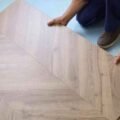
For a long time, people considered hardwood to be the best type of flooring you could install in a home. It was the “aspirational” choice, meant to impress others and raise your home’s value. However, as technology has advanced, and new materials and flooring types have been developed, we’ve realized that there are a lot of other great options out there.
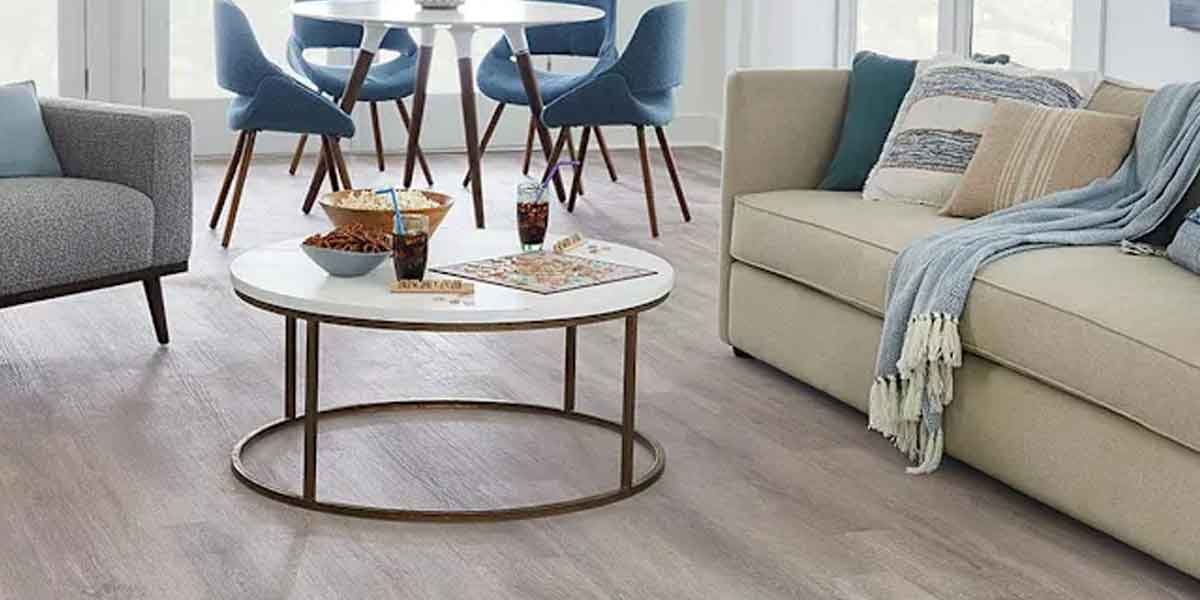
The Outdated Case Against Vinyl
The term “vinyl” may not have the best connotation in your mind. You might think about the old-fashioned linoleum from your grandmother’s kitchen that curled at the edges and peeled in spots (and the lovely marigold floral pattern, making it impossible to sweep under the rug). That stuff is all but gone now; it’s like comparing a beeper to an iPhone. Same category, different product.
The big change was in the core. New SPC and WPC construction eliminated the wimpy substrates of yore and replaced them with a shape-holding base that’s virtually resistant against denting (great for that kitchen table and chairs) and pretty much unfazed by extreme temperature changes. The SPC core in particular is made so densely that it can even be installed in a business setting with light commercial traffic. It doesn’t just “work” there, it actually holds up.
Why Waterproof is a Bigger Deal Than it Sounds
Most types of flooring have a room that’s off-limits. Hardwood and moisture don’t mix, meaning no solid wood floor in the bathroom, or rooms below grade like basements. For three-season porches, you typically want a floor that doesn’t show damage if exposed to water for long periods. That’s also the case with laundry rooms. Mudrooms, too, need a space that won’t be damaged by wet or dirty boots.
The waterproof construction of top synthetic flooring handles moisture in a way solid hardwood and fancy vinyl only dream of. Luxury Vinyl opens up all sorts of design possibilities, especially since these functional rooms are often in locations where the flooring has to meet other flooring without a transition.
What the Wear Layer Number Actually Means
Many synthetic flooring advertisements focus on mil thickness, but fail to provide the reasoning behind its importance. The wear layer, which is a transparent top coat layer that covers the printed design layer, is what is exposed to the wear and tear of daily foot traffic, pet claws, and furniture.
12 mil works well for low-traffic areas. For rooms with pets, children, or frequent guests, you should consider 20 mil as the baseline. There are commercial-grade options with 28 or even 40 mil, which generally exceed what you’d practically need in a home, but it provides the ideal mid-range protection without overdoing it.
Manufacturers have recently made impressive enhancements on the texture of the wear layer as well. With Embossed-in-Register (EIR) production, the surface grain is synchronized with the printed wood or stone design, which makes it visually and texturally more realistic. If you rub your fingers across a high-quality plank, the texture should match the pattern. This wasn’t the case with earlier versions of these products.
Longevity and the Real Math of Remodeling
When making remodeling decisions, upfront costs are often compared while lifecycle costs are overlooked. Hardwood flooring needs to be sanded and refinished every 7 to 10 years on average, depending on the type of finish and amount of wear and tear. This is not an expense you pay just once; it’s a continual expense that adds up over time.
High-quality vinyl flooring typically lasts 25 to 30 years, nearly double the lifespan of traditional laminate (National Association of Home Builders). This puts things into perspective when you consider what your yearly cost actually is over the course of your renovation. When you take into account you won’t need to refinish your vinyl floors, and that floating floors are less expensive to install, the numbers are suddenly a lot more appealing.
Indoor Air Quality and the Shift Toward Certified Materials
One aspect about flooring that is rarely discussed is what kind of emissions the material will release into your home’s air as time goes by. VOC emissions from flooring adhesives, finishes, and core materials are a major health consideration, especially in homes with windows shut for long seasons.
Today, the increase in FloorScore® certified products means there’s an independently verified benchmark for low chemical emissions in resilient flooring. Another characteristic to look for when comparing products is whether they are made without phthalates. These are the plasticizers that were present in older vinyl products and that’s a pretty solid indication about what you’re bringing into your home. Radiant heating compatibility is one of those things that you really would rather know before installation if your home has or will be adding in-floor heating. The vast majority of decent SPC and WPC products are radiant heating compatible, but the specifics on how much they can expand vary.
The decision to take a pass on hardwood doesn’t also have to mean compromise. If durability, resistance to water, and a low-maintenance finish are as important to you as good looks, synthetic rigid-core flooring hits every one of those needs, and it does so without the long list of maintenance requirements that natural materials come with.